
When you evaluate procurement strategies for large-scale installations across Arizona, you face a fundamental decision that affects everything from project timelines to long-term material consistency. Working with a paving slab supplier Arizona professionals trust means choosing between consolidated single-source partnerships and multi-vendor networks. Your choice determines warehouse coordination complexity, quality control protocols, and ultimately project success rates.
The decision isn’t just about initial material costs. You need to account for hidden expenses in vendor management overhead, delivery coordination across multiple warehouses, and the compounding risk of specification mismatches when materials arrive from different sources. Professional specifiers understand that procurement architecture affects installation timelines, quality consistency, and total project costs in ways that don’t appear on initial bid comparisons.
Procurement Architecture Fundamentals
Your procurement strategy creates the operational framework for material flow, quality verification, and schedule reliability. When you consolidate sourcing through a single supplier vs multiple dealers approach, you’re making structural decisions about risk distribution and coordination overhead.
Single-source procurement concentrates your relationship capital with one paving slab supplier Arizona operations can scale through. You eliminate redundant communication channels, standardize quality expectations, and create accountability clarity. The trade-off appears in dependency risk—your entire material supply chain relies on one organization’s operational capacity and warehouse inventory depth.
Multi-vendor strategies distribute risk across several suppliers but multiply coordination complexity exponentially. You’ll manage separate communication protocols, reconcile varying quality standards, and coordinate truck deliveries from multiple warehouses operating on different schedules. This approach provides supply redundancy but increases project management overhead by 40-60% in typical scenarios.
Single-Source Operational Advantages
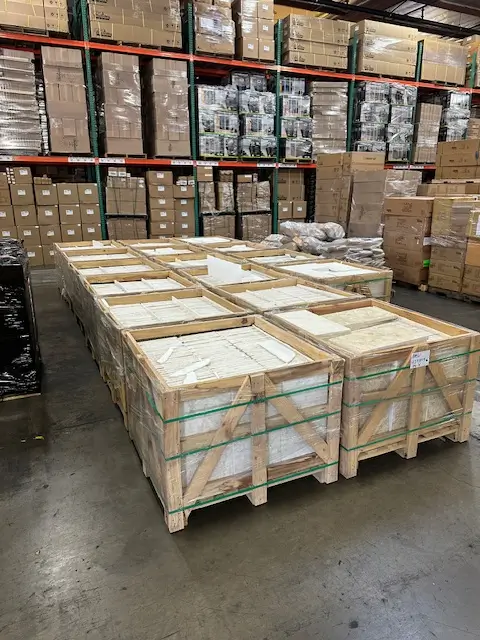
Working with a dedicated one stop paving supplier Phoenix contractors prefer consolidates your procurement complexity into a single relationship structure. You develop institutional knowledge with one team, establish consistent communication protocols, and create leverage through volume concentration.
Material consistency becomes manageable when you source from one production facility or warehouse network. Color lot matching, dimensional tolerances, and surface finish characteristics remain consistent across shipments. This matters critically in phased projects where you need material continuity across installations separated by months or years.
Your coordination overhead drops significantly with single-source procurement. One phone call resolves delivery scheduling instead of three or four. You track one purchase order system instead of multiple vendor portals. When issues arise—and they will—you have one point of accountability rather than finger-pointing between multiple suppliers claiming the other’s material caused the problem.
For comprehensive material options in university district applications, see Tempe university area paving slabs for technical specifications and installation protocols. Volume leverage provides negotiating power that fragmented purchasing can’t match. Your annual spend concentration with one paving slab supplier Arizona specifications demand creates partnership value that translates to preferential pricing, priority warehouse allocation during high-demand periods, and flexibility when you need expedited truck deliveries.
Multi-Vendor Risk Distribution
Distributing sourcing across multiple suppliers creates supply chain redundancy that protects against single-source failures. When one vendor experiences warehouse inventory shortages or operational disruptions, you maintain material flow through alternate channels.
This redundancy comes at a cost. You’ll invest more time in vendor qualification, maintain relationships with multiple sales teams, and coordinate delivery logistics across different operational systems. Each additional vendor adds communication overhead and increases the probability of specification mismatches.
Quality consistency becomes harder to control with multiple sources. Even when you specify identical material standards, subtle variations in production lots, storage conditions, and handling practices create visible differences in finished installations. You might encounter color variations, dimensional tolerance differences, or surface finish inconsistencies that weren’t apparent in sample approvals.
The paving vendor management Arizona projects require intensifies with each additional supplier relationship. You need separate quality verification protocols for each vendor, individual payment and accounting processes, and distinct communication channels for technical support. What seems like risk mitigation often becomes project management burden that outweighs the theoretical supply security benefits.
Quality Control Complexity
Your quality verification protocols multiply in complexity when you work with multiple vendors. Each supplier operates under different internal standards, handles materials through separate warehouse facilities, and interprets specifications through their own quality frameworks.
- You need to establish baseline quality expectations with each vendor independently
- Sample approvals must cover all potential supply sources to verify consistency
- Field verification becomes critical when materials from different vendors appear on the same installation
- Rejection and return protocols vary by vendor, complicating non-conformance management
Single-source procurement simplifies quality control to one set of standards, one approval process, and one accountability structure. When quality issues emerge, you have clear recourse without the complexity of determining which vendor supplied the non-conforming material.
Delivery Coordination Logistics
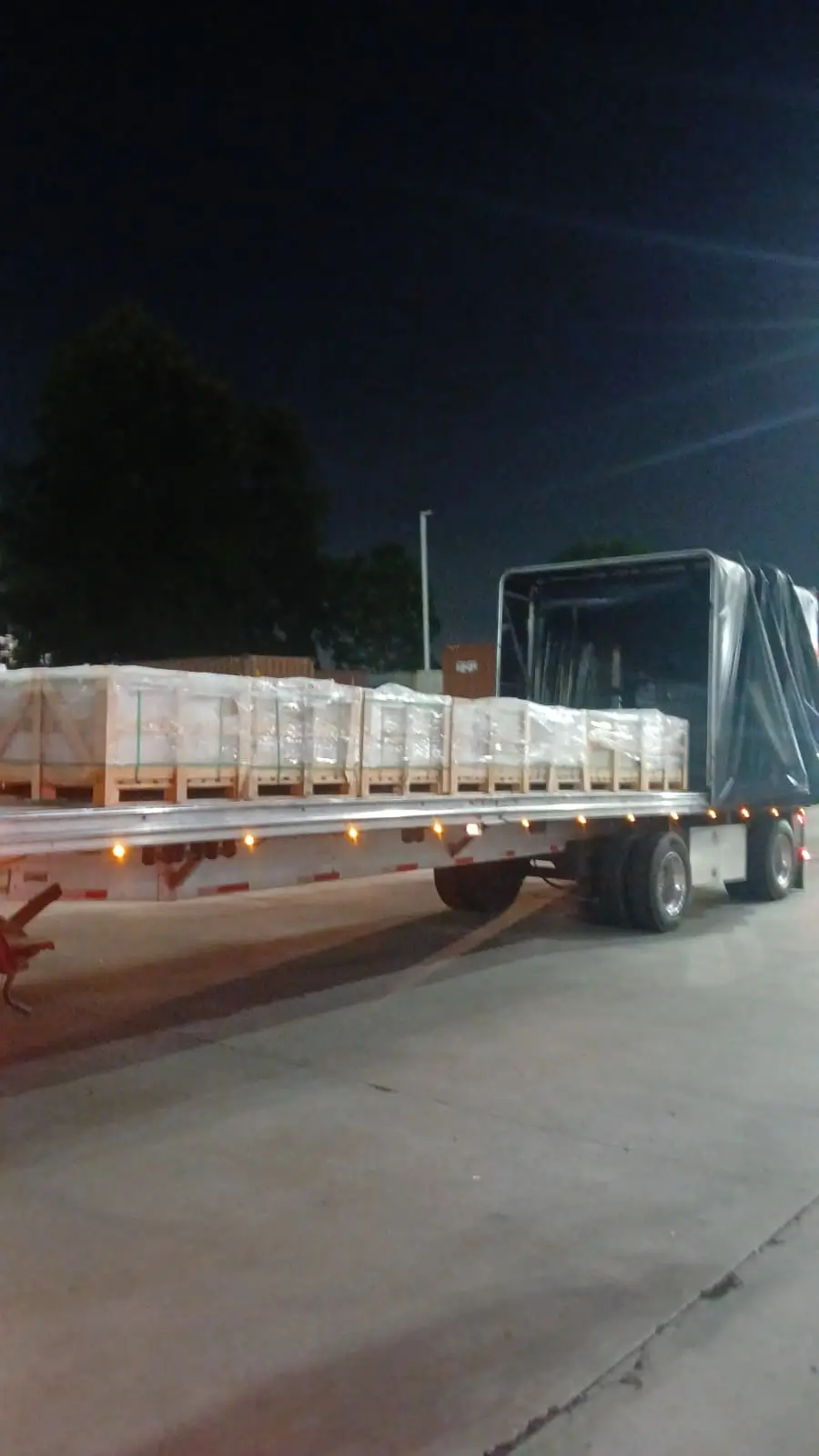
Truck scheduling complexity increases exponentially with multiple vendors. Each supplier operates separate delivery fleets, maintains different lead time requirements, and uses distinct warehouse dispatch systems. Your job site access windows must accommodate multiple delivery schedules that rarely align efficiently.
When you consolidate through a paving slab supplier Arizona contractors depend on for single-source supply, you coordinate one delivery schedule. Your staging area requirements remain consistent, truck access patterns become predictable, and delivery timing aligns with installation crew availability without the coordination overhead of synchronizing multiple vendors.
Multi-vendor logistics create compounding challenges. You might receive partial shipments from one warehouse while waiting for complementary materials from another supplier, creating staging complications and potential installation delays. Coordinating truck deliveries to avoid site congestion while ensuring material availability requires project management bandwidth that single-source procurement eliminates.
Cost Structure Analysis
Initial material pricing rarely reflects total procurement costs. When you evaluate the best paving procurement approach for your projects, you need to account for hidden expenses in vendor management, quality control, and logistics coordination.
Single-source pricing often appears higher on initial bid comparisons because you’re evaluating delivered cost from one vendor against cherry-picked low bids from multiple suppliers on specific line items. This comparison ignores the overhead costs of managing multiple relationships, coordinating separate deliveries, and reconciling quality variations.
- Your procurement team spends 40-60% more time managing multiple vendor relationships
- Quality control inspection requirements increase proportionally with each additional supplier
- Delivery coordination overhead adds 15-25% to project management costs
- Specification mismatch risk creates potential rework expenses that dwarf initial material savings
Volume consolidation with one supplier creates leverage that fragmented purchasing can’t achieve. Your total annual spend concentration provides negotiating power for preferential pricing, priority warehouse allocation, and flexible payment terms that offset apparent per-unit cost differences.
Specification Consistency Management
Maintaining specification consistency across multiple vendors requires rigorous documentation and verification protocols. Even when suppliers claim to provide identical materials, variations in sourcing, production methods, and quality standards create differences that become visible in completed installations.
You need to verify that dimensional tolerances, surface finish characteristics, color consistency, and performance specifications align across all potential suppliers. This verification process requires comprehensive sampling, laboratory testing, and field mockups that multiply quality control costs.
Working with one paving slab supplier Arizona specifications demand simplifies consistency management to a single quality baseline. You establish material standards once, verify compliance through one protocol, and maintain continuity across all project phases without the risk of specification drift between vendors.
Relationship Capital and Partnership Leverage
Your procurement volume concentration creates partnership value that extends beyond transactional material supply. When you consolidate spending with one supplier, you become a priority account with access to technical support, preferential warehouse inventory allocation, and operational flexibility that fragmented purchasing can’t command.
Single-source relationships allow you to develop institutional knowledge with one technical team. They learn your specification preferences, understand your quality standards, and anticipate your project requirements. This knowledge accumulation creates efficiency that multi-vendor approaches can’t replicate.
You’ll receive priority treatment during high-demand periods when warehouse inventory becomes constrained. Your consolidated volume provides leverage for expedited truck deliveries, flexible scheduling, and accommodation when project changes require material adjustments.
Technical Support Accessibility
Technical support quality correlates directly with relationship depth. Your single-source paving slab supplier Arizona professionals rely on provides dedicated technical resources familiar with your projects, quality standards, and installation requirements.
When specification questions arise, you have direct access to technical teams who understand your project context. You’re not explaining background information to unfamiliar support staff or navigating multiple vendor protocols to resolve installation challenges.
Multi-vendor procurement dilutes your technical support access. You become a smaller account across multiple suppliers, reducing your priority status for technical assistance. Support quality varies by vendor, creating inconsistent guidance that complicates problem resolution.
Project Timeline Reliability
Schedule reliability depends heavily on warehouse inventory predictability and delivery coordination consistency. Single-source procurement provides clearer visibility into material availability and more reliable delivery scheduling than coordinating multiple vendors with separate inventory systems.
You can establish long-term material allocation agreements with one supplier, securing warehouse inventory for phased projects that span multiple seasons. This forward allocation becomes nearly impossible when you’re fragmenting orders across multiple vendors with competing priorities.
Lead time variability compounds with each additional vendor. Your project timeline must accommodate the longest lead time among all suppliers, and any delay from one source creates cascading schedule impacts across the entire installation sequence.
Citadel Stone Paving Slabs in Arizona — Professional Specification Guidance for Desert Installations
When you consider Citadel Stone’s paving slabs for your Arizona installations, you’re evaluating premium architectural materials engineered for extreme desert climate performance. At Citadel Stone, we provide technical guidance for specification decisions across Arizona’s diverse regional conditions. This section outlines how you would approach material selection and procurement strategy for six representative cities, demonstrating the value of working with one paving slab supplier Arizona projects can scale through.
Arizona’s climate extremes create demanding performance requirements. Summer surface temperatures exceed 165°F in direct sun exposure, while winter freeze-thaw cycles in elevated regions test material durability. You need to specify materials that handle 80-90°F diurnal temperature swings without structural degradation or accelerated wear patterns.
Thermal mass properties become critical in desert applications. When you select materials with appropriate thermal conductivity and heat capacity, you moderate surface temperature extremes that affect usability during peak heat periods. Lower thermal conductivity reduces heat transfer to base layers, maintaining substrate stability during extreme temperature cycling.
UV resistance determines long-term color stability in Arizona’s intense solar exposure. You should verify that your selected materials maintain color consistency through 15-20 years of exposure exceeding 4,000 hours annually of direct sunlight. Surface sealers require UV inhibitors that prevent photodegradation and maintain protective performance.
Phoenix Urban Heat
In Phoenix applications, you would specify materials that mitigate urban heat island effects while maintaining structural performance in 115°F-plus ambient temperatures. Surface temperatures in direct exposure routinely reach 160-170°F, requiring material selection that balances heat reflectivity with usability. Your specification should address thermal expansion coefficients appropriate for 90°F daily temperature swings during summer months. You’ll need expansion joint spacing calculated for extreme thermal cycling that exceeds typical design parameters. When you coordinate warehouse deliveries to Phoenix metro job sites, you should schedule truck arrivals during early morning hours to avoid material handling during peak heat periods.
Tucson Desert Performance
Tucson installations would require materials specified for low-humidity desert exposure combined with occasional intense monsoon precipitation. You need to account for rapid moisture absorption and evaporation cycles that create internal stress patterns in porous materials. Your base preparation should address calcareous soil conditions common in Tucson areas, where high pH levels affect efflorescence potential. You would specify sealers with vapor transmission properties that allow subsurface moisture migration without trapping humidity that leads to spalling. When planning Tucson projects, you should verify warehouse inventory availability before monsoon season, when transportation delays become more common.
Scottsdale Luxury Standards
Scottsdale applications would demand premium aesthetic standards combined with performance durability for high-value residential and resort installations. You should specify materials with consistent color characteristics and tight dimensional tolerances that meet luxury market expectations. Your installation details would need to address pool deck applications where slip resistance, chlorine exposure, and thermal comfort requirements converge. You’d account for maintenance protocols that preserve appearance in high-visibility applications where aesthetic degradation creates disproportionate value loss. Material selection should emphasize suppliers who maintain warehouse inventory depth for replacement and expansion needs in luxury installations.
Flagstaff Freeze-Thaw
In Flagstaff’s elevated climate, you would specify materials tested for freeze-thaw durability through minimum 50 annual cycles. You need to verify that absorption rates remain below thresholds where ice formation creates structural damage during repeated freezing. Your specification should address de-icing salt exposure resistance, particularly in commercial applications where winter maintenance protocols introduce chemical stress. You’d account for longer curing periods in cold-weather installations and coordinate warehouse deliveries around weather windows that allow proper installation conditions. Base preparation becomes critical in Flagstaff applications, where frost heave potential requires deeper aggregate layers than low-elevation installations.
Sedona Aesthetic Integration
Sedona projects would require material selection that complements the region’s distinctive red rock aesthetic while meeting performance standards for moderate elevation climate. You should specify colors and textures that integrate with natural surroundings without attempting literal mimicry that rarely succeeds architecturally. Your installation approach would need to accommodate sloped terrain common in Sedona applications, requiring specialized base preparation and drainage design. You’d work with suppliers who understand aesthetic priorities in high-profile residential and commercial projects where visual impact drives material selection. Warehouse coordination should account for access constraints in Sedona’s challenging topography.
Yuma Extreme Conditions
Yuma installations would face Arizona’s most extreme heat exposure, requiring materials specified for sustained surface temperatures approaching 180°F in peak summer conditions. You need to verify thermal stability through testing that exceeds standard protocols, accounting for prolonged heat exposure that accelerates degradation mechanisms. Your specification should address low-humidity conditions that promote rapid moisture evaporation and potential desiccation cracking in certain material types. You’d coordinate truck deliveries during cooler months when possible, or schedule early morning arrivals to minimize heat stress during material handling and installation. Base preparation must account for soil conditions that experience extreme drying and minimal seasonal moisture variation.
Strategic Procurement Decisions
Your procurement strategy should align with project scale, timeline constraints, and organizational capacity for vendor management. Large multi-phase developments benefit most from single-source consolidation that provides material consistency and simplified coordination across extended timelines.
Smaller projects with limited scope might tolerate multi-vendor complexity more easily, though the overhead costs of managing multiple relationships often exceed any material cost savings. You need to perform total cost analysis that includes procurement time, coordination overhead, and quality control expenses.
When you evaluate suppliers, assess their warehouse capacity, truck fleet reliability, and technical support depth. The best paving procurement approach depends on finding suppliers who can scale with your project requirements while maintaining consistent quality and service levels.
Implementation Considerations
Transitioning to single-source procurement requires careful supplier evaluation and relationship development. You should verify operational capacity through facility tours, reference checks with similar-scale clients, and pilot projects that test service quality before full commitment.
Your specification documents need to establish clear quality standards, delivery protocols, and performance expectations that hold your chosen paving slab supplier Arizona operations accountable. Written agreements should address contingency planning for supply disruptions, quality non-conformance resolution, and pricing adjustment mechanisms for long-term relationships.
You’ll want to maintain relationships with backup suppliers even in single-source strategies, providing supply redundancy without the overhead of active multi-vendor management. These secondary relationships serve as insurance against catastrophic primary supplier failures while preserving the operational efficiency of consolidated procurement. For additional installation insights and design guidance, review Professional patio paving design consultation services throughout Arizona before you finalize your procurement strategy and project specifications. Citadel Stone manufactures architectural pavers and supplies paving slabs across Arizona for signature landscapes.