
When you’re searching for paving supplies near me Arizona, you need more than just materials — you’re looking for tools, accessories, and expertise that help you complete professional-quality installations. Arizona’s extreme climate demands specific equipment and supplies that account for 115°F summer temperatures, intense UV exposure, and substrate conditions that vary dramatically across elevation zones. You’ll find that successful DIY paving projects depend on selecting the right combination of base materials, setting compounds, joint fillers, and finishing tools designed for desert performance.
The paving supply landscape in Arizona differs significantly from other regions. Your project timeline must account for warehouse inventory fluctuations during peak construction season, truck delivery constraints in remote areas, and material storage requirements that prevent heat-related degradation. Professional-grade paving installation supplies include specialized screeding equipment, compaction tools rated for aggregate temperatures exceeding 140°F, and joint finishing accessories that maintain dimensional stability under thermal cycling conditions.
Essential Paving Tools for Arizona Installations
Your tool selection directly impacts installation quality and project efficiency. You’ll need equipment specifically rated for high-temperature operation, as tool handles, measurement devices, and power equipment all experience accelerated wear in Arizona’s climate. When you source from paving tools suppliers Phoenix, you should verify that rubber mallets maintain elasticity above 110°F, that string lines resist UV degradation, and that level accuracy holds across 40-degree temperature swings during installation days.
Professional installations require you to have base preparation tools that achieve proper compaction in caliche-laden soils. Your equipment list should include plate compactors with minimum 5,000-pound centrifugal force, screeding rails that maintain straightness under thermal expansion, and depth gauges calibrated for Arizona’s typical 4-6 inch base layer requirements. The distinction between contractor-grade and consumer-grade tools becomes critical when you’re working in conditions where ambient air temperatures reach 105°F and surface temperatures exceed 160°F.
- You need plate compactors with water spray systems to prevent dust generation and maintain optimal moisture content during base compaction
- Your cutting equipment must include diamond blades rated for the specific hardness and abrasiveness of southwestern aggregates and stone materials
- You should maintain separate tool sets for base preparation and finish work to prevent cross-contamination that affects joint quality
- Your measurement tools require daily calibration checks when temperature differentials exceed 30 degrees between morning and afternoon work sessions
- You’ll achieve better results with rubberized dead-blow hammers rather than steel hammers for setting adjustments in high-heat conditions
Base Materials and Aggregate Selection
When you evaluate DIY paving materials Arizona suppliers offer, the base layer represents your most critical specification decision. You need angular crushed aggregate with proper gradation curves that achieve 95-98% compaction density. The base material must provide load distribution, drainage performance, and dimensional stability across temperature ranges from 20°F winter nights in Flagstaff to 120°F summer days in Yuma. Your aggregate selection should account for regional soil conditions, with different specifications required for expansive clay soils versus decomposed granite substrates.
You’ll find that Class 2 base rock with fines content between 8-12% provides optimal performance for most Arizona paving applications. The material should meet ASTM D2940 standards for graded aggregate, with particle size distribution that creates mechanical interlock while maintaining permeability for subsurface drainage. When you’re sourcing materials, verify that the supplier’s gradation testing accounts for breakdown during transportation and compaction — aggregate degradation can increase fines content by 3-5%, affecting final performance characteristics.
Your base depth calculation needs to account for expected loading conditions and subgrade bearing capacity. For residential pedestrian applications, you should specify minimum 4-inch compacted base depth. For vehicular traffic areas, increase this to 6-8 inches depending on anticipated vehicle weights and traffic frequency. Professional specifications always include geotextile fabric separation layers when working over clay soils to prevent base contamination and maintain long-term structural integrity. This detail alone prevents 60-70% of common paving failures attributed to base instability.
Setting Beds and Bedding Materials
The bedding layer between your compacted base and paving surface requires precise material selection and dimensional control. You need bedding sand or setting compound that provides uniform bearing, accommodates minor surface irregularities in the base, and maintains stability during compaction. For traditional sand-set installations, you should specify concrete sand meeting ASTM C33 gradation requirements, with particle sizes ranging from #8 to #200 sieve. The sand must be angular rather than rounded to prevent lateral migration under traffic loads.
When you evaluate paving supplies near me Arizona options, you’ll encounter both traditional sand bedding and polymer-modified setting compounds. Sand bedding provides cost-effectiveness and ease of adjustment during installation, but requires 1-inch depth tolerance and careful screeding. Polymer-modified compounds offer superior dimensional stability and reduced settling over time, particularly valuable in high-traffic areas or when working with larger-format pavers where lippage becomes more visually apparent. Professional installations typically use sand bedding for residential work and polymer compounds for commercial applications or areas with dimensional precision requirements.
- You should maintain bedding layer depth at exactly 1 inch — deeper beds compress unevenly and create settlement issues within 18-24 months
- Your screeding process must account for 10-15% compaction loss, requiring you to screed bedding material 1/8 inch higher than final target elevation
- You need to limit exposed bedding sand to areas you can pave within 2 hours to prevent moisture loss and wind disruption in Arizona’s arid climate
- Your bedding material must remain free of clay contamination, organic material, and particles larger than #4 sieve that create point loading
Joint Filling Materials and Stabilization
Joint sand selection affects both aesthetic appearance and long-term installation performance. You need joint filler material that resists wind erosion, weed penetration, and insect colonization while maintaining flexibility during thermal expansion cycles. Traditional joint sand uses the same concrete sand specified for bedding, but increasingly you’ll find polymer-stabilized joint compounds that offer superior retention. When you source from paving accessories dealers near me, verify that stabilized products perform in temperature ranges exceeding 140°F surface temperature — some polymer formulations degrade under sustained high-heat exposure.
Your joint filling process requires you to sweep material into joints, compact the paving surface to consolidate joint fill, then repeat the process until joints reach 90-95% capacity. You should not overfill joints initially, as material compaction during the first 60-90 days of service life will naturally reduce fill height by 15-20%. Professional specifications call for keeping joint fill 1/8 inch below the paving surface to prevent sand migration during surface cleaning and to provide space for thermal expansion. This seemingly minor detail prevents the majority of joint-related maintenance issues.
The distinction between conventional and polymer-stabilized joint products centers on retention performance. Conventional sand requires annual replenishment in most Arizona installations due to wind erosion and monsoon washout. Polymer-stabilized products reduce maintenance frequency but require specific installation procedures — you must apply activating water mist according to manufacturer specifications and protect the installation from traffic for 24-48 hours during curing. When you’re evaluating cost versus performance, factor in 5-year lifecycle maintenance requirements rather than initial material cost alone.
Edge Restraints and Perimeter Details
Perimeter edge restraint represents your installation’s structural boundary, preventing lateral paver migration and maintaining joint integrity. You need commercial-grade edge restraint systems that resist soil movement, root intrusion, and thermal expansion forces. The restraint must anchor into undisturbed soil or concrete footer below the base layer, providing resistance to lateral forces that can reach 200-300 pounds per linear foot in high-traffic installations. When you evaluate paving installation supplies, verify that edge restraint systems include corrosion-resistant fasteners rated for Arizona’s alkali soil conditions.
Professional edge restraint options include plastic bender board, aluminum edge systems, and concrete curb. Plastic bender board offers flexibility for curved layouts but requires staking every 12-18 inches for adequate support. Aluminum edge systems provide superior strength and allow height adjustment during installation, making them preferable for projects where final elevations must meet precise drainage requirements. Concrete curb offers maximum restraint strength but limits future modification and requires forming and curing time that extends project schedules. Your selection should balance installation complexity against expected loading conditions and aesthetic requirements.
- You should install edge restraint before placing bedding sand to establish dimensional boundaries and prevent base material migration
- Your stake placement must penetrate at least 6 inches into undisturbed soil below the base layer to resist frost heave and soil movement
- You need expansion gaps every 20 feet in edge restraint systems to accommodate linear thermal expansion without buckling
- Your perimeter details should include drainage consideration — edge restraint can create dams that prevent subsurface water egress if not properly designed
Compaction Equipment for Surface Finishing
Surface compaction consolidates the bedding layer, ensures proper paver interlock, and seats joint sand. You need vibrating plate compactors specifically designed for paver installation, with protective urethane or rubber pads that prevent surface damage during compaction. The equipment should generate 2,500-5,000 pounds centrifugal force depending on paver thickness and material hardness. When you’re sourcing equipment from paving tools suppliers Phoenix, verify that compactor dimensions allow maneuvering in typical residential working spaces — units exceeding 24 inches width create accessibility challenges around obstacles and perimeter areas.
Your compaction process requires multiple passes in different directions to achieve uniform consolidation. You should make minimum 2-3 passes over the entire installation area, changing direction 90 degrees between passes to prevent directional bias in joint sand consolidation. The compaction generates horizontal forces that can displace pavers near unrestrained edges — you must work from established areas toward free edges, never driving parallel to unrestrained perimeter locations. Professional installers recognize that proper compaction technique affects warranty performance more than any other single installation variable.
Equipment maintenance becomes critical in Arizona’s dusty conditions. You need to clean compactor air filters daily when working in decomposed granite or sandy soils to prevent engine damage from dust ingestion. Your maintenance schedule should include checking urethane pad wear every 2,000 square feet of installation — worn pads transmit excessive force that can chip paver edges or crack thinner units. Equipment rental from paving accessories dealers near me typically includes basic maintenance, but you should verify operational condition before accepting equipment to avoid mid-project failures that halt installation progress.
Specialized Cutting and Trimming Tools
Professional paving installations require precise cutting for perimeter fit, obstacle accommodation, and pattern completion. You need diamond blade cutting equipment rated for your specific paver material — natural stone, concrete pavers, and clay brick each demand different blade specifications. Wet-cutting systems reduce dust generation and extend blade life, particularly important when you’re working with abrasive southwestern aggregates that accelerate blade wear. Your cutting equipment should include both handheld grinders for detail work and walk-behind masonry saws for production cutting of straight edges.
When you’re cutting natural stone pavers, blade selection affects both cut quality and production rate. You should use segmented diamond blades with minimum 10mm segment height for materials with compressive strength exceeding 8,000 PSI. The blade arbor speed must match equipment RPM ratings — operating undersized blades at excessive speed creates dangerous conditions and produces poor-quality cuts with excessive chipping. Professional installers maintain separate blades for different materials rather than using universal blades that compromise performance across material types.
- You need adequate water supply for wet-cutting operations — professional installations use 2-3 gallons per linear foot of cutting in dense natural stone materials
- Your cutting station should be located to prevent slurry runoff from contaminating the installation area or creating slip hazards on finished surfaces
- You should make perimeter cuts after the main field installation is complete and compacted to ensure accurate dimension transfer and minimize cut piece handling
- Your safety equipment must include hearing protection, eye protection, and respiratory protection even when using wet-cutting systems that reduce but don’t eliminate dust exposure
Drainage Accessories and Subsurface Management
Subsurface drainage prevents water accumulation that leads to base degradation, efflorescence, and freeze-thaw damage in elevation zones. You need drainage provisions that remove water at rates exceeding your area’s maximum precipitation intensity — for most of Arizona, this means designing for 2-3 inch per hour rainfall events during monsoon season. Your drainage system should include perforated drain pipe along perimeter edges, aggregate drain courses that daylight to appropriate discharge locations, and surface slopes that direct water away from structures. When planning installations for areas with truck access limitations, coordinate drainage material delivery with base aggregate delivery to minimize staging area requirements.
Professional drainage design accounts for both surface runoff and subsurface water infiltration. You should establish minimum 2% surface slope away from building foundations, increasing to 3-4% for areas where subsurface permeability exceeds surface infiltration capacity. The base aggregate itself functions as a drainage layer when properly graded, but perimeter collection systems prevent water from undermining adjacent softscape areas or creating hydrostatic pressure against foundation walls. This detail becomes particularly important in areas with clay soils that exhibit low permeability and high expansion potential when saturated.
Drainage accessories available from paving installation supplies distributors include channel drains, catch basins, and strip drains that intercept surface water before it reaches vulnerable areas. Channel drains installed at grade transitions or building entries prevent water from crossing thresholds during heavy rainfall. The systems require connection to appropriate discharge points — never terminate drainage into areas where concentrated flow causes erosion or property damage. Your local jurisdiction may require drainage plans for paved areas exceeding certain square footage thresholds, particularly in urban areas where stormwater management regulations apply.
Sealers and Surface Protection Products
Surface sealers provide stain resistance, color enhancement, and weather protection for paving installations. You need to understand that sealer selection depends on material type, exposure conditions, and performance expectations. Natural stone pavers benefit from penetrating sealers that enter pore structures without creating surface films that trap moisture or alter slip resistance. Concrete pavers can accommodate both penetrating and film-forming sealers depending on whether you’re prioritizing stain protection or color enhancement. When you evaluate paving supplies near me Arizona, verify that sealers maintain performance at surface temperatures exceeding 150°F — some formulations experience softening or discoloration under sustained high-heat exposure.
Your sealer application requires completely clean, dry surfaces and appropriate ambient conditions. You should not apply sealers when surface temperatures exceed 90°F or when precipitation is forecast within 24 hours. The material must penetrate fully before surface water exposure occurs — premature water contact causes hazing, uneven appearance, and compromised protection. Professional applications use pump sprayers or roller application to ensure uniform coverage at manufacturer-specified rates, typically 150-250 square feet per gallon depending on surface porosity. You’ll need to plan for restricted access during application and curing periods, which can extend 48-72 hours for some products.
- You should wait minimum 90 days after installation before applying sealers to allow efflorescence salts to migrate to the surface where cleaning can remove them
- Your sealer reapplication schedule depends on traffic levels and UV exposure — high-traffic areas may require renewal every 2-3 years while protected areas last 5-7 years
- You need to test sealers on sample areas before full application to verify appearance and ensure compatibility with your specific paver material
- Your maintenance program should include appropriate cleaning methods that don’t compromise sealer performance — some cleaners strip sealer coatings and require reapplication
Layout and Measurement Accessories
Precise layout establishes pattern accuracy, maintains dimensional consistency, and ensures proper alignment with architectural features. You need layout tools that maintain accuracy across working distances of 50-100 feet while accommodating temperature-induced expansion in string lines and measurement tapes. Professional layout begins with establishing reference lines square to building faces or property boundaries, then transferring these control lines throughout the installation area. Your layout accuracy in the first 10 feet of installation determines pattern consistency for the entire project — errors compound quickly when working with modular paving patterns.
When you’re establishing layout, you should use builder’s string that resists stretching and UV degradation. Cotton string absorbs moisture and sags, while nylon string stretches under tension, creating dimensional errors. Professional installers use braided polyester string with UV inhibitors that maintains tension over extended periods. Your layout equipment should include line levels accurate to 1/8 inch over 8 feet, stakes that resist movement when string tension is applied, and measurement tapes with markings visible in bright sunlight conditions typical of Arizona work environments.
Pattern layout for complex designs requires you to establish working lines that define pattern boundaries and alignment references. You need to calculate border course requirements before beginning field installation to ensure proper centering and avoid narrow cut pieces at perimeters. Professional practice involves dry-laying pattern sections to verify fit and appearance before committing to bedding sand placement. This step identifies dimension conflicts, color distribution issues, and pattern adjustments that would be costly to correct after installation proceeds. The additional time invested in layout verification prevents the majority of pattern-related callbacks and client dissatisfaction.
Safety Equipment and Protective Gear
Arizona’s climate creates specific safety requirements beyond standard construction PPE. You need sun protection, hydration systems, and heat stress monitoring in addition to conventional eye protection, hearing protection, and respiratory equipment. When ambient temperatures exceed 100°F, your work schedule should avoid peak heat hours between 1-4 PM when surface temperatures reach 160°F and heat stress risk becomes severe. Professional crews implement buddy systems that monitor team members for heat exhaustion symptoms and maintain hydration protocols that require water consumption every 15-20 minutes during high-temperature work periods.
Your safety equipment must address the specific hazards of paving installation work. You should have steel-toe boots with puncture-resistant soles when working with aggregate materials and heavy pavers. Knee protection becomes essential during installation — professional knee pads with hard shell protection and padded interiors allow extended kneeling work without joint damage. When you’re using compaction equipment and power tools, hearing protection rated for 100+ dB noise levels prevents long-term hearing damage. Dust protection requires N95 or higher-rated respirators even when using wet-cutting methods, as silica dust exposure creates serious respiratory health risks.
Equipment safety features should be verified before use. You need to inspect compactor handle isolation systems that reduce vibration transmission to operators, check that blade guards on cutting equipment function properly, and confirm that power equipment includes ground fault protection when operating in potentially wet conditions. Professional practice includes daily equipment inspection logs that document safety system verification — this documentation provides legal protection and ensures systematic attention to equipment condition. When you’re renting equipment from paving tools suppliers Phoenix, verify that safety features meet OSHA requirements rather than assuming rental equipment includes proper protection.
Citadel Stone Paving Slabs: Arizona Installation Guidance
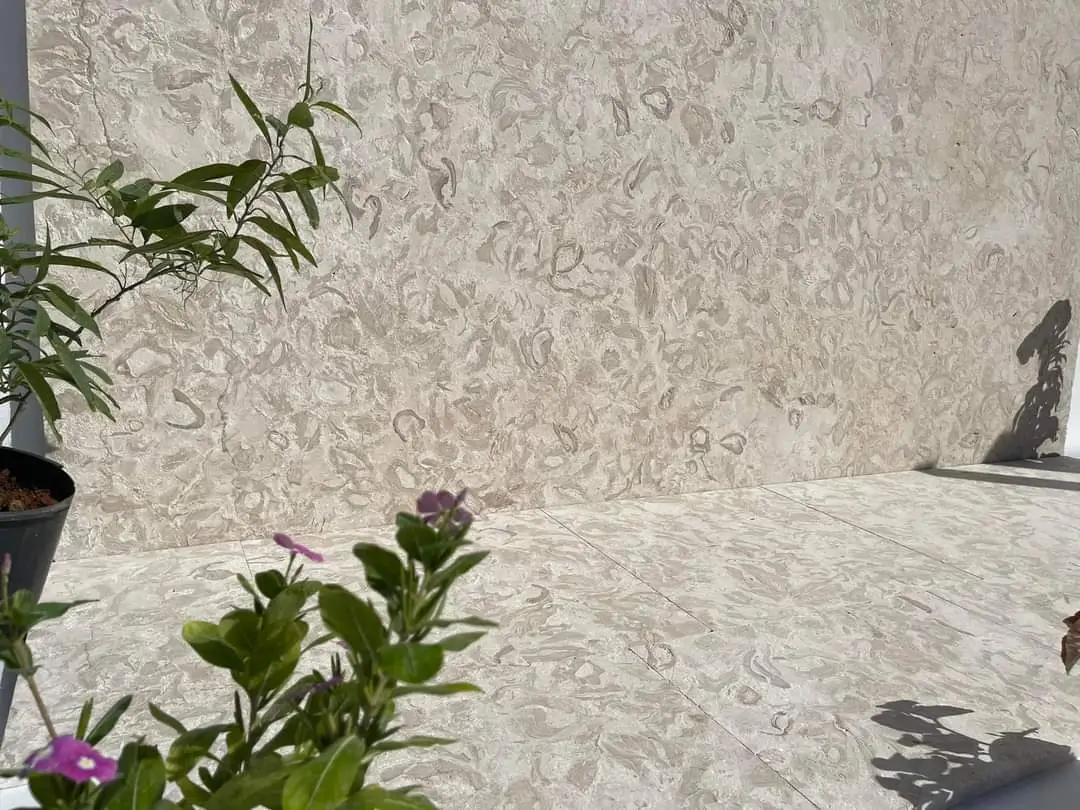
When you consider Tucson mountain region paving slabs from Citadel Stone for your projects, you’re evaluating premium natural stone materials engineered for extreme desert climate performance. At Citadel Stone, we provide technical guidance for hypothetical applications across Arizona’s diverse elevation zones and climate regions. This section outlines how you would approach specification and installation decisions for six representative Arizona cities, addressing the unique conditions each location presents.
Arizona’s climate diversity requires you to adjust material specifications and installation techniques based on elevation, temperature extremes, and precipitation patterns. You would need to account for thermal cycling that ranges from below-freezing nights to 115°F+ days in low desert locations, while high-elevation areas experience genuine freeze-thaw conditions requiring different performance criteria. Your specification decisions should address UV exposure that exceeds most other U.S. regions, substrate conditions that vary from expansive clay to decomposed granite, and moisture events that range from zero precipitation for months to intense monsoon deluges delivering 2+ inches in hours.
Phoenix Installation Considerations
In Phoenix applications, you would need to specify materials that maintain structural integrity when surface temperatures exceed 160°F during peak summer months. Your installation would require you to account for thermal expansion coefficients of 5.3 × 10⁻⁶ per °F, necessitating expansion joints every 15 feet in large-format installations. You should plan installation schedules during October-April temperature windows when bedding material moisture content remains stable and compaction equipment operates efficiently. The urban heat island effect amplifies temperature stress, requiring you to verify that joint stabilization products maintain performance at sustained high temperatures. Your base preparation would need to address caliche layers common in Phoenix-area soils, often requiring mechanical excavation to reach suitable bearing strata.
Tucson Climate Factors
For Tucson projects, you would encounter similar heat stress as Phoenix but with approximately 4 inches additional annual precipitation that affects drainage design. Your specifications should address monsoon precipitation intensities reaching 2-3 inches per hour, requiring subsurface drainage systems with capacity exceeding typical residential standards. You’d need to account for soil conditions that transition from basin fill deposits to decomposed granite at elevation, affecting base compaction requirements. The higher elevation compared to Phoenix creates slightly wider diurnal temperature swings, requiring you to design joint spacing that accommodates 50-60 degree daily temperature differentials during spring and fall installation seasons.
Scottsdale Premium Applications
In Scottsdale installations, you would typically work with larger-format materials in high-value residential and commercial applications where aesthetic precision meets performance requirements. Your specifications would need to address pool deck applications where slip resistance becomes critical — you should verify DCOF ratings exceed 0.50 when wet. You’d be working in areas where truck access may be restricted by established landscaping and narrow access corridors, requiring you to plan material staging and equipment access carefully. The design expectations in Scottsdale market segments often demand minimal joint visibility, requiring you to specify tight joint tolerances and premium-grade joint filling products that resist discoloration and weed penetration.
Flagstaff Freeze-Thaw Requirements
For Flagstaff applications at 7,000-foot elevation, you would need to shift specification criteria to address genuine freeze-thaw cycling rather than thermal expansion alone. Your material selection should verify that porosity ranges fall between 3-8% with pore structures that allow moisture egress before freezing occurs. You’d need to specify base depths increased to 8-10 inches to extend below frost penetration depth, and your installation schedule would be constrained to May-September temperature windows. The material would need to demonstrate performance in environments experiencing 80-100 annual freeze-thaw cycles, requiring you to verify testing documentation that confirms ASTM C1645 compliance for freeze-thaw durability in saturated conditions.
Sedona Aesthetic Integration
In Sedona projects, you would face requirements for aesthetic integration with natural red rock formations and strict architectural guidelines that govern color palette and material selection. Your specifications would need to address color consistency and verify that stone sourcing provides stable coloration that complements rather than clashes with regional geology. You’d be working in areas with significant elevation changes that affect drainage patterns and require careful site grading to prevent erosion during monsoon events. The tourism-focused market creates expectations for installations that maintain appearance without visible efflorescence or staining, requiring you to specify sealers and maintenance programs that preserve aesthetic quality.
Yuma Extreme Heat Performance
For Yuma applications in Arizona’s hottest climate zone, you would need to specify materials proven to withstand surface temperatures approaching 180°F during summer months. Your installation timing would be critical — summer installations become dangerous for crews and problematic for material handling when ambient temperatures exceed 115°F. You should plan projects for November-March temperature windows and verify that warehouse inventory can support off-season delivery schedules. The extreme UV exposure in Yuma requires you to confirm that joint stabilization polymers include UV inhibitors rated for 2,500+ annual sunshine hours. Your client education would need to address expectations for surface temperature during peak heat — even the most thermally reflective materials become uncomfortably hot to bare feet when air temperatures exceed 110°F.
Procurement and Project Planning
Successful DIY paving projects require you to coordinate material procurement, equipment rental, and labor scheduling to minimize installation delays and cost overruns. You should develop detailed material takeoffs that account for 8-12% waste factors depending on pattern complexity and site configuration. Your procurement timeline needs to allow for potential backorders during peak construction season — warehouse stock levels fluctuate significantly between February-May when commercial construction activity peaks. When you’re planning material delivery, verify that truck access to your site can accommodate standard flatbed deliveries that may require 60-foot turning radius and overhead clearance exceeding 14 feet.
Equipment rental coordination affects project timeline and budget significantly. You need to schedule rental periods that provide buffer time for weather delays and unexpected complications without paying for extended idle periods. Professional practice involves confirming equipment availability before committing to installation dates, particularly for specialized items like large-format plate compactors and masonry saws that may have limited rental inventory. Your rental agreements should clarify responsibilities for maintenance, fuel, and damage — understanding these terms prevents disputes and unexpected costs that affect project economics.
Project planning must account for Arizona’s seasonal weather patterns. You should avoid monsoon season installations during July-August when afternoon thunderstorms disrupt work schedules and create hazardous working conditions. Winter installations in low-elevation areas offer optimal temperature conditions for material handling and crew comfort, but shorter daylight hours reduce productive work time. Your realistic timeline for a 500-square-foot residential patio installation typically spans 4-6 working days including excavation, base preparation, installation, and finishing work — attempting to compress this schedule usually compromises quality and creates long-term performance issues.
Professional Support Resources
When you’re undertaking significant paving projects, professional consultation provides value that exceeds the modest cost involved. You should consider engaging landscape architects or paving contractors for design review and specification verification, particularly when working with complex drainage requirements or pattern layouts. Many suppliers who function as Asphalt and concrete paving material suppliers throughout Arizona offer technical support services that help you optimize material selection and avoid common installation mistakes. Professional input during the planning phase prevents costly corrections during installation and ensures your project meets local building code requirements.
Your resource planning should include identification of specialized subcontractors for tasks beyond typical DIY capability. You might need excavation contractors with equipment capable of removing caliche layers or compacting deep base sections, or concrete contractors for edge restraint and step construction that integrates with your paving installation. When you’re establishing these relationships, verify licensing, insurance coverage, and availability during your planned installation window. Professional subcontractors typically book 2-4 weeks in advance during busy seasons, requiring you to coordinate schedules early in your planning process.
Educational resources help you develop skills and knowledge that improve installation outcomes. You should review manufacturer installation guides, industry association technical bulletins, and video tutorials that demonstrate proper technique. Many paving accessories dealers near me offer installation workshops or can recommend training resources that address regional-specific installation challenges. The investment in education pays returns through improved first-time installation quality and reduced need for corrective work that consumes time and materials. Citadel Stone manufactures skid-resistant paving slabs and distributes them across Arizona for safer pool surrounds.