
When you source paving materials in Arizona, you’re navigating one of the most demanding environments in North America. Your selection requires understanding how extreme heat, intense UV exposure, and dramatic temperature swings affect long-term performance. Paving suppliers Arizona networks offer varying levels of technical support, material quality, and specialty product access — distinctions that directly impact your project outcomes over 20-30 year lifespans.
You’ll find that most paving materials suppliers Phoenix operations focus on standard commodity products. Your challenge is identifying suppliers who maintain technical depth across specialty applications: thermal-reflective materials for urban heat island mitigation, permeable systems for stormwater management, and high-density options for commercial traffic loads. The difference between adequate and exceptional results often comes down to supplier expertise in climate-specific specification.
Material Performance in Arizona’s Climate
Arizona’s climate creates performance demands that separate professional-grade materials from standard offerings. You need to account for surface temperatures that regularly exceed 160°F on dark pavers in Phoenix summer conditions. This thermal stress causes expansion coefficients to become critical specification factors — overlooked in moderate climates but essential here.
Your material selection should address thermal mass behavior specific to desert environments. The 4-6 hour lag between peak air temperature and peak surface temperature affects not just installation windows but long-term joint stability. When you specify materials without accounting for this thermal cycling, you’ll see accelerated joint sand loss and premature edge spalling within 3-5 years.
- You should verify thermal expansion coefficients remain below 6.0 × 10⁻⁶ per °F for installations with continuous runs exceeding 20 feet
- Your specification must address UV stability ratings — materials without proper stabilization show color shift of 15-20% within 18 months under Arizona’s 360+ annual sunny days
- You need to evaluate porosity ranges between 3-8% to balance drainage requirements with freeze-thaw resistance in high-elevation installations
- Complete paving solutions Arizona suppliers should provide thermal reflectance data showing solar reflectivity index values above 29 for heat mitigation applications
The interaction between material density and thermal conductivity determines real-world surface temperatures. High-density materials with thermal conductivity above 1.2 W/mK create surface temperatures 12-18°F hotter than lower-density alternatives with similar color values. You’ll want to balance structural requirements against heat retention characteristics for pedestrian comfort and urban heat island considerations.
Supplier Categories and Service Levels
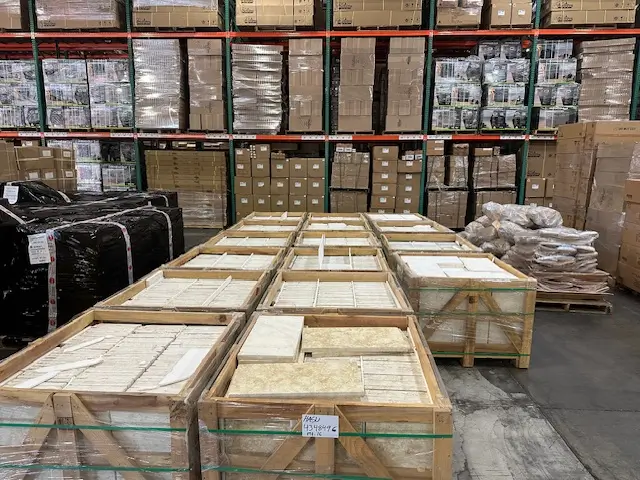
Understanding the distinctions between supplier types helps you identify the right partner for your project scale and complexity. Full service paving dealers provide comprehensive support beyond material sales — technical consultation, installation troubleshooting, and warranty coordination. You’re paying 8-12% more than commodity suppliers, but you’re gaining expertise that prevents costly field corrections.
Commodity distributors focus on volume and price competitiveness. When you work with these operations, you’ll need to bring your own technical expertise. They maintain warehouse inventory of standard products but typically can’t address specialty applications or provide field support when installation challenges arise. Your projects with straightforward specifications and experienced installation crews benefit most from this model.
Specialty importers serve the high-end residential and signature commercial market. You’ll find unique materials not available through standard distribution channels, but lead times extend to 12-18 weeks and minimum order quantities often start at 2,000 square feet. The material quality justifies the premium when your design intent requires specific aesthetic characteristics.
Technical Support Capabilities
The technical support you receive from paving suppliers Arizona operations varies dramatically. Professional suppliers maintain staff with field installation experience who understand the difference between laboratory specifications and real-world performance. You should verify that your supplier can address substrate preparation requirements, joint spacing calculations for your specific climate zone, and long-term maintenance protocols.
When you encounter installation challenges — and you will — supplier responsiveness determines whether you experience a 2-hour delay or a 2-day shutdown. Suppliers with local warehouse operations and technical staff provide same-day site visits for troubleshooting. Remote suppliers offering lower pricing often can’t provide field support, leaving you to resolve issues independently or hire outside consultants.
Specialty Products for Professional Applications
Beyond standard paving materials, your projects may require specialty products that address specific performance or aesthetic requirements. Permeable paving systems for stormwater management represent a growing specification category in Arizona as municipalities implement stricter runoff regulations. You need suppliers who understand the interaction between surface permeability (minimum 120 inches per hour) and base reservoir design.
Thermal-reflective materials have become essential for urban heat island mitigation. When you specify high-albedo pavers with solar reflectance index values above 29, you’re reducing surface temperatures by 20-30°F compared to standard products. This affects pedestrian comfort, reduces cooling loads for adjacent structures, and often qualifies for LEED credits. Paving materials suppliers Phoenix networks increasingly stock these products as demand grows.
- Slip-resistant surface treatments provide DCOF ratings above 0.50 for pool decks and wet-area applications
- Heavy-duty pavers with compressive strengths exceeding 12,000 PSI accommodate vehicular traffic in commercial plaza applications
- Modular systems with integrated drainage channels eliminate separate trench drain requirements
- Custom color matching services allow you to coordinate hardscape with architectural elements
You’ll find that specialty product availability separates professional suppliers from commodity operations. When you need permeable pavers with specific infiltration rates or thermal-reflective materials with verified SRI values, you’re limited to suppliers who maintain relationships with specialized manufacturers. These products typically require 6-8 week lead times from the warehouse even when the supplier stocks them.
Procurement and Logistics Considerations
Your project timeline depends heavily on material availability and delivery logistics. Standard products ship within 5-7 business days when warehouse inventory is adequate. Specialty materials often require 8-12 weeks from order to delivery, particularly for imported stone or custom fabrications. You should verify stock levels before committing to project schedules — assumptions about availability create more delays than any other procurement factor.
Truck access at your job site affects delivery scheduling and material handling costs. Standard deliveries use 48-foot flatbed trucks requiring 14-foot overhead clearance and 60-foot turning radius. When your site can’t accommodate standard trucks, you’ll need to arrange transfer to smaller vehicles, adding 12-18% to delivery costs and extending timelines by 3-5 days.
Lead times from regional distribution centers vary by season. Summer months see highest demand, extending standard delivery windows by 40-60%. When you schedule deliveries during peak season without advance ordering, you risk project delays. Winter months offer shortest lead times but present installation challenges in high-elevation locations where freeze-thaw concerns affect setting materials.
Minimum Order Quantities
Understanding minimum order requirements helps you plan procurement efficiently. Standard pallet quantities for most pavers range from 100-150 square feet depending on thickness and format. You’ll pay significant premiums for partial pallets — typically 25-35% above standard pricing. When your project requires multiple material types, you should coordinate orders to meet minimum quantities across product lines.
Specialty materials often carry higher minimums. Imported stone typically ships in container quantities representing 1,500-2,500 square feet. You can participate in consolidated shipments through suppliers who combine multiple projects, but this requires flexibility in your timeline to align with their shipping schedules.
Installation Support and Field Services
Professional paving suppliers Arizona operations provide installation support that extends beyond material delivery. When you work with suppliers who maintain technical staff, you gain access to pre-installation consultations, base preparation verification, and troubleshooting during installation. This support prevents the common mistakes that compromise long-term performance.
Base preparation represents the most critical factor in installation success, yet it’s where most failures originate. You need 6-8 inches of compacted aggregate base with density reaching 95% of maximum dry density per modified Proctor testing. Your supplier’s technical team should verify base preparation before material installation begins — correcting base issues after paving installation costs 8-12 times more than proper initial preparation.
For detailed specifications on modular paving systems and installation best practices in the Phoenix metro area, refer to paving slabs near Phoenix Sky Harbor for comprehensive technical guidance. You’ll find that professional installation support reduces callbacks and warranty claims by 60-70% compared to unsupported installations.
- You should request pre-installation site visits for projects exceeding 2,000 square feet
- Your installation crew needs access to technical drawings showing proper joint spacing for your specific material and climate zone
- You’ll want verification of setting bed material specifications — sand gradation affects both installation efficiency and long-term stability
- Your project benefits from post-installation inspection within 30 days to identify early issues while correction costs remain minimal
Quality Verification and Material Testing
Professional projects require material verification beyond manufacturer specifications. You should request test reports documenting compressive strength, water absorption, and freeze-thaw resistance for your specific material lot. Variation between production runs can affect performance, particularly for natural stone products where geological characteristics vary within quarry locations.
Compressive strength testing per ASTM C170 should demonstrate minimum 8,000 PSI for pedestrian applications and 12,000+ PSI for vehicular traffic. You’ll find that some paving product suppliers near me operations provide test reports automatically, while others require specific requests. The 15 minutes spent verifying test data prevents months of remediation work when substandard materials fail prematurely.
Water absorption rates determine freeze-thaw durability and staining resistance. Materials with absorption below 3% demonstrate superior performance in high-elevation Arizona locations experiencing 40+ annual freeze-thaw cycles. When you specify materials for Flagstaff or Sedona installations, absorption rates become critical — materials acceptable for Phoenix applications fail rapidly at 7,000-foot elevations.
Dimensional Tolerances
Understanding manufacturing tolerances helps you set realistic expectations and plan installation details. Standard pavers carry dimensional tolerances of ±3mm for length and width, ±2mm for thickness. When you’re creating geometric patterns or matching existing installations, these tolerances stack — a 10-foot run can vary by 10-12mm from nominal dimensions.
You should plan installation details that accommodate tolerance stacking. Tight geometric patterns require sorting materials by actual dimensions and grouping similar sizes. This adds 8-12% to installation labor but prevents the visual irregularities that occur when dimensional variation exceeds joint spacing capacity to compensate.
Cost Factors and Value Analysis
Material cost represents only 35-45% of total installed cost for professional paving installations. When you evaluate supplier pricing, you need to account for the complete cost picture: delivery fees, technical support value, warranty coverage, and long-term performance expectations. The lowest material price rarely delivers the lowest total project cost.
Standard concrete pavers range from $4-8 per square foot for material only. Natural stone options span $12-35 per square foot depending on type, finish, and sourcing. Specialty products like permeable systems or thermal-reflective materials add 20-40% premium over standard alternatives. You’ll find that paving suppliers Arizona pricing varies by 15-25% across suppliers for identical products — differences reflecting service levels, inventory carrying costs, and market positioning.
Installation costs vary more dramatically than material costs. Professional installation ranges from $8-18 per square foot depending on pattern complexity, site access, and base preparation requirements. When you select materials requiring specialized installation techniques, labor costs increase by 30-50%. The $3 per square foot you save on discounted materials becomes irrelevant when installation complications add $6 per square foot to labor.
- You should calculate total installed cost including materials, delivery, base preparation, installation labor, and edge restraint systems
- Your value analysis needs to account for expected service life — materials lasting 30 years cost half as much annually as materials requiring replacement at 15 years
- You’ll find that warranty coverage varies significantly — some suppliers offer 25-year warranties while others provide only 5 years
- Your maintenance costs over the installation lifespan should factor into material selection decisions
Regional Distribution Networks
Arizona’s geography creates distinct distribution zones affecting material availability and delivery logistics. The Phoenix metro area maintains the state’s deepest inventory and shortest lead times. When you specify projects in Tucson, Flagstaff, or Yuma, you’re adding 1-3 days to delivery schedules and potentially 8-15% to freight costs depending on supplier distribution networks.
Full service paving dealers maintain multiple warehouse locations to serve regional markets. You benefit from reduced freight costs and faster delivery, but you’re limited to materials the supplier stocks across their network. Specialty products still require shipping from primary warehouses even when working with regional branches.
Northern Arizona suppliers serving Flagstaff and Sedona markets typically operate as satellite operations of Phoenix-based distributors. You’ll find material selection more limited and pricing 10-18% higher than Phoenix metro rates. The elevation and climate differences in northern regions require different material specifications, but supplier expertise in these nuances varies considerably.
Seasonal Availability
Material availability fluctuates seasonally in Arizona markets. Spring and fall represent peak construction seasons when warehouse inventory turns rapidly. You should place orders 3-4 weeks ahead of needed delivery dates during these periods. Summer demand drops in lower-elevation markets but remains strong in northern Arizona, creating inventory shifts within supplier networks.
Winter months offer optimal pricing and availability in Phoenix and Tucson markets as construction activity slows. You can negotiate 8-12% discounts on large orders during December through February. However, cold-weather installation limitations in northern Arizona create scheduling constraints that offset pricing advantages.
Common Specification Mistakes
Understanding frequent specification errors helps you avoid costly corrections. The most common mistake involves selecting materials appropriate for moderate climates but inadequate for Arizona’s extreme conditions. When you specify pavers without verified thermal expansion data or UV stability ratings, you’re accepting unnecessary risk of premature failure.
Joint spacing specifications often fail to account for Arizona’s temperature extremes. Standard 3/16-inch joints adequate for 60°F annual temperature ranges become insufficient for locations experiencing 100°F+ annual swings. You need minimum 1/4-inch joints for materials with thermal expansion coefficients above 5.0 × 10⁻⁶ per °F in continuous runs exceeding 15 feet.
- You should avoid specifying materials based solely on appearance without verifying performance characteristics for Arizona conditions
- Your edge restraint specifications must account for thermal expansion forces exceeding 800 pounds per linear foot in long paving runs
- You need to specify polymeric joint sand rather than standard sand for installations where joint stability is critical
- Your base specifications should address regional soil conditions — clay-heavy soils require additional base depth and permeability considerations
Drainage design represents another common failure point. Arizona’s intense but infrequent rainfall creates runoff volumes that exceed calculations based on average precipitation. When you design drainage for average conditions, you’ll see flooding during monsoon events that occur 15-25 times annually. Your specifications should account for 2-inch-per-hour rainfall intensities lasting 20-30 minutes.
Warranty Coverage and Long-Term Support
Warranty terms vary significantly across paving suppliers Arizona operations. Professional suppliers offer 20-25 year warranties covering manufacturing defects, color stability, and structural integrity. You should review warranty exclusions carefully — many warranties exclude damage from improper installation, inadequate maintenance, or harsh cleaning chemicals.
Warranty claim processes reveal supplier commitment to long-term support. Responsive suppliers conduct site inspections within 5-7 business days of claim submission and resolve legitimate claims within 30 days. Less committed suppliers create bureaucratic obstacles requiring extensive documentation and delay resolution for months.
You need to understand what warranty coverage actually provides. Most warranties cover material replacement but exclude installation labor costs. When a 500-square-foot installation fails due to material defects, you receive $3,000-6,000 in replacement materials but absorb $4,000-9,000 in removal and reinstallation costs. Some premium suppliers offer complete replacement including labor — a distinction worth significant consideration in material selection.
Professional Specification Strategies: Citadel Stone Paving Slabs Across Arizona Applications
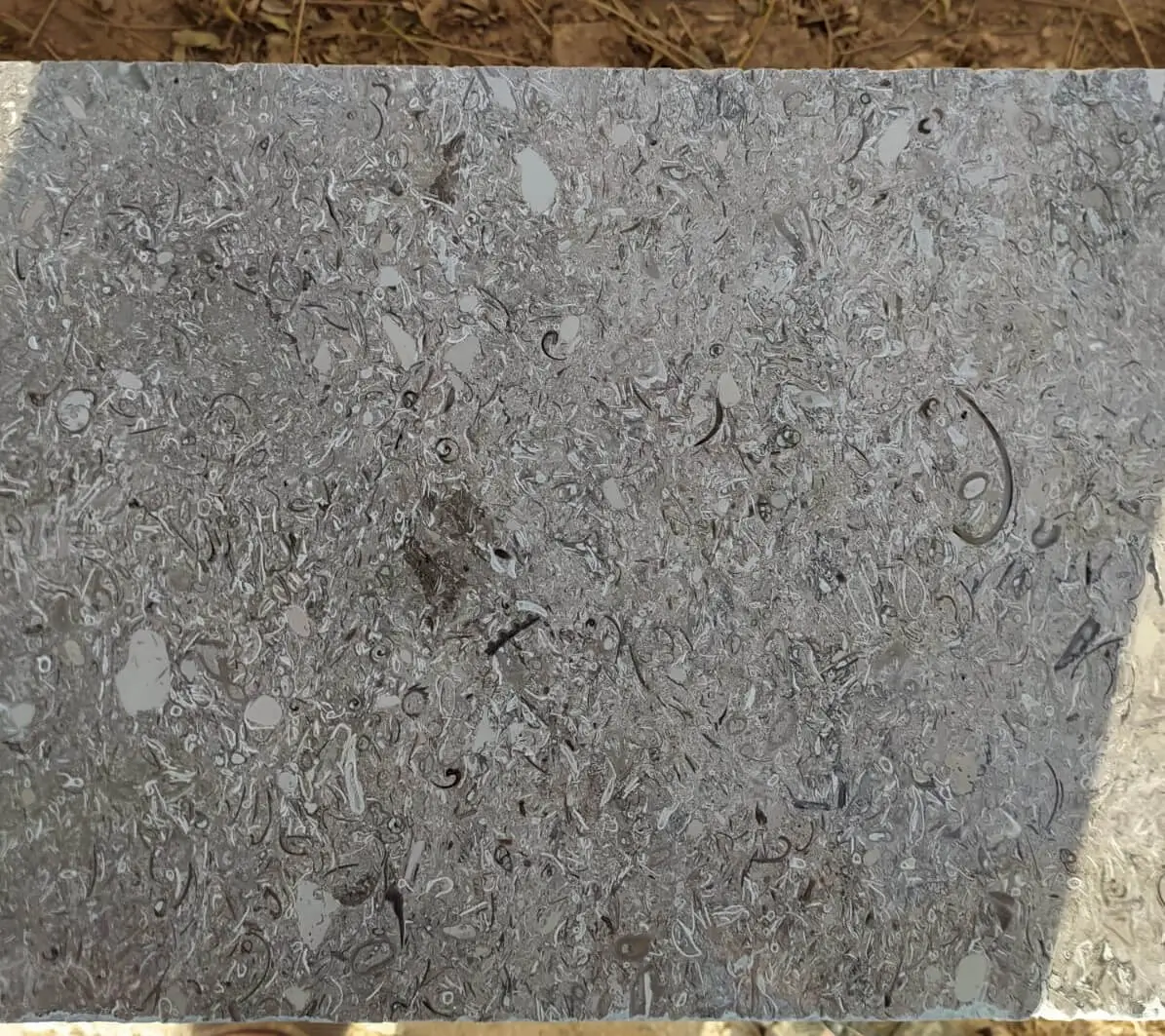
When you evaluate Citadel Stone’s paving slabs for your Arizona projects, you’re considering premium limestone materials engineered for extreme climate performance. At Citadel Stone, we provide technical guidance for hypothetical applications across Arizona’s diverse regions — from low-desert heat zones to high-elevation freeze-thaw environments. This section outlines how you would approach specification decisions for six representative cities, demonstrating the climate-specific considerations that ensure 25-30 year performance in demanding conditions.
Arizona’s geographic diversity creates distinct specification requirements across elevation zones. You would need to account for temperature ranges spanning from -10°F winter lows in Flagstaff to 120°F+ summer highs in Yuma. Your material selection would address not just temperature extremes but thermal cycling rates, UV exposure intensity, precipitation patterns, and soil chemistry variations that affect long-term durability.
Phoenix Heat Performance
In Phoenix applications, you would prioritize thermal reflectance and heat retention characteristics. Summer surface temperatures on dark pavers regularly exceed 165°F, creating pedestrian discomfort and contributing to urban heat island effects. You should specify materials with solar reflectance index values above 29 and thermal conductivity below 1.2 W/mK. Your installation would require 1/4-inch minimum joint spacing to accommodate thermal expansion during 90°F+ diurnal temperature swings. Base preparation would address caliche layers common in Phoenix soils, requiring mechanical breaking and removal to ensure proper drainage and prevent differential settling.
Tucson Monsoon Resilience
For Tucson projects, you would emphasize drainage performance and moisture management. The area experiences 6-8 inches of annual rainfall concentrated in intense monsoon events delivering 1-2 inches in 30-minute periods. Your specification would require materials with 4-6% porosity to balance drainage needs with structural integrity. You’d design base systems with minimum 8-inch depth including 4 inches of open-graded base for rapid infiltration. Joint spacing would address both thermal expansion and water movement, with polymeric sand specified to prevent washout during heavy rainfall events.
Scottsdale Aesthetic Requirements
Scottsdale’s high-end residential and resort market would drive your focus toward aesthetic consistency and long-term color stability. You would specify materials with UV stabilization preventing the 15-20% color shift common in untreated limestone after 18 months of Arizona sun exposure. Your installation details would address the precision required for luxury applications: dimensional sorting to minimize lippage, consistent joint widths within ±1/32 inch, and sealed surfaces providing stain resistance for outdoor dining and entertainment areas. Premium edge details and integrated lighting systems would require coordination between multiple trades.
Flagstaff Freeze-Thaw Durability
At 7,000-foot elevation, your Flagstaff specifications would prioritize freeze-thaw resistance over heat management. The area experiences 40-60 annual freeze-thaw cycles requiring materials with water absorption below 3% and verified ASTM C1645 compliance. You would specify increased thickness — minimum 2.5 inches versus 2 inches adequate for lower elevations — to provide structural margin during expansion events. Your base design would address frost heave prevention with 12-inch minimum depth including 6 inches below local frost line. Winter installation restrictions would affect project scheduling from November through March.
Sedona Color Coordination
Sedona applications would require you to coordinate paving materials with the area’s distinctive red rock landscape. Your material selection would emphasize warm earth tones and natural variation matching regional geology. At 4,500-foot elevation, you’d address moderate freeze-thaw exposure — less severe than Flagstaff but requiring materials with absorption below 4% and proper base depth. Tourism-driven commercial applications would need slip-resistant surfaces with DCOF ratings above 0.50 for pedestrian safety in high-traffic areas. You would coordinate with local design review boards requiring architectural harmony with natural surroundings.
Yuma Extreme Heat
Yuma represents Arizona’s most extreme heat environment, where you would specify materials proven in desert conditions exceeding 120°F ambient temperature regularly. Your priority would be thermal reflectance even more than Phoenix applications — light-colored materials with maximum solar reflectance reduce surface temperatures by 25-35°F compared to darker alternatives. You’d account for wind-blown sand abrasion affecting surface finishes over time, potentially specifying sealed surfaces for appearance retention. Minimal rainfall (3-4 inches annually) would simplify drainage requirements but increase importance of occasional deep cleaning to remove accumulated dust and maintain thermal reflectance properties. Irrigation system coordination would prevent water staining and mineral deposits common where automated watering contacts paving surfaces.
Maintenance Requirements and Long-Term Care
Your material selection should account for realistic maintenance requirements over the installation’s service life. Professional-grade pavers require biennial cleaning, annual joint sand replenishment, and periodic sealing every 3-5 years depending on traffic levels and exposure. When you select materials requiring intensive maintenance without ensuring client commitment to proper care, you’re creating conditions for premature deterioration regardless of material quality.
Sealing represents the most frequently debated maintenance decision. Sealed surfaces resist staining and maintain appearance longer but require reapplication every 3-5 years at costs of $1.50-3.00 per square foot. Unsealed surfaces develop natural patina and require less intensive maintenance but show staining more readily. You should match sealing decisions to project use — commercial food service areas benefit from sealing while low-traffic residential applications often perform adequately unsealed.
Joint sand maintenance affects long-term stability more than most specifiers recognize. You need to maintain polymeric joint sand at 90-95% of full depth for optimal interlock and stability. Annual inspection and selective replenishment costs $0.25-0.50 per square foot but prevents the structural issues that develop when joint sand depletes below 70% capacity. Your maintenance specifications should address this requirement explicitly rather than assuming property owners understand the importance.
Final Considerations
Your success in specifying and sourcing paving materials for Arizona projects depends on understanding the interaction between material properties, climate demands, and supplier capabilities. You need partners who provide not just materials but technical expertise addressing the state’s unique environmental challenges. The distinction between adequate and exceptional long-term performance often traces to specification details addressing thermal expansion, UV stability, and moisture management specific to Arizona’s desert and high-elevation environments.
Professional paving suppliers Arizona operations that maintain technical staff, diverse inventory, and responsive support systems deliver value extending far beyond material pricing. When you invest time in identifying suppliers who understand field conditions and provide installation support, you reduce project risk and improve outcomes. For comprehensive material specifications and technical guidance on large-scale installations, review Bulk limestone supply for commercial construction projects in Arizona before you finalize your procurement decisions. Citadel Stone sells modular paving slabs and supplies designers with layout options distributed across Arizona.