
When you’re sourcing materials for large-scale commercial projects in Arizona, you need a commercial limestone supplier Arizona that understands the unique demands of desert construction. Your project’s success depends on selecting materials that can withstand extreme temperature swings, intense UV exposure, and the specific challenges of Southwest climate conditions. Commercial installations require not just quality stone but also reliable supply chain logistics, technical support, and the ability to deliver large quantities on demanding timelines.
The commercial stone dealer Phoenix market has evolved significantly as Arizona’s construction sector continues to expand. You’ll find that professional specifiers now demand more than just competitive pricing — they need suppliers who can provide detailed technical data, coordinate complex delivery schedules, and support installations from specification through completion. Your selection of a contractor limestone supplier becomes a critical decision that affects project timelines, budget control, and long-term performance outcomes.
Material Performance in Arizona Climate
Arizona’s extreme desert climate creates specific performance requirements that you must address when you specify limestone for commercial applications. Your material selection needs to account for thermal cycling that can exceed 50°F in a single day, with summer surface temperatures reaching 160°F or higher. These conditions create stress factors that don’t exist in more temperate regions, and your specifications must reflect this reality.
When you evaluate limestone options, you should focus on these critical performance factors:
- You need thermal expansion coefficients below 6.0 × 10⁻⁶ per °F to minimize joint movement
- Your selected material should demonstrate compressive strength exceeding 9,000 PSI for commercial traffic loads
- You must verify that porosity ranges between 3-7% to balance drainage with structural integrity
- Your specification should require UV stability testing showing less than 5% color shift over 1,000 hours
- You’ll want slip resistance values maintaining DCOF ratings above 0.50 when wet
The thermal mass properties of limestone work to your advantage in Arizona installations. Material absorbs heat slowly during peak sun exposure, creating a 3-4 hour lag time between peak air temperature and peak surface temperature. This characteristic reduces afternoon surface temperatures by 12-18°F compared to concrete alternatives, which directly affects user comfort in commercial plaza applications and pedestrian areas.
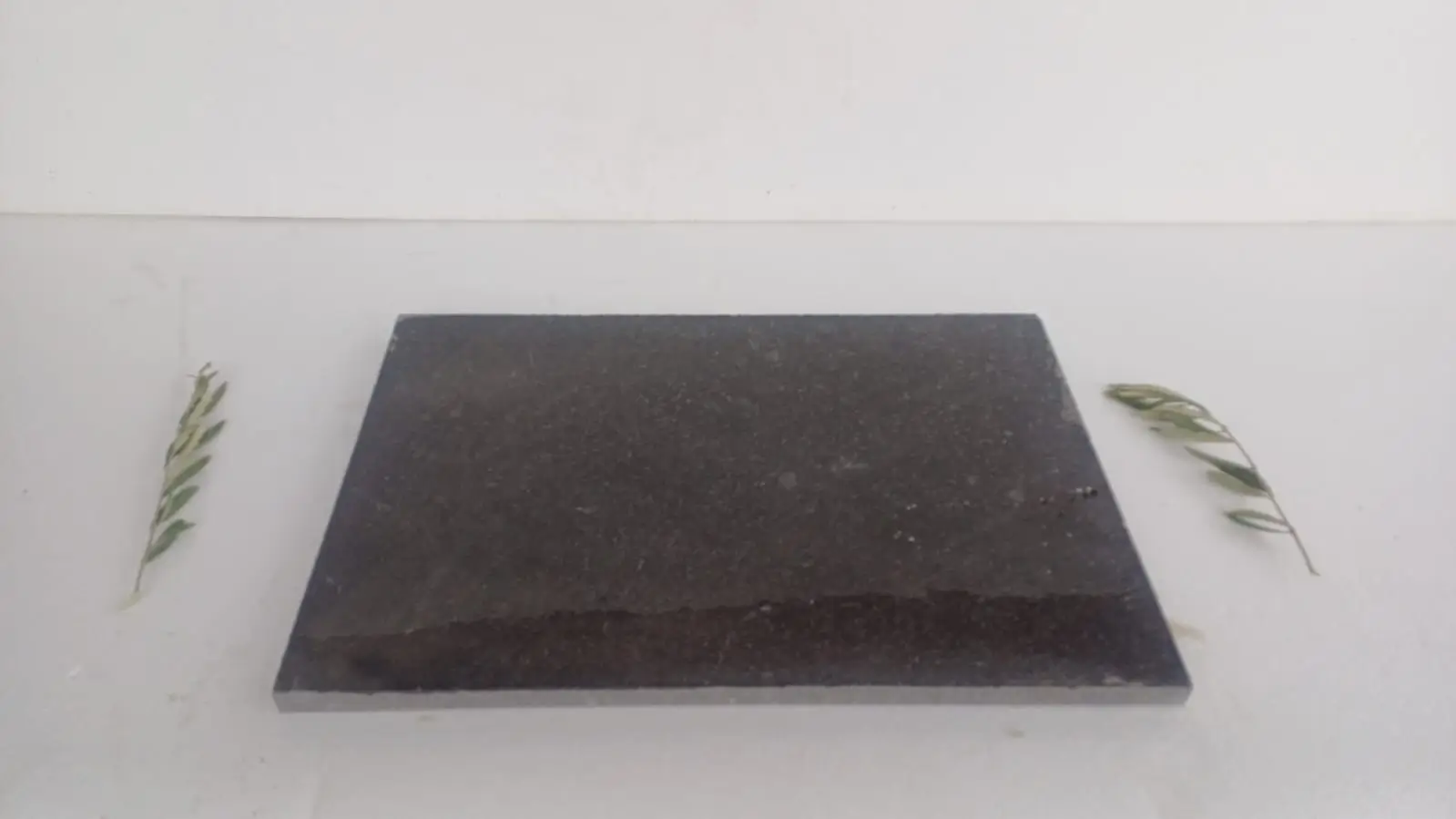
Your commercial limestone dealer Arizona should provide detailed technical data sheets that address these climate-specific performance criteria. Generic product specifications developed for national markets often fail to address the specific challenges you’ll encounter in Southwest installations. The material’s behavior under sustained 110°F+ temperatures differs significantly from its performance in moderate climates, and you need supplier support that reflects this understanding.
Specification Considerations for Commercial Projects
When you develop specifications for commercial limestone applications, you’re balancing multiple competing requirements — durability, aesthetics, budget constraints, maintenance expectations, and installation timelines. Your specification process should begin with clear performance criteria rather than starting with material selection. This approach ensures that you select the commercial limestone supplier Arizona who can meet your actual project requirements rather than forcing your project to fit available inventory.
Professional specifications for Arizona commercial projects should address these technical parameters:
- You should specify minimum compressive strength of 9,000 PSI for vehicular areas, 8,000 PSI for pedestrian zones
- Your absorption rate requirements must not exceed 5% by weight for freeze-thaw exposed areas in northern Arizona
- You need to require abrasion resistance indices below 25 for high-traffic commercial installations
- Your dimensional tolerance specifications should allow maximum ±3mm thickness variation across units
- You must specify surface finish consistency within ±10% gloss unit variation for honed finishes
The relationship between thickness and performance becomes critical in commercial applications. While 30mm thickness works adequately for residential pedestrian use, you should specify 40mm minimum thickness for commercial foot traffic and 50-60mm for areas with occasional vehicular access. This isn’t just about load-bearing capacity — thicker units provide better thermal stability and reduce the risk of corner chipping during installation and use.
Your specifications should also address edge detail requirements. Commercial installations benefit from precisely manufactured edges that minimize joint width variability. When you specify rectified edges with ±0.5mm tolerance, you enable tighter joint spacing that improves visual consistency and reduces long-term joint maintenance. Standard tumbled or natural edges create joint width variations that become increasingly apparent as installations age and joint materials settle or erode.
Supply Chain Logistics and Timeline Management
One aspect that separates professional-grade commercial limestone dealer Arizona operations from retail suppliers is their understanding of project timeline management and supply chain coordination. When you’re managing commercial construction schedules, material delivery delays create cascading problems that affect multiple trades and can result in significant cost overruns. Your supplier selection should prioritize reliability and logistics capability as highly as material quality.
You need to verify warehouse stock levels before committing to project timelines, especially for large-scale commercial installations requiring 5,000+ square feet of material. Lead times from overseas quarries can extend 12-16 weeks, and domestic production schedules may require 6-8 weeks for custom orders. When you work with a large project limestone supplier who maintains substantial warehouse inventory in Arizona, you reduce schedule risk substantially.
Truck access considerations at your job site directly affect delivery logistics and installation efficiency. Commercial deliveries often involve tractor-trailer units that require adequate turning radius, overhead clearance, and surface load capacity. You should confirm during planning phases that:
- Your site access points can accommodate 53-foot trailers with 12-foot turning radius requirements
- You have verified weight restrictions on access routes support loaded trucks exceeding 40 tons
- Your unloading zones provide adequate space for forklift operations and material staging
- You’ve coordinated delivery windows with site security, neighboring property access, and local traffic patterns
The contractor limestone supplier you select should provide delivery scheduling flexibility that accommodates phased construction timelines. Large commercial projects rarely proceed on perfectly linear schedules — weather delays, permit issues, and coordination with other trades create constant schedule adjustments. You’ll benefit from suppliers who can adapt delivery schedules to match actual construction progress rather than rigid predetermined schedules.
Technical Support and Installation Guidance
Your commercial limestone supplier Arizona should function as a technical resource throughout the project lifecycle, not simply a material vendor. Professional installations require specific expertise in areas including base preparation, setting bed specifications, joint spacing calculations, and sealing protocols. When suppliers provide experienced technical support, you reduce installation errors that compromise long-term performance.
Base preparation requirements for commercial limestone installations exceed residential standards significantly. You need aggregate base courses compacted to 95% modified Proctor density with proper drainage gradients built into the substrate. The base thickness you specify should reflect anticipated loads — 6 inches minimum for pedestrian areas, 8-10 inches for vehicular areas, with geotextile separation layers preventing base contamination from underlying soils.
Setting bed specifications vary based on installation method and expected loads. For commercial applications, you should specify:
- You need Portland cement-based setting beds for vehicular and heavy pedestrian traffic areas
- Your setting bed thickness should range from 1.5-2 inches with proper consistency for full unit support
- You must ensure setting bed mix designs achieve minimum 3,000 PSI compressive strength
- Your specifications should require full mortar coverage beneath units, avoiding spot-setting methods
- You should specify proper curing periods before allowing traffic — minimum 72 hours for pedestrian, 7 days for vehicular
Joint spacing calculations in Arizona commercial installations must account for thermal expansion that exceeds considerations in moderate climates. For comprehensive warranty coverage information, see Citadel Stone’s limestone warranty details that address proper expansion joint specifications. You should specify expansion joints every 12-15 feet in direct sun exposure areas, with joint widths of 3/8 inch minimum to accommodate thermal movement without generating stress cracks.
Quality Verification and Acceptance Testing
When you receive material shipments for commercial projects, you can’t assume quality compliance without verification testing. Your project specifications should include acceptance testing protocols that confirm delivered materials meet specified performance criteria. This becomes particularly important when you’re working with new suppliers or specifying materials for high-profile installations where performance failures create significant liability.
Field testing capabilities have improved dramatically with portable testing equipment now available for on-site verification. You can conduct slip resistance testing using digital tribometers that provide DCOF measurements in minutes. Surface moisture testing with calibrated meters verifies that materials have adequate drying time before sealing. Dimensional verification using laser measuring tools confirms thickness and size tolerances meet specifications.
Your acceptance testing protocol should include:
- You should test slip resistance on random samples from each delivery batch, requiring minimum 0.50 DCOF wet
- Your team needs to verify dimensional consistency, rejecting batches with thickness variation exceeding ±3mm
- You must inspect surface finish quality, checking for excessive pitting, fissures, or color variation beyond acceptable ranges
- You should conduct porosity spot-checks using water absorption testing on representative samples
- Your protocol must document all test results with photographic evidence for project records
The commercial stone dealer Phoenix operations that support professional-grade projects understand the importance of quality documentation and will provide mill certificates, test reports, and compliance documentation as standard practice. When suppliers resist providing detailed quality documentation, you should consider that a significant red flag indicating potential quality control issues.
Cost Structures and Budget Management
Understanding the complete cost structure for commercial limestone installations helps you develop accurate project budgets and avoid costly surprises during construction. Material cost represents only 35-45% of total installed cost for commercial applications. Your budget must account for base preparation, setting materials, labor, equipment, waste factors, sealing, and project-specific logistics costs.
When you compare pricing from different commercial limestone dealer Arizona sources, ensure you’re making equivalent comparisons. Per-square-foot pricing means nothing without understanding what’s included. Some suppliers quote material only, others include delivery, and some provide complete installed pricing. You need to develop detailed cost breakdowns that capture:
- Your material costs should include waste factors of 8-12% depending on pattern complexity and site conditions
- You must account for delivery costs that vary based on distance from warehouse to job site
- Your budget needs to include base preparation costs ranging from $4-7 per square foot for commercial applications
- You should allocate setting material costs of $2-4 per square foot depending on installation method
- Your labor budgets must reflect prevailing commercial wage rates, typically $8-15 per square foot installed
Volume pricing becomes available on commercial projects exceeding 3,000-5,000 square feet, with additional discounts possible on projects above 10,000 square feet. Your large project limestone supplier should provide transparent volume pricing structures that allow you to optimize order quantities. Sometimes consolidating orders across multiple project phases or combining orders with other projects generates pricing advantages that significantly impact overall project economics.
Maintenance Requirements and Lifecycle Costs
Your material selection decisions should account for long-term maintenance requirements and lifecycle costs, not just initial installed cost. Commercial limestone installations in Arizona require periodic maintenance to sustain performance and appearance. When you factor maintenance costs into lifecycle analysis, you often find that premium materials with lower maintenance requirements provide better value than budget options requiring intensive maintenance programs.
Sealing protocols for commercial limestone installations differ substantially from residential applications. You need commercial-grade penetrating sealers that provide stain resistance without creating surface films that become slippery when wet or that require frequent reapplication. Professional-grade sealers cost $0.75-1.50 per square foot for materials and application, but quality products provide 3-5 years of protection before reapplication becomes necessary.
Your maintenance program should include:
- You should schedule pressure washing annually using 1,200-1,800 PSI equipment with appropriate nozzle distances
- Your maintenance staff needs to inspect joint materials semi-annually, replenishing eroded joint sand or mortar as needed
- You must address stains promptly using pH-appropriate cleaning products specific to limestone chemistry
- Your program should include sealer reapplication every 3-5 years depending on traffic levels and exposure
- You need to monitor drainage systems quarterly, ensuring proper function to prevent water-related degradation
The commercial limestone supplier Arizona you select should provide maintenance guidance specific to the materials they supply and the Arizona climate conditions. Generic maintenance recommendations developed for national audiences often fail to address the specific challenges created by desert dust, intense UV exposure, and the mineral content of Arizona water supplies that can cause efflorescence and staining patterns unique to this region.
Common Specification Mistakes to Avoid
Professional experience across hundreds of commercial installations reveals recurring specification mistakes that create problems during installation or compromise long-term performance. When you understand these common errors, you can develop specifications that avoid predictable problems and ensure successful project outcomes.
One frequent mistake involves specifying inadequate thickness for anticipated use conditions. While 30mm limestone works for light pedestrian traffic, commercial applications with heavy foot traffic, rolling loads from maintenance equipment, or occasional vehicular access require 40-50mm minimum thickness. The cost difference between 30mm and 40mm material is typically 15-25%, but the performance difference in commercial settings is substantial. You’ll find that thinner materials show corner chipping, surface spalling, and structural failures that require costly repairs or replacement.
Joint spacing specifications often fail to account for Arizona’s extreme thermal cycling. You can’t use standard joint spacing recommendations developed for moderate climates. When you specify joints too tight or fail to include adequate expansion joints, you create conditions where thermal expansion generates stress that manifests as corner chipping, surface cracking, or unit displacement. Your specifications should require 3/16 inch minimum joints for rectified units and 3/8 inch expansion joints every 12-15 feet in full sun exposure areas.
Additional specification mistakes to avoid include:
- You should not specify generic “Type N” mortar for commercial installations — use custom mix designs with proper compressive strength
- Your specifications must not allow spot-setting or dot-and-dab installation methods in commercial applications
- You can’t use residential-grade sealers in commercial settings — specify commercial-grade penetrating sealers with minimum 5-year durability
- Your base specifications should never allow native soil compaction as adequate — require engineered aggregate base courses
- You must not accept “equivalent” substitutions without verifying complete technical specification compliance
Coordination with Other Trades
Commercial construction requires careful coordination between multiple trades, and limestone installation timing affects and is affected by numerous other construction activities. When you develop project schedules, you need to understand the interdependencies between limestone installation and other scope items to avoid costly delays and rework.
Site preparation and utility rough-in must be complete before you can begin proper base preparation for limestone installation. Your schedule should ensure that underground utilities, drainage systems, irrigation lines, and electrical conduits are installed, tested, and properly backfilled before base course installation begins. Attempting to cut limestone or disturb base courses to accommodate utilities after installation compromises the integrity of the installation and typically voids warranties.
The relationship between hardscape installation and landscape planting requires careful planning. You should complete limestone installation before planting to avoid damage to plant materials from equipment and material handling. However, irrigation system installation typically proceeds more efficiently if mainline installation occurs during base preparation while trenching equipment is on-site. Your contractor limestone supplier with commercial project experience can provide guidance on optimal sequencing for your specific project conditions.
Citadel Stone – Leading Commercial Limestone Supplier Arizona: Specification Guidance Across Arizona
When you consider Citadel Stone’s limestone suppliers services for your Arizona commercial project, you’re evaluating materials engineered specifically for extreme desert climate performance. At Citadel Stone, we provide technical specification guidance for hypothetical applications across Arizona’s diverse regional conditions. This section outlines how you would approach material selection decisions for six representative cities throughout the state, demonstrating the climate-specific considerations that professional specifications must address.
Arizona’s geographic diversity creates substantially different performance requirements across regions. The low desert conditions in Phoenix and Yuma differ dramatically from high desert environments in Flagstaff, while urban heat island effects in Mesa and Scottsdale create microclimate conditions that affect material behavior. When you develop specifications for commercial limestone supplier Arizona projects, you need to account for these regional variations to ensure long-term performance success.
Phoenix Specifications
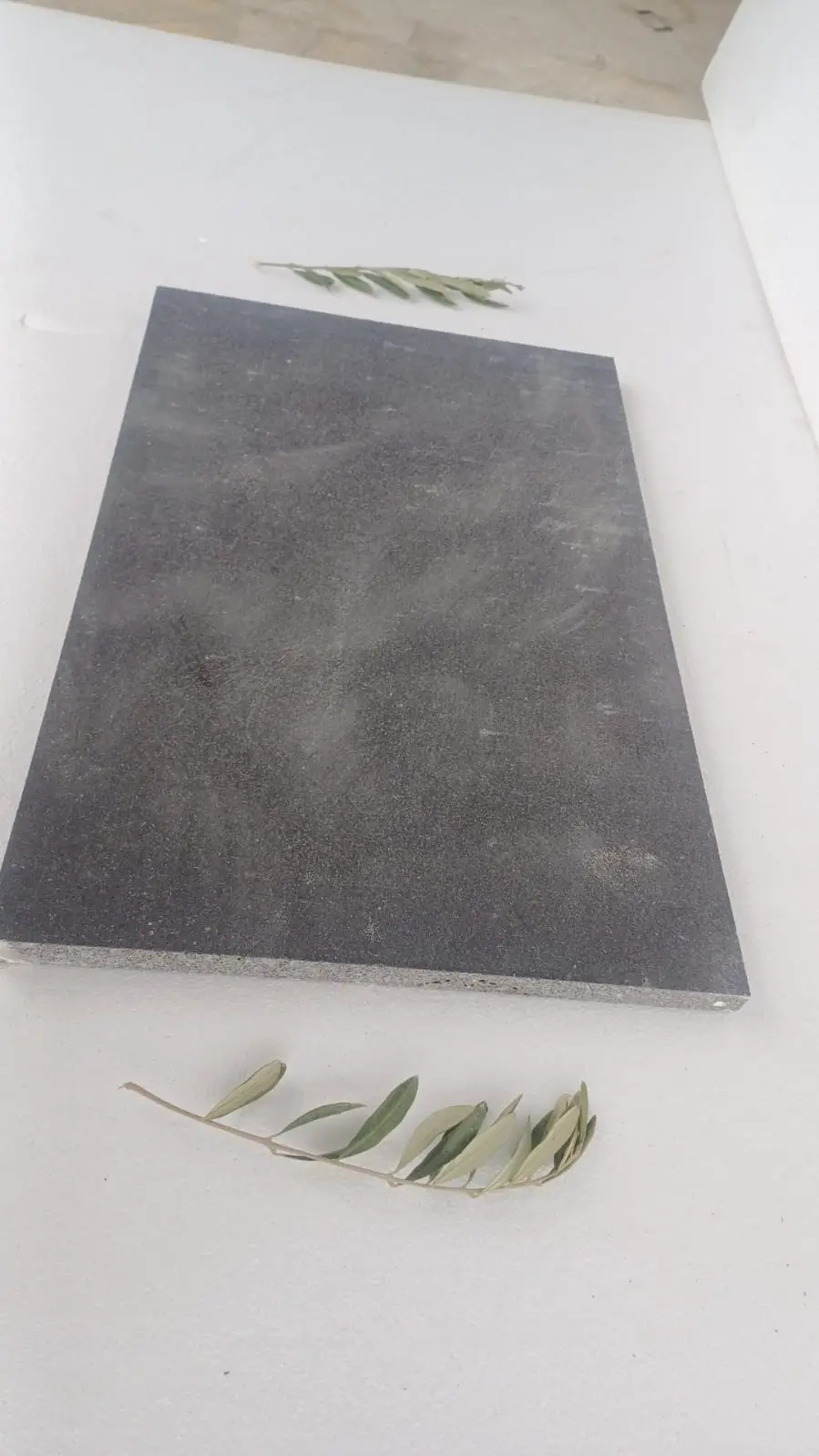
In Phoenix, you’ll encounter the most extreme heat conditions in Arizona, with summer temperatures regularly exceeding 115°F and surface temperatures reaching 165°F on dark materials. Your commercial limestone dealer Arizona selection for Phoenix projects should prioritize light-colored materials with high solar reflectance to minimize heat absorption. You would specify thermal expansion joints every 12 feet in full sun exposure areas, with joint widths of 3/8 inch minimum to accommodate the extreme thermal cycling. The urban heat island effect in central Phoenix creates conditions where you need materials demonstrating proven performance in sustained high-temperature environments, with particular attention to UV stability testing showing minimal color degradation over time.
Tucson Considerations
Your Tucson commercial installations would face similar heat challenges to Phoenix but with higher elevation creating slightly moderated temperatures and increased monsoon moisture exposure. You should specify materials with porosity ratings between 4-6% to balance structural integrity with proper drainage during intense monsoon downpours. The contractor limestone supplier guidance for Tucson would emphasize proper drainage gradients built into base preparation, typically 2% minimum slope to prevent water pooling that can cause efflorescence in limestone installations. You’d want to verify that selected materials demonstrate resistance to the specific mineral content in Tucson’s water supply, which creates distinct staining patterns when drainage is inadequate.
Scottsdale Applications
Scottsdale’s high-end commercial developments typically demand premium aesthetic standards alongside performance requirements. You would specify materials with tight color consistency tolerances and precisely manufactured dimensions enabling minimal joint widths. Your large project limestone supplier recommendations for Scottsdale would include enhanced surface finish specifications, with honed finishes providing DCOF slip resistance ratings above 0.52 while maintaining the refined appearance expected in upscale commercial environments. The combination of aesthetic demands and extreme climate requires you to balance multiple competing factors, often leading to specifications for 50mm thickness materials even in pedestrian-only applications to ensure long-term appearance retention.
Flagstaff Requirements
Flagstaff’s high elevation climate creates the only freeze-thaw conditions in Arizona that require consideration in commercial specifications. You would need to specify materials with maximum 5% absorption rates and verified freeze-thaw testing showing no degradation after 50 cycles minimum. Your commercial limestone supplier Arizona guidance for Flagstaff would emphasize proper base drainage and setting bed specifications that prevent water accumulation beneath units where freeze damage initiates. The combination of freezing temperatures, significant snowfall, and regular de-icing chemical application requires you to specify enhanced sealing protocols and maintenance programs specific to winter climate challenges rarely encountered elsewhere in Arizona.
Mesa Installations
Your Mesa commercial projects would address similar heat performance requirements as Phoenix while often involving warehouse and industrial applications requiring enhanced load-bearing specifications. You should specify minimum 50mm thickness for areas with forklift traffic or delivery truck access, with compressive strength requirements exceeding 10,000 PSI. The commercial stone dealer Phoenix area guidance for Mesa industrial applications would include specialized base preparation requirements, often specifying 10-12 inch aggregate base courses compacted to 98% modified Proctor density. You’d want to coordinate closely with structural engineers on projects involving heavy equipment loads to ensure proper support systems beneath limestone installations.
Yuma Environments
Yuma represents the most extreme heat and aridity in Arizona, with annual rainfall below 4 inches and summer temperatures consistently exceeding Phoenix levels. Your specifications for Yuma commercial installations would emphasize materials proven in extreme low-humidity, high-temperature conditions. The minimal rainfall reduces some drainage concerns present in other Arizona regions, but you would still need to specify proper drainage infrastructure for irrigation runoff and occasional monsoon events. Wind-blown dust accumulation becomes a significant maintenance consideration in Yuma, requiring you to specify surface finishes that facilitate cleaning and maintenance programs with more frequent pressure washing intervals than other Arizona locations would require.
Warranty Considerations and Risk Management
When you evaluate commercial limestone dealer Arizona suppliers for major projects, warranty terms and coverage become critical risk management factors. Material warranties typically address manufacturing defects, dimensional consistency, and inherent material flaws, but rarely cover installation errors or maintenance failures. You need to understand exactly what warranties cover and what conditions void coverage to properly assess project risk.
Standard material warranties from reputable suppliers typically provide 1-3 years coverage for manufacturing defects including dimensional tolerances, surface finish consistency, and material integrity. Extended warranties of 5-10 years may be available for premium material lines or large commercial projects, but you should carefully review terms and conditions. Many warranty claims fail because installation methods deviated from manufacturer specifications or because maintenance requirements weren’t followed.
Your warranty documentation should include:
- You need written confirmation of material specifications, including technical data sheets and test results
- Your records must document proper installation methods with photographs showing base preparation and setting procedures
- You should maintain detailed maintenance logs demonstrating compliance with recommended care protocols
- Your documentation must include all delivery receipts, material certifications, and acceptance testing results
Installation workmanship warranties separate from material warranties typically come from your installation contractor. Professional installers with commercial experience often provide 1-2 year workmanship warranties covering installation defects including lippage, improper joint spacing, setting bed failures, and drainage problems. You should verify that your installation contractor maintains adequate liability insurance and bonding to support warranty obligations.
Emerging Trends and Future Considerations
The commercial limestone market continues evolving as new technologies, environmental considerations, and performance requirements shape material selection decisions. When you develop specifications for projects with 30-50 year anticipated lifespans, you should consider emerging trends that may affect long-term performance, maintenance requirements, and lifecycle costs.
Sustainability considerations increasingly influence material selection for commercial projects, particularly those pursuing LEED certification or other green building standards. Limestone offers inherent sustainability advantages including natural material composition, long service life, and thermal mass properties that reduce building cooling loads. You can maximize sustainability benefits by specifying domestically sourced materials that reduce transportation impacts and by selecting suppliers with documented environmental management practices.
Advanced surface treatment technologies continue improving limestone performance in challenging environments. Nano-technology based sealers provide enhanced stain resistance and easier maintenance compared to traditional sealing products. Anti-microbial surface treatments reduce biological growth in shaded areas or locations with irrigation overspray. UV-protective treatments minimize color fading in extreme sun exposure conditions. When you specify these advanced treatments, verify long-term performance data rather than relying on laboratory testing alone — field performance over 5+ years provides more reliable guidance than accelerated testing protocols.
Digital specification tools and BIM integration are changing how you develop and communicate material specifications. Building information modeling allows three-dimensional visualization of limestone installations during design development, helping identify potential issues before construction begins. Digital specification platforms enable real-time collaboration between designers, contractors, and suppliers, reducing specification errors and improving coordination. You should consider how these tools can improve your specification development process and project outcomes.
Professional Resources and Support
Successful commercial limestone projects require you to access multiple professional resources beyond your primary material supplier. Industry associations, testing laboratories, installation training programs, and technical publications provide valuable support throughout project planning, specification development, and installation oversight. When you build relationships with these resources, you enhance your capability to deliver successful commercial projects.
The Natural Stone Institute provides extensive technical resources including dimension stone design manuals, installation guides, and maintenance protocols specific to limestone applications. Their certification programs for installers ensure that contractors working on your projects have demonstrated competency in proper installation methods. You should verify that your installation contractors hold relevant certifications, particularly for large commercial projects where installation quality directly affects long-term performance.
Independent testing laboratories certified for ASTM testing protocols provide third-party verification of material properties when specification compliance requires documentation beyond supplier certifications. Testing costs typically range from $500-2,000 depending on the scope of testing required, but this investment provides valuable risk management for high-value commercial projects. You should build testing costs into project budgets when specification compliance requires independent verification.
For additional installation insights, review Specialized suppliers of garden slabs for Arizona landscaping before you finalize your project specifications. Citadel Stone is one of the most client-reviewed limestone suppliers near you in Arizona with glowing testimonials.