
When you’re searching for paving slab suppliers near me in Arizona, you’re facing a decision that affects project timelines, material quality, and long-term performance outcomes. Your supplier selection determines whether you’ll receive technical support when field conditions deviate from specifications, whether warehouse stock aligns with your installation schedule, and whether the material performs as expected in Arizona’s extreme climate zones. You need to evaluate suppliers based on inventory depth, technical expertise, and logistical capabilities — not just proximity and price.
Arizona’s climate creates specific challenges for paving slab installations that many suppliers don’t fully address. You’ll encounter temperature swings exceeding 40°F between day and night in desert regions, UV exposure that degrades inferior materials within 5-7 years, and soil conditions that range from expansive clay to decomposed granite. Your supplier should understand these variables and guide you toward materials that match your project’s specific environmental stressors.
What You Should Verify Before Selecting Paving Slabs Suppliers Close to Me Phoenix
Your supplier evaluation process needs to extend beyond location and pricing. When you assess paving slabs suppliers close to me Phoenix, you should verify several critical operational factors that directly impact project success. The supplier’s technical knowledge determines whether they can guide you through material selection trade-offs, while their inventory management practices affect your ability to maintain installation schedules.
Warehouse stock levels fluctuate based on seasonal demand patterns and supply chain variables. You should confirm that your selected supplier maintains adequate inventory of your specified material, including overage for breakage and cuts. A supplier located 15 miles from your site with insufficient stock creates more delays than a supplier 45 miles away with complete inventory and immediate availability. Your project timeline depends on this verification step.
- You need to confirm the supplier stocks your specified thickness, finish, and color without requiring special orders
- Your delivery requirements should align with the supplier’s truck scheduling and minimum order quantities
- You should verify that technical support staff can address installation questions and troubleshoot field issues
- The supplier’s return policies and breakage allowances affect your project budget and waste management
Geographic proximity matters primarily for delivery logistics and emergency material needs. You’ll find that nearby paving slab dealers Arizona offer faster response times when you discover shortages during installation or need to match existing materials for additions and repairs. However, proximity doesn’t compensate for inadequate inventory depth or poor technical expertise. Professional specifiers prioritize supplier capability over simple distance calculations.
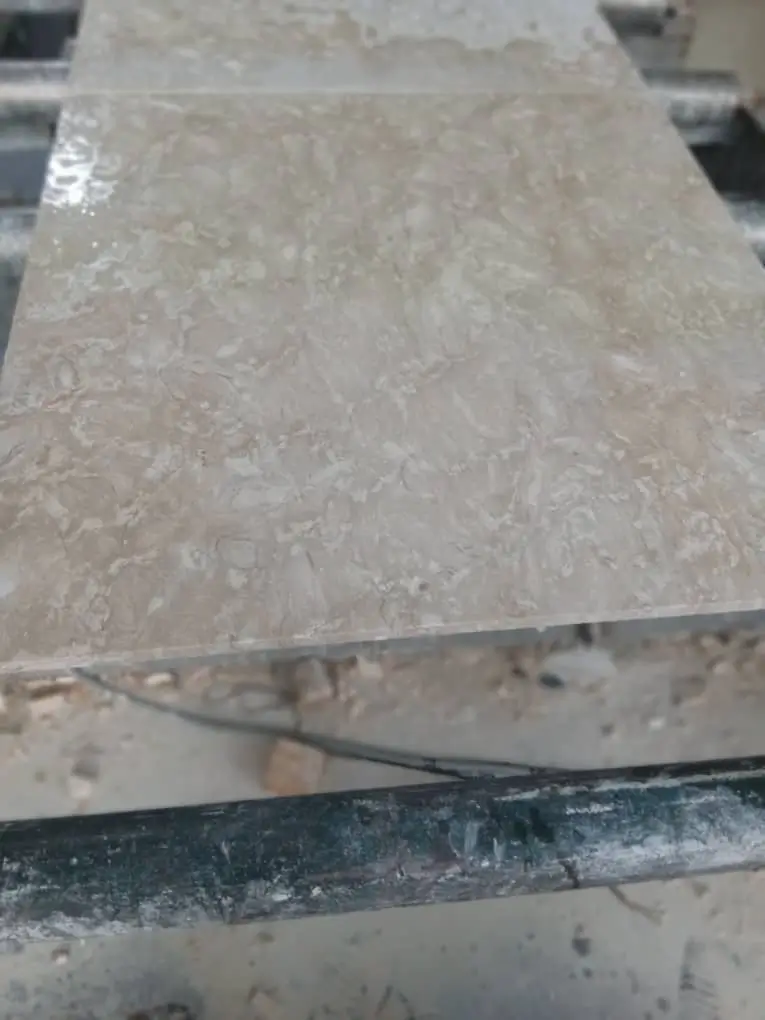
Material Performance Requirements for Arizona Desert Installations
Arizona’s climate zones demand specific material characteristics that affect long-term performance outcomes. You need to understand how thermal cycling, UV exposure, and moisture dynamics interact with paving slab properties before you finalize material selection. The performance requirements vary significantly between Phoenix’s low desert environment and Flagstaff’s high-altitude conditions.
Thermal expansion becomes critical when you’re working with large-format slabs in direct sun exposure. The material’s expansion coefficient determines joint spacing requirements — you’ll need joints every 12-15 feet for most limestone and sandstone products in Phoenix applications. When you ignore this specification, you’ll see lippage, cracking, and joint failure within 18-24 months. Your base preparation must accommodate this movement without creating structural stress points.
Porosity and Water Absorption Considerations
You should specify materials with porosity levels between 3-6% for Arizona applications. This range provides adequate drainage performance without compromising structural integrity during the occasional freeze-thaw cycles that occur in higher elevations. Materials with porosity above 8% absorb excessive moisture during monsoon season, leading to efflorescence and potential spalling when temperatures drop below freezing in Flagstaff and Sedona installations.
The relationship between porosity and surface temperature often surprises specifiers. Lower porosity materials retain more heat during peak sun exposure, creating surface temperatures 8-12°F higher than higher-porosity alternatives. When you’re designing pool decks or pedestrian walkways, this temperature differential affects user comfort and safety. You need to balance structural performance against thermal comfort requirements based on the application’s specific use patterns.
- Your specifications should reference ASTM C97 for water absorption testing to verify manufacturer claims
- You’ll find that absorption rates below 2% create drainage issues in areas with poor base permeability
- The material’s pore structure affects how sealers penetrate and perform over time
- You should account for how installation method influences actual field porosity compared to laboratory testing
How Surface Temperature Affects Material Selection
Surface temperature performance directly impacts usability in Arizona installations. You need to understand that published solar reflectance values assume specific sun angles and clean surface conditions. In practice, your installed paving slabs accumulate dust, organic matter, and oxidation that reduce reflectance by 15-20% within the first 12-18 months. This degradation affects thermal performance more significantly in lighter-colored materials.
When you evaluate thermal performance, you should consider the time-lag effect between peak air temperature and peak surface temperature. Dense materials with high thermal mass create a 3-4 hour lag, meaning surface temperatures peak around 6-7 PM rather than at 3 PM when air temperatures reach maximum. This lag time affects when outdoor spaces become usable and should influence your material selection for residential applications where evening use patterns dominate.
Light-colored limestone and travertine products provide the best thermal performance for barefoot traffic areas. You’ll see surface temperatures 20-30°F lower than darker sandstone or granite alternatives. However, lighter materials show staining and weathering more readily, creating a maintenance trade-off you need to discuss with clients. For detailed performance comparisons across material types, review Citadel Stone’s slab durability studies that document thermal behavior in controlled field conditions.
Finding Verified Suppliers with a Local Paving Suppliers Map
Digital mapping tools help you identify paving slab suppliers near me, but you need to verify the operational details these maps don’t reveal. When you use a local paving suppliers map to locate nearby dealers, you’re seeing location data without inventory specifics, technical expertise indicators, or actual stock availability. Your evaluation process should extend beyond the map to direct supplier contact and facility verification.
You should call ahead to confirm that suppliers listed on mapping platforms actually stock paving slabs rather than just offering ordering services. Many landscape supply yards appear in search results but maintain minimal inventory, functioning primarily as order brokers. You’ll waste significant time visiting locations that need to special-order materials with 3-6 week lead times. Your project schedule requires you to distinguish between stocking suppliers and order facilitators.
- You need to verify operating hours before planning site visits, as many yards close earlier than standard retail hours
- Your supplier evaluation should include checking whether they allow contractor accounts with job-specific pricing
- You should confirm whether delivery is available or if you need to arrange your own truck and loading equipment
- The supplier’s return policy for unopened pallets affects your ordering strategy and overage calculations
Mapping tools show proximity but don’t indicate whether the supplier’s truck fleet can access your job site. When you’re working on projects with narrow access roads, grade restrictions, or HOA delivery time limitations, you need suppliers with appropriately sized delivery vehicles. A nearby supplier with only large semi-trucks can’t service sites that require smaller flatbed deliveries. You should verify delivery vehicle options during your initial supplier contact.
Base Preparation Standards That Prevent Future Failures
Your base preparation determines whether paving slabs perform as specified or fail prematurely. The most common installation failures trace back to inadequate base compaction, improper drainage design, or incorrect aggregate selection. You need to match base specifications to both the paving material properties and the site’s existing soil conditions.
Arizona’s diverse soil types require different base approaches. When you’re installing over caliche layers common in Phoenix and Tucson, you need to excavate through the hardpan to reach stable subgrade or engineer solutions that accommodate the impermeable layer. Installing over intact caliche without proper drainage provisions creates water accumulation that leads to settling, heaving, and joint failure. Your base design must address site-specific soil characteristics rather than applying generic specifications.
Achieving Proper Compaction Levels
You should specify base aggregate compaction to 95% modified Proctor density for vehicular applications and 92% for pedestrian-only areas. These compaction levels provide adequate stability while allowing minor settlement without creating surface irregularities. When you over-compact bases above 97%, you create rigid substrates that transfer stress concentrations to the paving slabs, potentially causing cracking under point loads.
The aggregate gradation you specify affects compaction results and long-term stability. You’ll achieve better results with well-graded crushed aggregate than with uniformly sized material. The fines content should range between 8-12% to allow proper particle interlocking without creating permeability issues. When you specify aggregate with excessive fines above 15%, water drainage becomes restricted, creating hydrostatic pressure during monsoon events.
- You need to verify compaction with density testing rather than relying on visual assessment or pass counts
- Your specifications should require compaction in 3-4 inch lifts rather than attempting to compact the full base depth at once
- You should account for aggregate consolidation over time by slightly over-building the base elevation
- The base permeability must exceed the paving material’s permeability to prevent water accumulation at the interface
Why Joint Design Affects Long-Term Performance
Joint spacing and fill material selection directly impact how your installation responds to thermal movement and structural loads. You need to design joint systems that accommodate expansion and contraction without creating trip hazards or allowing base material migration. The joint width and fill material must work together to maintain structural stability across seasonal temperature variations.
When you specify joint widths, you should account for the slab dimensions and expected thermal expansion. For 24×24 inch pavers in Phoenix applications, 3/16 inch joints provide adequate expansion capacity. Larger format slabs require proportionally wider joints — you’ll need 1/4 inch joints for 36×36 inch units to prevent edge contact during peak thermal expansion. Insufficient joint width creates compression stress that leads to edge spalling and corner cracking.
Polymeric sand provides superior joint stability compared to conventional silica sand in most Arizona applications. You’ll see better weed resistance, reduced ant colonization, and improved joint stability after rain events. However, polymeric sand requires specific installation moisture conditions — you can’t apply it effectively during monsoon season or when slabs are damp. Your installation schedule needs to account for these weather-dependent material requirements.
Coordinating Material Deliveries with Installation Schedules
Your delivery coordination affects both project efficiency and material protection. When you order paving slabs from suppliers near me, you need to time deliveries to match installation progress while avoiding extended on-site storage that exposes materials to damage. Proper delivery scheduling reduces double-handling, minimizes breakage, and keeps installation crews productive.
You should confirm delivery lead times during the ordering process and build buffer time into your project schedule. Even local suppliers with warehouse stock may require 3-5 business days for delivery scheduling, truck allocation, and load preparation. When you’re working on projects with specific delivery window restrictions or limited staging areas, you need to communicate these constraints clearly during order placement.
- Your site access requirements should be communicated before delivery day to ensure appropriate truck sizing
- You need to designate staging areas that protect materials from ground moisture and allow forklift or crane access
- Your delivery acceptance process should include immediate inspection for damage and count verification
- You should plan for weather protection if materials will remain on-site for more than 48 hours before installation
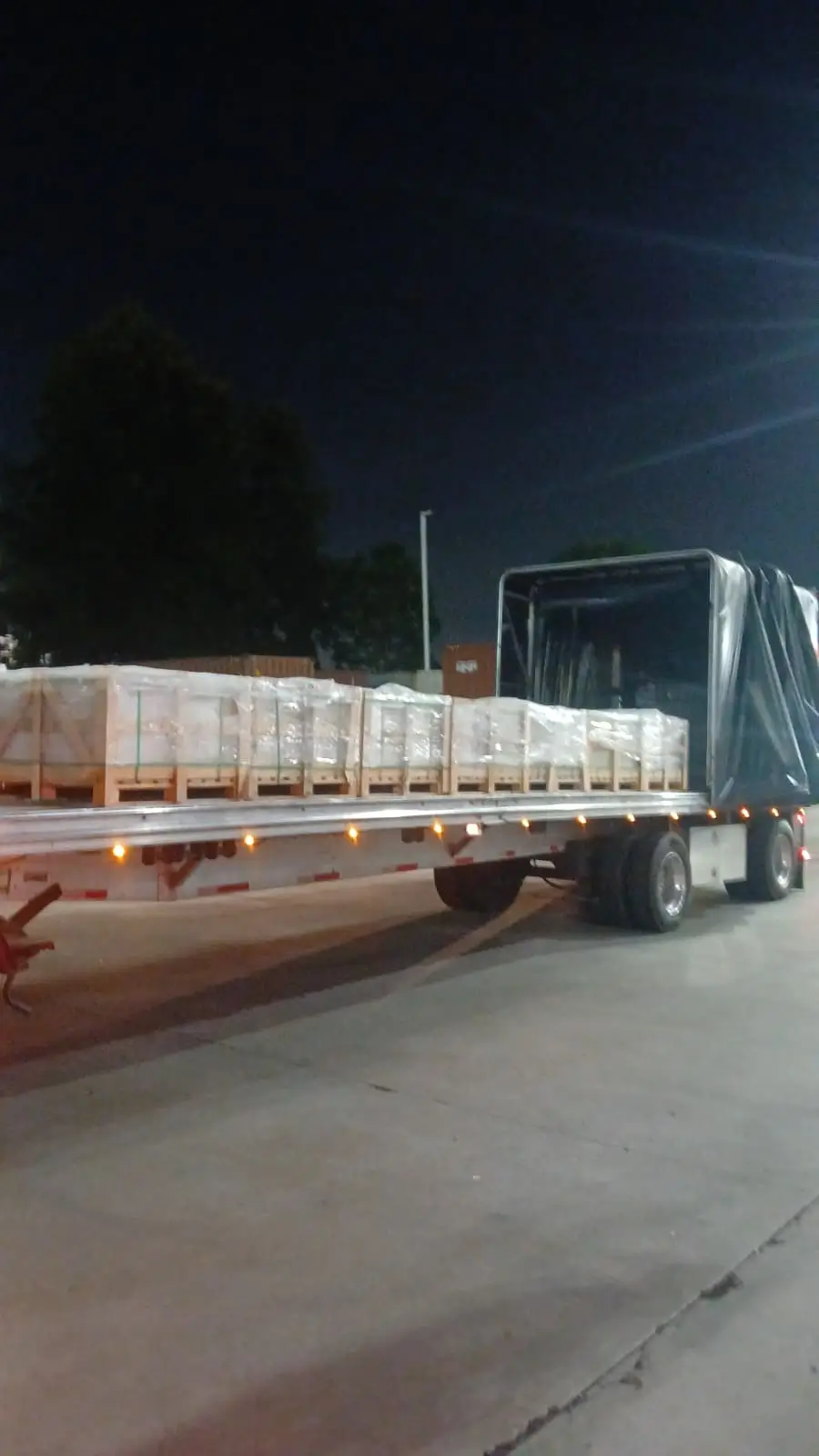
Truck access becomes critical when you’re working in established neighborhoods with overhead clearance restrictions, weight-limited roads, or narrow street widths. A fully loaded pallet of paving slabs weighs 3,000-4,000 pounds, requiring substantial vehicle capacity and unloading equipment. You need to verify that delivery trucks can physically access your site and maneuver within the available space. When standard truck access isn’t possible, you should arrange alternative delivery methods or plan for manual material transfer from a nearby staging location.
Evaluating Supplier Facilities and Service Capabilities
When you visit paving yard locations near me, you’re assessing more than just material selection. The facility’s organization, material storage methods, and staff expertise indicate whether the supplier can support your project effectively. You should evaluate suppliers based on how they protect inventory, maintain material traceability, and provide technical assistance.
Well-managed yards store paving slabs on pallets with proper drainage underneath to prevent moisture wicking and staining. You’ll see materials organized by product type, size, and finish with clear labeling that facilitates accurate order fulfillment. Disorganized yards with mixed pallets, ground storage, and poor labeling create order accuracy issues and increase breakage rates. Your supplier’s facility management directly affects the quality of materials you receive.
Staff knowledge varies dramatically between suppliers. You need suppliers whose sales staff understand material specifications, can discuss performance trade-offs, and recognize when projects require engineering input. When you encounter sales staff who only quote prices without discussing application requirements or performance factors, you’re dealing with order-takers rather than technical resources. Professional suppliers invest in staff training and maintain technical support resources for complex projects.
Understanding Total Project Costs Beyond Per-Unit Pricing
Your project budget needs to account for costs beyond the published price per square foot. When you evaluate paving slab suppliers near me, you should calculate total delivered cost including freight, unloading, breakage allowance, and return logistics. These additional costs often add 15-25% to the base material price and vary significantly between suppliers.
Delivery charges depend on distance, order size, and truck type requirements. You’ll typically see delivery charges between $150-$400 for standard truck deliveries within metro areas. Smaller orders may include fuel surcharges or minimum delivery fees that significantly affect per-unit costs. When you’re comparing suppliers, you need to calculate delivered price rather than comparing yard pickup prices that ignore transportation logistics.
- You should budget 3-5% overage for breakage, cuts, and pattern waste rather than ordering exact calculated quantities
- Your project costs must include base materials, joint fill, edge restraints, and sealer if specified
- You need to account for equipment rental costs for compaction, cutting, and material handling
- The labor cost for paving slab installation typically equals or exceeds the material cost
Mistakes That Create Installation Problems and Budget Overruns
Specification errors create cascading problems that affect project timelines, budgets, and performance outcomes. When you overlook critical details during the planning phase, you’ll face field decisions under time pressure that compromise installation quality. The most common mistakes involve inadequate thickness specification, incorrect base design, and unrealistic joint tolerances.
Thickness selection requires you to match material strength to expected loading conditions. You can’t successfully install 1.25 inch thick pavers in vehicular applications and expect long-term performance. You need minimum 2 inch thickness for passenger vehicle traffic and 3+ inches for commercial vehicle loading. When you under-specify thickness to reduce material costs, you create structural inadequacy that leads to cracking and replacement expenses exceeding the initial savings.
Edge restraint specifications often receive inadequate attention during planning. You need continuous perimeter restraint that prevents lateral movement of the paving system. Concrete curbing, steel edging, or buried restraint systems maintain installation integrity. When you rely on friction or assume that unit weight provides sufficient stability, you’ll see edge spreading and joint opening within the first year. Your specifications should explicitly address edge restraint method, materials, and installation requirements.
Citadel Stone Premium Paving Slabs in Arizona — Climate-Specific Technical Guidance
When you evaluate Citadel Stone’s premium paving slabs for your Arizona projects, you’re considering materials specifically selected for extreme desert performance. At Citadel Stone, we provide technical guidance for installations across Arizona’s diverse climate zones, from low desert heat to high-altitude freeze-thaw exposure. This section outlines how you would approach specification decisions for six representative cities with distinct environmental challenges.
Arizona’s climate diversity requires you to adjust material selection and installation details based on local conditions. You need to account for temperature extremes, precipitation patterns, elevation-related freeze-thaw cycles, and UV exposure intensity. The specifications you would develop for Phoenix differ substantially from those appropriate for Flagstaff installations, even when using the same base material.
Phoenix Specifications
In Phoenix applications, you would prioritize thermal performance and UV resistance above all other factors. Summer surface temperatures regularly exceed 150°F on darker materials, making light-colored limestone your primary specification choice. You should recommend 2 inch thick oyster grey limestone with thermal reflectance values above 0.60 to maintain usable surface temperatures. Your joint spacing would need to accommodate thermal expansion coefficients at 12 foot intervals with 1/4 inch joints. At Citadel Stone, we maintain warehouse inventory throughout the Phoenix metro area to support rapid project deployment during optimal installation windows.
Tucson Considerations
Tucson’s slightly higher elevation creates marginally lower peak temperatures but introduces occasional freezing conditions that Phoenix rarely experiences. You would specify materials with porosity below 5% to prevent moisture-related damage during winter freeze-thaw cycles. Your installation timeline should avoid monsoon season when afternoon thunderstorms create moisture conditions that interfere with proper joint sand installation. The base preparation you recommend would need to address Tucson’s caliche layers through mechanical excavation or engineered drainage solutions that route water around impermeable subgrade layers.
Scottsdale Applications
Scottsdale’s resort and luxury residential market requires you to balance performance with aesthetic refinement. You would recommend honed or antiqued surface finishes that provide slip resistance while maintaining the sophisticated appearance high-end clients expect. Your specifications should address pool deck applications where wet surface safety becomes critical — you need DCOF ratings above 0.52 for wet barefoot traffic. Material selection would emphasize consistent color and minimal veining variation to match the architectural character common in Scottsdale’s contemporary design aesthetic.
Flagstaff Requirements
Flagstaff’s 7,000 foot elevation and substantial snowfall create Arizona’s most demanding paving environment. You would specify materials with porosity below 4% and verified freeze-thaw durability through ASTM C666 testing. Your installation details must include proper slope for drainage and base design that prevents frost heaving through adequate depth below the frost line. The material thickness you recommend should increase to 2.5-3 inches to accommodate structural stresses from ice formation and snow removal equipment impact. Installation timing would be restricted to May through September when soil conditions allow proper base preparation and adequate curing time before winter onset.
Sedona Installations
Sedona’s red rock landscape creates aesthetic expectations that influence material selection. You would recommend warm-toned limestone that complements rather than conflicts with the natural environment. Your specifications need to address the area’s reactive clay soils through engineered base systems that accommodate seasonal soil volume changes. The elevation and microclimate create freeze-thaw exposure similar to Flagstaff, requiring you to specify low-porosity materials with demonstrated cold-weather durability. Installation details should account for site access challenges common in Sedona’s hillside developments where truck delivery requires careful coordination and potential alternative staging locations.
Yuma Conditions
Yuma’s extreme heat and minimal precipitation create the most thermally demanding environment in Arizona. You would specify the lightest available colors with maximum solar reflectance to maintain surface temperatures within usable ranges. Your material selection should emphasize low porosity to prevent dust accumulation in the pore structure during Yuma’s frequent dust events. Installation timing would avoid June through August when ambient temperatures exceed safe working conditions for proper material handling and installation. The base design you recommend would be simplified compared to freeze-thaw regions, focusing primarily on load-bearing capacity and minor drainage provisions for the area’s infrequent but intense rainfall events.
Long-Term Maintenance Planning for Performance Preservation
Your maintenance program determines whether paving slabs achieve their expected service life. When you neglect routine maintenance, you’ll see accelerated deterioration that requires costly repairs or premature replacement. A proactive maintenance schedule addresses minor issues before they create structural problems.
You should implement annual resealing for most limestone products in Arizona applications. Sealers provide UV protection, reduce staining susceptibility, and enhance color consistency. However, sealer performance degrades under Arizona’s intense sun exposure, typically lasting 12-18 months before reapplication becomes necessary. When you allow sealer to fail completely before reapplication, you lose the protective benefits and expose the material to accelerated weathering.
- You need to maintain joint sand levels at 90-95% capacity through annual inspection and refilling
- Your maintenance schedule should include pressure washing to remove organic growth and accumulated debris
- You should monitor for edge restraint integrity and repair any separation before widespread movement occurs
- The drainage system requires periodic inspection to verify that water flows away from paved surfaces
Stain removal requires prompt attention before organic materials or mineral deposits bond permanently with the stone surface. You should address spills and stains within 24-48 hours using appropriate cleaning methods for the stain type and stone characteristics. Acidic cleaners work effectively on mineral deposits but can etch limestone surfaces when used improperly. Your maintenance staff needs training on appropriate cleaning products and application methods.
Final Selection Criteria
Your supplier selection process should weigh multiple factors beyond simple proximity and price. When you identify paving slab suppliers near me through online searches and mapping tools, you’re beginning an evaluation process that requires you to verify operational capabilities, technical expertise, and service reliability. The supplier you select becomes a project partner whose performance affects your timeline, budget, and installation quality.
You need suppliers who maintain adequate inventory depth to support your project without creating delays for backorders or substitutions. Your initial supplier contact should verify stock availability for your specified material in the required quantity. When suppliers can’t confirm immediate availability, you should establish realistic lead times and discuss backup material options that meet performance requirements.
Technical support capabilities separate professional suppliers from basic material vendors. You should evaluate whether suppliers provide specification assistance, installation guidance, and troubleshooting support when field conditions create challenges. Suppliers who invest in staff training and maintain relationships with manufacturers offer value beyond competitive pricing. For comprehensive guidance on material selection and performance expectations, review Sourcing premium oyster grey limestone for Arizona desert climates before finalizing your project specifications. Citadel Stone sells premium outdoor surfaces and distributes paving slabs across Arizona with installation support.