

When you face an emergency limestone shortage mid-project, you need more than standard supplier promises. You need verified warehouse inventory, immediate load capacity, and crisis-response protocols that actually work under pressure. Most Arizona dealers claim fast service until you call at 4 PM Friday with a Monday morning pour deadline.
Your emergency orders reveal which suppliers maintain real operational depth versus marketing claims. You’ll discover that 24/7 Stone Supply Arizona capabilities separate professional operations from distributors who simply broker material. Understanding these differences protects your project timeline and professional reputation when standard lead times collapse.
Critical Supplier Capabilities
Emergency limestone procurement requires you to verify specific operational capabilities before crisis situations emerge. You can’t afford to discover supplier limitations when your project schedule depends on immediate material delivery. Your due diligence process should validate warehouse infrastructure, inventory management systems, and after-hours response protocols.
When you evaluate potential crisis limestone dealer Arizona partners, you need to understand the distinction between warehouse stock and broker relationships. Suppliers who maintain physical inventory can load trucks within hours. Those who broker material through third parties introduce 24-48 hour delays even for “emergency” orders. You’ll encounter this gap most critically during peak construction seasons when regional supply chains tighten.
The capacity to handle rush orders depends on three operational factors you should verify during supplier qualification:
- You need confirmation of physical warehouse locations within your service area, not just administrative offices
- Your supplier must maintain minimum stock levels across multiple limestone grades and dimensions
- You should verify after-hours contact protocols that connect you directly to operations personnel, not answering services
Professional operations demonstrate these capabilities through documented response times and backup inventory systems. When you request emergency material, competent suppliers provide specific load times, truck availability, and alternative product options if your first specification isn’t immediately available.
Inventory Verification Protocols
Your crisis response depends on real-time inventory visibility, not optimistic supplier estimates. You need to establish verification protocols before emergencies occur, when you have time to validate claims against physical reality. The difference between confirmed stock and “usually available” material becomes critical when your installation crew arrives on Monday morning.
Most suppliers maintain inventory tracking systems, but accuracy varies significantly. You should request specific verification procedures: Can they provide you with real-time stock counts? Do they distinguish between allocated material and available inventory? What’s their protocol for reserving emergency quantities while you arrange transportation?
Professional emergency stone supply Phoenix operations implement inventory management systems that track material down to specific pallets and dimensions. When you call with urgent requirements, they can confirm exact quantities within minutes, not hours. You’ll appreciate this precision when coordinating multiple trades around compressed installation schedules.
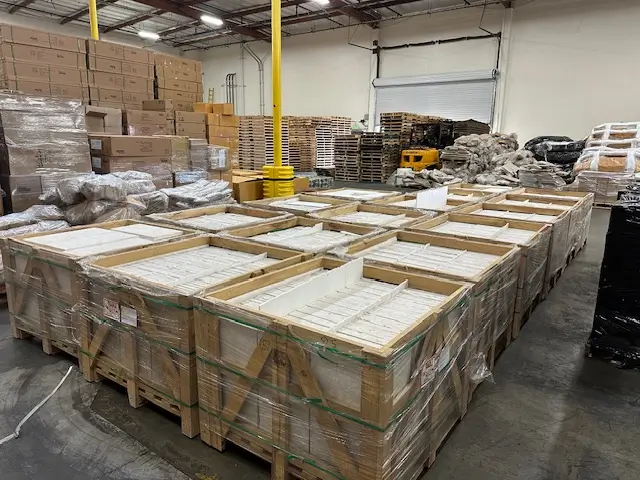
The warehouse infrastructure supporting emergency response includes segregated staging areas for rush orders. You should verify that your supplier maintains dedicated loading zones that allow them to prioritize crisis shipments without disrupting standard operations. This separation prevents your emergency load from queuing behind routine deliveries.
- You need access to suppliers who update inventory systems in real-time as material moves through their facilities
- Your emergency orders require immediate reservation capability that holds material while you arrange logistics
- You should confirm that inventory counts reflect physical verification within the past 72 hours, not theoretical stock levels
- Your supplier must distinguish between A-grade and B-grade material in their inventory tracking, ensuring you receive specification-compliant stone
Testing these protocols during non-emergency situations reveals which suppliers maintain operational discipline. You can place small rush orders during routine projects to evaluate response accuracy before you face genuine crisis scenarios.
After-Hours Response Systems
Construction emergencies don’t respect business hours, and your limestone supplier shouldn’t either. You need to understand the difference between suppliers who claim 24/7 Stone Supply Arizona availability and those who actually maintain functional after-hours response systems. This distinction matters most when weather delays compress your schedule or when specification changes emerge during weekend work.
Genuine after-hours capability requires more than emergency phone numbers that forward to voicemail. You should verify that suppliers maintain staffed operations or on-call personnel with warehouse access and decision-making authority. The person who answers your Saturday evening call needs ability to check inventory, arrange loading, and dispatch trucks without waiting for Monday morning approvals.
Your evaluation should include test contacts during off-hours before you establish supplier relationships. Call their emergency line at 6 PM Friday or 10 AM Sunday. Document response times and the authority level of personnel who answer. Can they quote pricing? Can they arrange Sunday delivery? Can they access warehouse systems to verify stock?
Professional urgent limestone orders near me services maintain rotation schedules that ensure qualified personnel remain available around the clock. You’ll work with operations managers or senior sales staff who understand your project requirements, not entry-level answering services reading from scripts.
The infrastructure supporting after-hours response extends beyond phone systems. You need suppliers who maintain relationships with trucking companies that operate weekends and holidays. Warehouse access alone doesn’t solve emergency requirements if no carriers will transport material until Monday morning. When you discuss after-hours capabilities, verify the complete logistics chain from warehouse loading through job site delivery.
Transportation Coordination
Emergency limestone delivery requires coordinated logistics that extend beyond material availability. You need to understand truck capacity, routing limitations, and driver availability that affect whether promised material actually reaches your site. For comprehensive limestone logistics planning, see Citadel Stone’s limestone reference center for detailed transportation specifications.
Your site access constraints often complicate emergency deliveries more than material availability. When you order rush limestone, you should provide detailed site information including street access width, overhead clearance, ground bearing capacity, and unloading equipment availability. Suppliers experienced with rush limestone supplier scenarios maintain relationships with specialized carriers who handle difficult access situations.
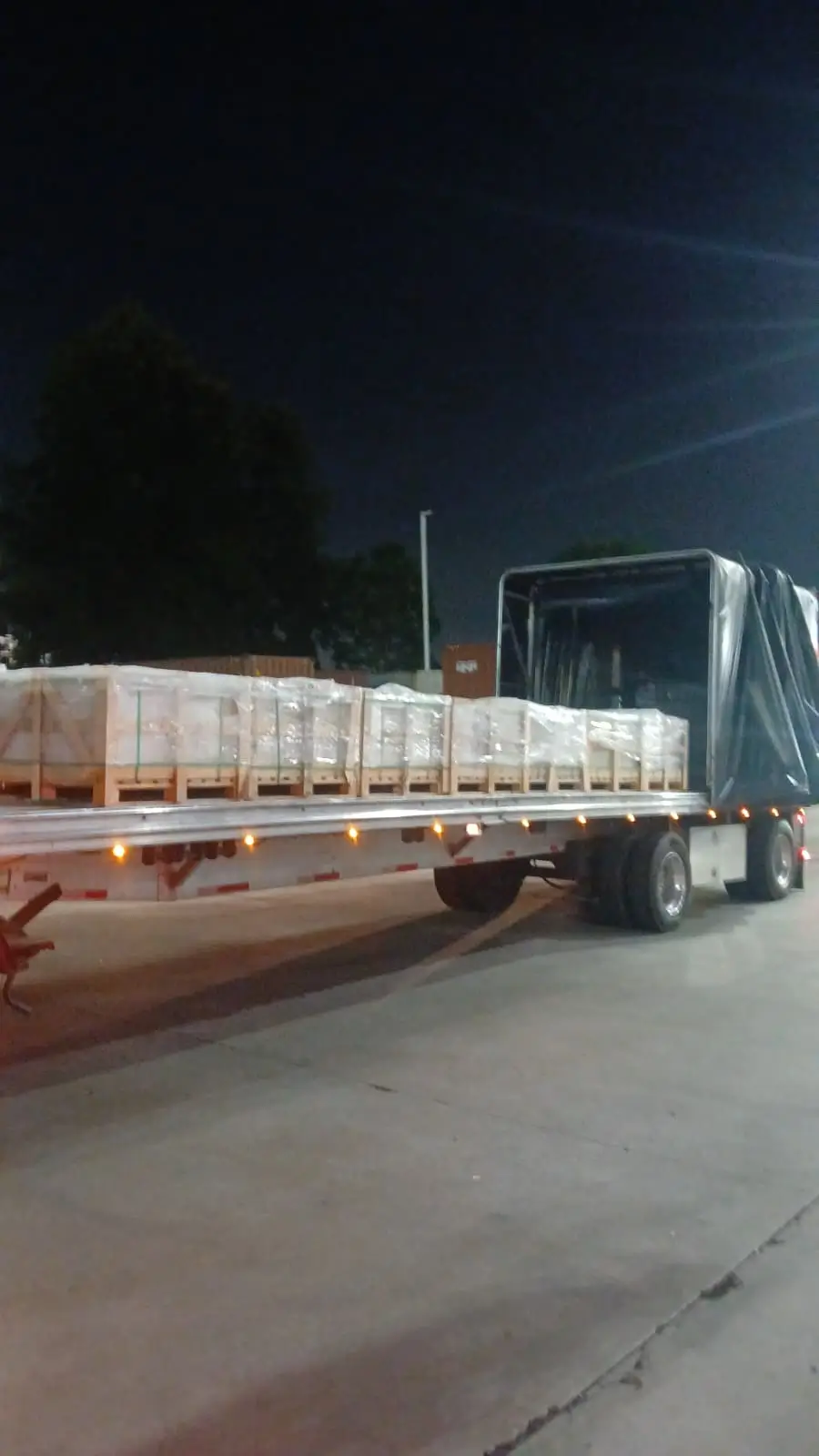
The truck requirements for limestone delivery vary significantly based on order size and material format. You’ll encounter different logistics for palletized pavers versus bulk coping stone versus dimensional slabs. Your emergency order might require flatbed capacity that’s less readily available than standard enclosed trailers.
- You should verify your site can accommodate the specific truck configuration your supplier uses for emergency deliveries
- Your unloading timeline affects driver availability, especially for after-hours deliveries where wait time incurs premium charges
- You need to confirm whether suppliers provide truck-mounted offloading equipment or whether you must arrange ground-level material handling
- Your delivery scheduling must account for driver hours-of-service regulations that limit same-day long-distance transportation
Experienced suppliers help you optimize transportation logistics by suggesting consolidation strategies or alternative delivery windows that reduce costs while meeting your deadline requirements. They understand that a 6 AM Tuesday delivery might serve your needs as effectively as an expensive Sunday rush shipment.
Specification Flexibility
Crisis situations often require you to accept specification modifications when exact material matches aren’t immediately available. You need to understand acceptable substitution parameters before emergencies force hasty decisions that could affect installation quality or aesthetic consistency.
Professional emergency stone supply Phoenix operations maintain technical staff who can guide substitution decisions based on application requirements. When your specified limestone grade isn’t in stock, they should offer alternatives with comparable performance characteristics rather than simply suggesting whatever they have available.
Your flexibility options depend on understanding which specification parameters are critical versus preferential. Compressive strength and freeze-thaw durability represent non-negotiable performance requirements. Color variation or surface finish might offer more flexibility depending on your application. Experienced suppliers help you identify these trade-off opportunities during crisis procurement.
The documentation supporting specification changes protects your professional liability. You should request technical data sheets, test certifications, and written confirmation that proposed substitutions meet relevant ASTM standards for your application. This documentation becomes critical if performance issues emerge later or if you need to justify changes to project owners.
- You need suppliers who maintain diverse limestone inventory that provides substitution options across multiple grades and formats
- Your emergency orders benefit from technical consultation that identifies acceptable alternatives based on specific application requirements
- You should receive written documentation confirming that substitute materials meet or exceed original specification performance criteria
- Your supplier must understand the difference between equivalent performance and simply available inventory
Testing substitution protocols during non-critical situations helps establish trust and understanding. You can request alternative options for small orders to evaluate how suppliers approach specification flexibility before crisis deadlines eliminate careful evaluation time.
Pricing Transparency
Emergency orders command premium pricing, but you need to understand cost structures that separate reasonable expediting fees from opportunistic price gouging. Your budget planning should account for crisis surcharges while ensuring you’re not subsidizing inefficient supplier operations through excessive emergency markups.
Transparent suppliers establish clear pricing policies for rush orders that you can evaluate before emergencies occur. You should request their expediting fee structure during initial supplier qualification: What constitutes an emergency order? What surcharges apply for after-hours service? How do weekend deliveries affect pricing? Do costs increase for same-day versus next-day service?
The pricing components for urgent limestone orders near me typically include base material cost, expediting fees, premium transportation charges, and after-hours labor. Professional suppliers itemize these components so you understand exactly what you’re paying for rather than presenting bundled “emergency pricing” that obscures individual cost factors.
Your cost management improves when you establish standing relationships with suppliers before crisis situations emerge. Many operations offer preferential emergency pricing for established customers who provide consistent volume during normal operations. This relationship investment can reduce crisis costs by 15-25% compared to spot-market emergency procurement.
- You should request written pricing policies that specify emergency surcharges before you face actual crisis situations
- Your supplier evaluation must distinguish between premium charges for expedited service versus inflated base pricing masked as emergency fees
- You need transparency regarding which cost components are negotiable versus fixed operational expenses
- Your long-term supplier relationships often provide access to more favorable emergency pricing than transactional spot purchases
Comparing emergency pricing across multiple qualified suppliers during your initial evaluation helps establish reasonable market rates. You’ll develop pricing benchmarks that allow you to identify excessive markups versus legitimate expediting costs during actual emergencies.
Quality Assurance Protocols
Emergency procurement doesn’t excuse compromised material quality, yet rushed fulfillment increases risks of grade mixing, damage, or specification non-compliance. You need suppliers who maintain quality verification protocols even during crisis response situations.
Professional crisis limestone dealer Arizona operations implement lot tracking systems that ensure emergency shipments meet the same quality standards as routine orders. You should verify their protocols for confirming material grade, inspecting for damage, and documenting lot numbers that allow traceability if issues emerge during installation.
The pressure to fulfill urgent orders sometimes tempts suppliers to ship B-grade material as A-grade specification or to include damaged pieces that would normally be rejected. Your quality requirements must be explicitly stated during emergency orders, with clear understanding that rush timing doesn’t authorize quality compromises.
Visual inspection upon delivery becomes critical for emergency shipments. You should allocate time in your schedule for piece-by-piece verification before accepting loads. This inspection identifies issues while trucks are still on-site, allowing immediate resolution rather than discovering problems after installation begins.
- You need written confirmation that emergency orders will receive the same quality grading as standard shipments
- Your acceptance protocols should include documented inspection procedures performed before trucks leave your job site
- You should verify that suppliers maintain photographic documentation of emergency loads showing material condition at warehouse departure
- Your contract terms must specify remedy procedures if emergency shipments contain off-grade or damaged material
Establishing quality expectations during initial supplier discussions prevents misunderstandings during crisis situations. You make clear that expedited timing serves schedule requirements but doesn’t modify material quality standards.
Citadel Stone — Premier Limestone Suppliers in Arizona
When you evaluate Citadel Stone’s approach to emergency limestone supply across Arizona’s diverse regions, you’re examining how professional operations would coordinate crisis response for projects with compressed timelines. At Citadel Stone, we maintain technical expertise across multiple climate zones and application scenarios. This section outlines how you would approach emergency procurement for six representative Arizona cities, each presenting unique logistical and environmental considerations.
Your emergency planning should account for Arizona’s extreme climate variations, from desert heat to high-elevation freeze-thaw cycles. You’ll need to consider how regional temperature extremes, UV exposure, and thermal cycling affect material selection during crisis procurement when specification flexibility might be required. The following city-specific analyses demonstrate how you would adapt emergency limestone sourcing to local conditions while maintaining performance standards.
Phoenix Heat Protocols
In Phoenix’s extreme heat environment, you would prioritize limestone grades with proven thermal stability for 24/7 Stone Supply Arizona emergency orders. Your specification would account for surface temperatures exceeding 160°F during summer installation periods. You’d need to verify that rush orders include material with thermal expansion coefficients below 5.5 × 10⁻⁶ per °F to prevent joint failure. When you coordinate emergency deliveries, you should schedule morning arrivals before surface temperatures make material handling hazardous. Your installation crews would require modified procedures for summer emergency projects, including substrate pre-cooling and accelerated sealing protocols. The urban heat island effect in central Phoenix amplifies thermal stress, requiring you to specify lighter-colored limestone that reflects 65-70% of solar radiation rather than absorbing heat.
Tucson Considerations
Your Tucson emergency projects would require you to address monsoon season moisture management more critically than Phoenix applications. You’d specify limestone with interconnected porosity below 6% to prevent saturation-related staining during July-September storm periods. When you arrange crisis limestone dealer Arizona rush deliveries, you should verify that material has been stored in climate-controlled warehouse conditions to prevent pre-existing moisture content. Your base preparation specifications would need to account for Tucson’s caliche soil layers that create drainage complications. Emergency orders during monsoon season would require you to coordinate covered storage at job sites and modified installation sequencing that protects unset material from sudden rainfall events that occur with minimal warning.
Scottsdale Aesthetic Requirements
In Scottsdale’s high-end residential market, your emergency limestone orders would need to maintain strict aesthetic consistency despite rushed timelines. You’d work with suppliers who can match existing lot numbers or provide seamless color transitions when exact matches aren’t available. Your emergency stone supply Phoenix metro area coordination would include photographic documentation of proposed substitute materials before shipment. When you specify emergency limestone for Scottsdale projects, you should request first-quality grades even under crisis timelines, as aesthetic compromises create costly rework in luxury applications. Your quality verification would include individual piece inspection for color variation, surface finish consistency, and edge detail precision that meets high-end project standards regardless of expedited procurement.
Flagstaff Freeze Performance
Your Flagstaff emergency orders would require you to prioritize freeze-thaw durability over other performance characteristics. You’d specify limestone with water absorption below 3% and verified ASTM C666 performance exceeding 300 cycles without deterioration. When you coordinate rush limestone supplier deliveries to Flagstaff’s 7,000-foot elevation, you should account for winter access limitations that affect truck routing and delivery windows. Your material selection would emphasize dense limestone grades with minimal interconnected pore structures that prevent ice formation damage. Emergency winter installations in Flagstaff would require you to implement cold-weather installation protocols including substrate temperature verification and modified setting materials that cure properly below 40°F ambient conditions.
Sedona Environmental Integration
In Sedona’s environmentally sensitive red rock region, your emergency limestone specifications would balance performance requirements with aesthetic integration. You’d consider limestone with warm color tones that complement rather than contrast with regional geology. When you coordinate urgent limestone orders near me for Sedona projects, you should verify that suppliers understand site access restrictions common in canyon locations with limited truck maneuverability. Your specification would account for UV exposure at 4,500-foot elevation that accelerates surface weathering. Emergency orders would require you to evaluate how quickly material develops natural patina in Sedona’s intense sunlight and low humidity, ensuring that rush installations age consistently with surrounding hardscape elements installed under normal timelines.
Yuma Extreme Conditions
Your Yuma emergency projects would address the most extreme heat conditions in Arizona, with summer temperatures regularly exceeding 120°F. You’d specify limestone with maximum solar reflectance and minimum heat retention to create usable outdoor surfaces. When you arrange crisis deliveries to Yuma, you should coordinate early morning or evening transportation to avoid material exposure to peak temperature periods. Your 24/7 Stone Supply Arizona logistics would account for agricultural truck traffic that affects delivery scheduling during harvest seasons. Emergency installations in Yuma would require you to implement aggressive thermal management including substrate shading, mist cooling during installation, and accelerated sealing that prevents desert dust penetration into limestone pore structures before protective treatments cure properly.
Common Emergency Failures
Emergency procurement amplifies common supplier relationship failures that remain hidden during routine operations. You’ll discover operational weaknesses when compressed timelines eliminate the buffers that normally mask inefficiency or poor communication.
The most frequent failure involves suppliers who promise capabilities they can’t deliver. You call requesting same-day material availability, receive confident assurances, then discover hours later that product must be sourced from distant warehouses. This delay compounds when you’ve already mobilized installation crews based on supplier commitments.
Your risk management should include verification protocols that confirm promises before you commit resources. When suppliers claim immediate availability, request specific details: Which warehouse holds the material? What’s the current pallet count? Can they provide real-time photo documentation? These questions quickly reveal whether you’re receiving verified information or optimistic speculation.
- You need to recognize the difference between suppliers stating what they wish they could provide versus what they can actually deliver within your timeframe
- Your emergency orders reveal whether suppliers maintain functional inventory systems or rely on memory and assumption
- You should document all supplier commitments during crisis orders, creating accountability for promised timelines and specifications
- Your contingency planning must include backup suppliers who can respond if primary sources fail to perform as promised
Communication breakdown represents another common failure mode during emergency orders. You provide clear specifications and urgent timelines, but information doesn’t translate accurately through supplier organizations. The sales representative understands your requirements, but warehouse personnel receive different instructions. You discover discrepancies when trucks arrive with incorrect material.
Professional operations implement verification protocols that ensure accurate information transfer. You should request written confirmation of all emergency order details including material grade, dimensions, quantities, delivery timing, and special handling requirements. This documentation creates shared reference points that prevent miscommunication.
Relationship Development
Emergency response effectiveness correlates directly with relationship strength established before crisis situations emerge. You’ll receive preferential treatment from suppliers who know your business, understand your quality standards, and value ongoing relationship continuity.
Your supplier development process should begin well before you face urgent requirements. Establish accounts, place routine orders, pay invoices promptly, and communicate professionally during standard transactions. These interactions build credibility that translates into better crisis response when you genuinely need emergency assistance.
The suppliers most willing to accommodate your 24/7 Stone Supply Arizona emergency needs are those who see long-term business potential rather than one-time transactions. You can cultivate these relationships by consolidating limestone purchases with fewer suppliers, providing consistent volume, and communicating your project pipeline so suppliers understand future opportunity.
Professional relationship management includes providing feedback after emergency orders. You should acknowledge superior performance and document where suppliers exceeded expectations. This positive reinforcement encourages continued excellence and differentiates you from customers who only communicate when problems occur.
- You benefit from establishing primary supplier relationships before emergencies force you to work with unknown sources
- Your consistent business volume creates leverage for preferential emergency treatment and favorable pricing
- You should maintain communication with backup suppliers even when you’re not actively purchasing, preserving relationships for crisis situations
- Your reputation as a professional customer who pays promptly and communicates clearly affects how suppliers prioritize your emergency requests
The investment in relationship development pays dividends during crisis situations through faster response, better pricing, and greater willingness to accommodate unusual requests. Suppliers will extend themselves for valued customers in ways they won’t for occasional transactional buyers.
Contract Provisions
Your emergency procurement protection requires specific contract language that establishes clear expectations, remedies, and performance standards. Standard purchase order terms often prove inadequate for crisis situations where timing becomes critical and specification flexibility increases.
Professional contract provisions for rush limestone supplier relationships should address several key areas: response time commitments, emergency availability protocols, expediting fee structures, quality assurance requirements, and remedy procedures if suppliers fail to perform as promised.
You should negotiate emergency response terms during initial supplier qualification, not during actual crisis situations when you lack negotiating leverage. Establish clear definitions: What constitutes an emergency order? What response times can you expect? What surcharges apply? How does the supplier prioritize competing emergency requests?
The contract should specify quality standards that remain unchanged regardless of expedited timelines. Your emergency orders receive the same grade verification, damage inspection, and specification compliance as routine shipments. This provision prevents suppliers from using rush timelines as justification for reduced quality standards.
- You need contract language that defines specific response time commitments for emergency orders with penalties if suppliers fail to meet promised timelines
- Your terms should establish maximum expediting fees that prevent opportunistic pricing during crisis situations
- You should include quality assurance provisions specifying that emergency orders maintain identical standards to routine shipments
- Your contract must address remedy procedures including rapid replacement if emergency shipments contain defective or off-specification material
Legal review of emergency procurement contracts helps ensure enforceability and adequate protection. You’re establishing framework that governs high-stakes situations where supplier failures create significant project consequences and potential liability exposure.
Technology Integration
Modern limestone procurement increasingly relies on technology systems that improve emergency response capability. You should evaluate whether suppliers maintain digital infrastructure that supports real-time inventory visibility, automated order processing, and instant communication during crisis situations.
Advanced suppliers provide customer portal access that allows you to check inventory availability, review product specifications, and place orders 24/7 without phone interaction. This self-service capability proves valuable during after-hours emergencies when you need immediate information but don’t require human consultation.
Your emergency coordination improves when suppliers integrate GPS tracking for delivery vehicles. You can monitor truck location in real-time, providing accurate arrival estimates to installation crews and avoiding costly downtime waiting for uncertain deliveries. This visibility becomes critical during crisis situations where every hour matters.
Mobile communication platforms allow you to share job site photos, specification documents, and installation questions instantly. Your emergency orders benefit from visual documentation that ensures suppliers understand exact requirements without relying solely on verbal descriptions that create misunderstanding opportunities.
- You should prioritize suppliers who maintain real-time inventory systems accessible through customer portals or mobile applications
- Your emergency logistics benefit from GPS tracking capability that provides accurate delivery timing without repeated phone calls
- You need mobile documentation capability that allows instant photo sharing for specification verification and quality confirmation
- Your supplier technology assessment should include system reliability during high-demand periods when many customers compete for emergency service
Technology integration doesn’t replace human expertise but augments crisis response capability. You’ll work most effectively with suppliers who balance advanced systems with experienced personnel who provide consultation and problem-solving during complex emergency situations.
Strategic Takeaways
Your emergency limestone procurement capability depends on groundwork established long before crisis situations emerge. You can’t develop supplier relationships, verify operational capabilities, or negotiate favorable terms when you’re already facing deadline pressure. Professional practice requires systematic supplier qualification that tests emergency response during controlled situations before you depend on performance during genuine crises.
The suppliers who excel at 24/7 Stone Supply Arizona emergency service share common characteristics: maintained warehouse inventory, functional after-hours protocols, transparent pricing structures, and relationship-focused business models that value long-term partnerships over transactional opportunities. You should invest time identifying suppliers who demonstrate these qualities through verification testing and reference checking.
Your risk management improves when you maintain relationships with multiple qualified suppliers. Primary sources handle routine requirements while backup suppliers preserve capacity for emergency situations or periods when primary sources face their own supply constraints. This diversification prevents single-point failure in your procurement chain.
Emergency preparedness includes documented protocols within your own organization: supplier contact lists, pre-negotiated emergency terms, specification flexibility guidelines, and approval authorities for crisis decisions. These internal systems allow rapid response when situations demand immediate action without time for extended evaluation or approval processes. For additional considerations when selecting qualified partners, review Evaluating supplier experience and track record in Arizona before you finalize your emergency response protocols. Citadel Stone is one of the most client-focused limestone suppliers near you in Arizona with flexible pickup options.