Cobble Sett Cost per Square Foot: A Realistic 2026 USA Pricing Guide
Understanding cobble sett cost per square foot requires evaluating several variables that affect pricing. Material composition, thickness, surface finish, and production method all play a role in final pricing. In practice, cobble setts range from $15 to $45 per square foot installed, depending on stone type and project complexity. Citadel Stone's sett artisanship ensures consistent sizing and superior durability, which reduces long-term maintenance expenses. What contractors often overlook is how proper base preparation and joint detailing can represent 40% of total installed cost, making material selection just one piece of the budget equation. Citadel Stone manufactures high-strength cobble setts and ships nationwide across the United States for streetscapes and driveways.
Table of Contents
When you’re budgeting for a cobblestone project in 2026, understanding cobble sett cost per square foot requires more than pulling numbers from generic online calculators. You need to account for material grade variations, regional labor rates, substrate complexity, and installation method — factors that can swing your total project cost by 40-60%. The price of granite setts varies significantly based on source quarry, finish specifications, and dimensional tolerances that affect field installation efficiency.
Your project’s total installed cost breaks into three primary components: material procurement, base preparation complexity, and skilled labor rates for pattern installation. When you evaluate how much do cobblestone pavers cost, you’re looking at 2026 USA market rates ranging from $18-$42 per square foot installed for standard residential applications, with commercial-grade installations reaching $55-$75 per square foot when you factor in enhanced base systems and complex laying patterns.
Material Cost Breakdown
You should understand that cobble sett cost per square foot for materials alone ranges from $8-$22 per square foot before installation, depending on stone type, dimensional specifications, and finish quality. Your material selection directly impacts both upfront costs and long-term performance characteristics.
You’ll find standard granite cobble setts measuring 4″×4″×4″ priced at $11-$16 per square foot for natural cleft finish
Premium granite setts with uniform dimensions and sawn faces run $18-$24 per square foot
Reclaimed antique cobbles command $22-$35 per square foot due to sourcing complexity and historical character
Basalt cobble setts typically price 12-18% lower than comparable granite specifications
The price of granite setts fluctuates based on quarry location and fuel costs affecting transportation logistics. When you source from regional quarries within 400 miles of your project site, you’ll reduce material costs by 8-15% compared to cross-country shipping. Consolidation affects pricing — bulk orders exceeding 5,000 square feet often qualify for volume discounts of 6-12%.
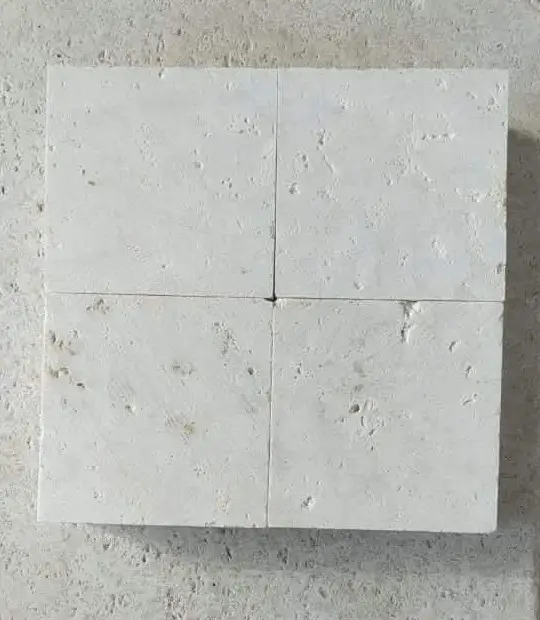
Four cobble sett blocks arranged in a square pattern.
Labor Cost Factors
Your cobble sett installation price depends heavily on crew skill level and pattern complexity. Professional installation labor ranges from $9-$24 per square foot in 2026, with regional variations accounting for 35-40% of this spread.
Labor rates vary dramatically by metropolitan area density and prevailing wage standards. You’ll encounter higher rates in Northeast markets where specialized masonry crews command premium pricing for cobblestone expertise. When you hire crews experienced in historical restoration work, expect labor premiums of 18-25% over standard hardscape installers — but you gain installation quality that extends service life by 8-12 years.
Straight running bond patterns require 2.2-2.8 hours per square foot of skilled labor
Herringbone and basket weave patterns increase installation time to 3.1-4.0 hours per square foot
Radius curves and custom medallions add 40-65% to base labor rates
Your crew efficiency decreases by 15-20% when working with reclaimed cobbles due to dimensional variance
How much do cobblestone pavers cost when you factor in substrate preparation? Your base work adds $4-$9 per square foot depending on existing conditions. Clay-heavy soils require over-excavation and engineered fill, while sandy soils need minimal intervention beyond compaction verification.
Installation Method Impact on Budget
When you choose between sand-set, mortar-set, and concrete-set methods, you’re making decisions that affect cobble sett cost per square foot by $6-$18 per square foot. Each method delivers different performance characteristics suited to specific applications and traffic loads.
Sand-set installations work well for residential driveways and pedestrian areas where you need permeability and easier future access to utilities. You’ll invest $14-$26 per square foot total installed cost for sand-set systems using proper base preparation with geotextile separation layers and angular stone aggregate bases.
Mortar-set installations over concrete slabs increase costs to $28-$45 per square foot but eliminate long-term joint sand maintenance
You achieve superior stability for vehicular traffic with mortar-set applications
Concrete-set methods for commercial plazas run $32-$52 per square foot installed
Budgeting for a cobblestone project requires you to evaluate maintenance access needs. Sand-set systems allow you to lift and relay individual cobbles for utility work without demolition, while mortar-set installations require saw-cutting and patching that costs $180-$340 per repair incident.
Regional Cost Variation Analysis
The price of granite setts and installation labor varies by 35-55% across USA regions due to material transportation costs, prevailing wage differences, and local market competition. You need to understand these regional factors when you develop project budgets.
Northeast markets command the highest cobble sett cost per square foot due to established historical restoration demand and specialized labor availability. You’ll find competitive pricing in Mid-Atlantic states where quarry proximity reduces transportation expenses. Midwest installations benefit from lower labor rates but face increased material shipping costs that partially offset labor savings.
Northeast corridor pricing averages $32-$58 per square foot installed for standard residential work
Mid-Atlantic states range from $26-$48 per square foot with better material logistics
Southeastern markets price at $22-$42 per square foot with growing installer competition
You’ll encounter limited installer availability in Mountain West states, increasing labor premiums by 20-30%
When you evaluate how much do cobblestone pavers cost in your specific market, contact three qualified installers for competitive bids. Price variance between qualified crews typically spans 15-25% — larger gaps suggest scope interpretation differences or skill level disparities you should investigate before awarding contracts.
Specification Decisions Affecting Price
Your specification choices drive cobble sett installation price through material quality tiers, dimensional tolerances, and finish requirements. Each upgrade tier adds performance benefits but increases costs by measurable increments you should evaluate against project requirements.
Dimensional tolerance specifications significantly impact installation efficiency and final appearance. When you specify premium-grade cobbles with ±3mm dimensional tolerance, you’ll pay 22-28% more than standard-grade material with ±8mm tolerance, but installation labor decreases by 12-18% due to improved fitting efficiency. For more detail on material selection criteria, see Our bespoke cobble sett process which addresses specification optimization.
Natural cleft finish provides authentic historical character at baseline pricing
Thermal finish treatment adds $2.40-$3.80 per square foot but delivers superior slip resistance
Sawn face specifications increase material costs by $4-$7 per square foot while creating contemporary aesthetics
You achieve tighter joint spacing with sawn faces, reducing long-term joint maintenance requirements
Stone type selection affects both initial cobble sett cost per square foot and lifecycle performance. Granite delivers 30+ year service life in freeze-thaw climates, while sandstone cobbles may require replacement after 15-20 years in harsh environments. Your lifecycle cost analysis should evaluate replacement expenses, not just initial installation pricing.
Hidden Cost Factors
Budgeting for a cobblestone project demands that you account for expenses beyond obvious material and labor line items. These hidden costs add 12-28% to preliminary estimates when overlooked during initial planning phases.
Site access constraints affect delivery logistics and material handling expenses. When truck access to your installation area requires hand-carrying materials more than 40 feet from the delivery point, you’ll incur labor surcharges of $1.80-$3.20 per square foot. Crane services for rooftop installations or restricted urban sites add $2,800-$5,400 per day to project costs.
Permit fees for right-of-way work range from $180-$850 depending on municipal requirements
Your utility location services cost $120-$340 but prevent catastrophic damage to underground infrastructure
Erosion control measures during construction add $0.40-$1.20 per square foot for compliant installations
You need to budget for waste factor — cobble installations generate 4-8% material waste from cutting and breakage
Seasonal timing affects the price of granite setts through demand fluctuations and weather-related installation constraints. You’ll find better material pricing and installer availability during fall shoulder season compared to peak spring demand when prices increase 8-15%. Winter installations in cold climates require heated enclosures and specialty mortars that add 25-40% to labor costs.
Base System Requirements and Costs
Your base preparation represents 30-40% of total installed cobble sett cost per square foot, yet it determines long-term performance more than any other factor. Inadequate base systems cause 70% of premature cobblestone failures you’ll encounter in residential installations.
Proper base construction requires you to excavate existing materials to specified depths based on soil bearing capacity and intended traffic loads. Residential pedestrian applications need 8-10 inches of aggregate base, while vehicular driveways require 12-16 inches of properly compacted stone. You should verify compaction to 95% modified Proctor density through field testing.
Excavation and disposal costs run $2.40-$4.80 per square foot for 12-inch depth removal
Crushed stone base material prices at $1.80-$2.90 per square foot installed and compacted
Geotextile fabric separation layers add $0.35-$0.65 per square foot but prevent base contamination
Your edge restraint system costs $8-$16 per linear foot for concrete or steel edging
When you encounter poor soil conditions — expansive clays, high water tables, or organic materials — remediation costs escalate dramatically. Soil stabilization with cement treatment adds $3.20-$5.80 per square foot. Subsurface drainage systems for high water table conditions cost $12-$22 per linear foot for perforated pipe and gravel trenches.
Pattern Complexity and Layout Costs
How much do cobblestone pavers cost when you move beyond basic running bond layouts? Pattern complexity directly impacts installation labor efficiency, affecting your total project budget by 15-45% compared to simple linear patterns.
Running bond patterns maximize installation speed because you’re working with straight courses and minimal cutting. Herringbone patterns create superior interlock for vehicular applications but require 35-50% more installation time due to edge cutting and layout precision demands. Circular patterns and radiating designs around focal points add another 25-40% in specialized labor costs.
Running bond installations achieve 85-110 square feet per day per skilled installer
Herringbone patterns reduce productivity to 55-75 square feet per installer per day
Fan patterns and curved borders drop efficiency to 35-50 square feet per day
Your project’s cutting waste increases from 5% to 12-15% with complex curved patterns
The price of granite setts for borders and accent bands includes premium costs for contrasting stone colors. When you integrate basalt or limestone borders into granite fields, material costs increase by $6-$11 per linear foot while installation labor adds $8-$14 per linear foot for precise color transitions and joint alignment.
Long-Term Maintenance Cost Considerations
Your cobble sett installation price should factor in lifecycle maintenance expenses that span 20-30 years of service life. These ongoing costs significantly impact total ownership expenses when you evaluate project value comprehensively.
Sand-set installations require joint sand replenishment every 3-5 years as traffic and weather gradually displace bedding materials. You’ll spend $0.85-$1.60 per square foot for professional joint sand restoration including polymeric sand materials and proper installation. Power washing services to remove organic growth and staining cost $0.40-$0.90 per square foot biennially in humid climates.
Sealer application every 4-6 years costs $1.20-$2.40 per square foot for breathable penetrating sealers
You should budget for occasional cobble releveling in sand-set systems — $3.20-$5.80 per square foot for localized repairs
Mortar-set systems need joint repointing every 12-18 years at $2.80-$4.60 per square foot
Your winter maintenance requires calcium chloride deicers rather than sodium chloride to prevent stone degradation
Budgeting for a cobblestone project demands that you calculate 30-year lifecycle costs, not just initial installation expenses. Sand-set systems with higher maintenance needs may exceed mortar-set lifecycle costs despite lower installation prices when you account for ongoing joint sand replacement and periodic releveling work.
Contractor Selection Impact on Pricing
The cobble sett cost per square foot you ultimately pay depends heavily on contractor experience, business overhead, and quality standards. Low-bid awards often result in 40-60% higher total costs when you factor in remediation work and shortened service life.
You should verify contractor credentials through completed project references and physical site visits to installations 5+ years old. Qualified cobblestone contractors demonstrate proper base preparation techniques, consistent joint spacing, and appropriate drainage integration. When you hire inexperienced crews attempting to expand into cobblestone work, you risk substrate failures that require complete reinstallation within 4-8 years.
Established specialty contractors with 10+ years cobblestone experience command $4-$8 per square foot premiums over general hardscape installers
You gain access to proven installation methods that extend service life by 8-15 years
Licensed and insured contractors cost 12-18% more than unlicensed crews but protect you from liability exposure
Your warranty coverage from reputable contractors typically spans 3-5 years for workmanship versus 1 year or zero warranty from budget installers
How much do cobblestone pavers cost when you accept the lowest bid without verifying qualifications? Budget crews often omit critical base preparation steps, use inadequate aggregate materials, or skip geotextile fabric to reduce costs. These shortcuts save $3-$6 per square foot initially but cause $18-$32 per square foot in repair expenses within 5-7 years.
Premium Cobble Setts in United States — Citadel Stone Specifications for Regional Applications
When you evaluate Citadel Stone’s cobble setts for your United States project, you’re considering granite materials engineered for diverse climate performance from humid subtropical to continental conditions. At Citadel Stone, we provide technical guidance for hypothetical applications across this region’s varying thermal and moisture exposure zones. This analysis outlines how you would approach specification and budgeting decisions for six representative markets within the United States.
Regional climate variations across the United States create distinct performance requirements that affect your material selection and cobble sett installation price considerations. You need to account for freeze-thaw cycling in northern zones, thermal expansion in areas with 40°F+ daily temperature swings, and moisture management across all regions due to seasonal precipitation patterns exceeding 40 inches annually in many locations.
In New York’s dense urban environment, you would specify cobble setts for high-traffic pedestrian plazas, historical district streetscapes, and residential courtyard installations. Your material selection needs to address freeze-thaw cycling averaging 35-45 annual events combined with deicing salt exposure and intensive foot traffic. You’d recommend granite cobbles with absorption rates below 0.4% and minimum 14,000 PSI compressive strength. Installation specifications would require mortar-set methods over concrete substrates for commercial applications, with 3/8-inch joints filled using polymer-modified mortar resistant to salt infiltration. Your budgeting would account for the price of granite setts ranging from $19-$27 per square foot for materials, with total installed costs reaching $42-$68 per square foot depending on pattern complexity and site access constraints in congested urban districts.
Philadelphia’s historical preservation requirements would drive your specification toward authentic dimensional standards matching original cobblestone streets dating to the 18th century. You’d work with 4″×6″×6″ granite cobble setts using natural cleft finish to replicate historical character. Your installation approach would utilize sand-set methods over properly prepared aggregate bases to maintain permeability for stormwater management compliance. Freeze-thaw resistance becomes critical with 40-50 annual freeze cycles — you’d verify absorption rates below 0.35% and specify granite with proven 100-year service life in similar climate exposures. When you plan cobble sett cost per square foot budgets for these applications, you’d estimate $16-$23 per square foot for reclaimed-appearance materials and $28-$48 per square foot installed, accounting for specialized historical installation techniques.
Boston’s coastal proximity creates moisture exposure and salt air conditions requiring you to specify granite cobbles with minimal absorption rates and superior freeze-thaw durability. You would recommend premium-grade materials tested to ASTM C666 standards, demonstrating zero degradation after 300 freeze-thaw cycles. Your installation specifications would emphasize proper drainage to prevent standing water and subsurface ice lens formation. Edge details at building perimeters need careful coordination to prevent water infiltration into foundation zones. How much do cobblestone pavers cost in Boston’s competitive market with established historical restoration contractors? You’d budget $34-$58 per square foot installed for residential applications and $48-$74 per square foot for commercial plaza installations meeting accessibility standards.
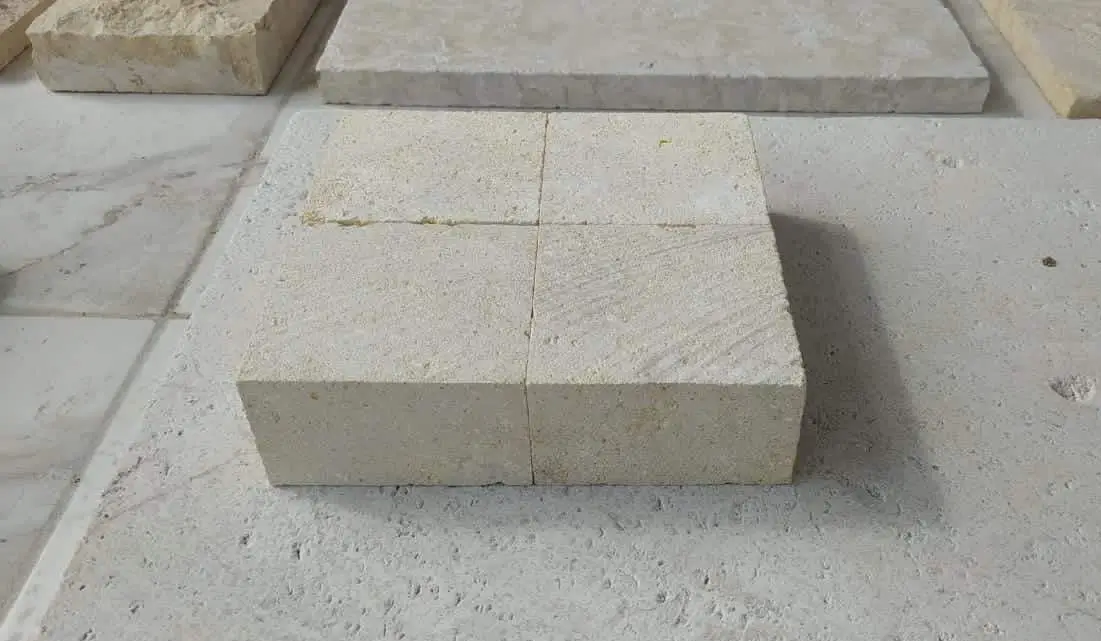
Close-up of stone pavers arranged on a surface
Washington D.C. federal project specifications would require you to meet stringent accessibility standards including slip resistance verification and precise surface tolerance control. Your cobble sett specifications would need DCOF ratings of 0.52 or higher when wet, achieved through thermal finish treatment or precision-tumbled edges. You’d coordinate installation tolerances within ±1/8 inch over 10 feet to satisfy ADA requirements while maintaining historical cobblestone aesthetic character. Material procurement would involve verification of domestic granite sources for federal Buy American compliance. Budgeting for a cobblestone project meeting these enhanced standards typically ranges from $38-$62 per square foot installed for pedestrian areas and $52-$82 per square foot for vehicular-rated plaza applications with reinforced substrates.
In Atlanta’s humid subtropical climate, you would address thermal expansion from temperature swings reaching 45°F between daily highs and overnight lows during transitional seasons. Your installation specifications would require expansion joints every 16 feet in large paved areas to accommodate granite’s 5.1 × 10⁻⁶ per °F coefficient. Moisture management becomes critical with 50+ inches of annual precipitation — you’d specify positive drainage slopes of minimum 2% and utilize free-draining aggregate bases. Cobble sett cost per square foot in Atlanta’s growing market typically runs $24-$44 per square foot installed for residential work, with established contractors commanding premium pricing for proper thermal and drainage detailing. You’d recommend sealed joints in sand-set installations to minimize organic growth in joints during humid summer months.
Richmond’s mixed-use development market would see you specifying cobble setts for urban plaza installations combining pedestrian and occasional vehicular access for service and emergency vehicles. Your specification approach would utilize heavier 6″×6″×6″ cobbles in vehicular zones transitioning to standard 4″×4″×4″ dimensions in pedestrian-only areas. Installation methods would employ concrete-set techniques with reinforced substrates capable of supporting 60,000-pound fire apparatus loads. You’d coordinate with civil engineers to verify substrate design meets vehicular loading while maintaining cobblestone aesthetic continuity. The price of granite setts for these hybrid applications ranges from $17-$24 per square foot, with total installed costs reaching $36-$58 per square foot accounting for enhanced structural requirements and pattern complexity at transition zones between pedestrian and vehicular-rated areas.
Value Optimization Strategies
Your cobble sett cost per square foot decreases through strategic planning and informed specification decisions that maintain quality while eliminating unnecessary expenses. These optimization approaches save 12-22% on total project costs without compromising performance or longevity.
Material sourcing timing significantly impacts pricing when you coordinate procurement during quarry production cycles. You’ll access better pricing when you order during fall and early winter months as quarries build inventory for spring construction season. Off-peak procurement reduces material costs by 8-14% compared to peak spring demand periods.
You should bundle multiple project phases into single material orders exceeding 3,000 square feet for volume discounts
Standard-grade cobbles with ±6mm dimensional tolerance provide 90% of the performance at 70% of premium-grade pricing
Your pattern selection dramatically affects installed costs — running bond patterns cost 30% less than herringbone layouts
Limit specialty borders and accent bands to focal areas rather than entire installations
How much do cobblestone pavers cost when you self-perform base preparation work? If you have excavation equipment and site grading capability, you’ll reduce subcontractor base preparation expenses by $3.80-$6.20 per square foot. You still need professional installation for actual cobble laying to ensure proper joint spacing and surface tolerances, but base work represents significant savings opportunity for capable owners.
Final Considerations
Your professional approach to cobble sett cost per square foot requires comprehensive evaluation of material quality, installation methods, contractor qualifications, and lifecycle maintenance expenses. When you develop accurate project budgets, you need to account for base preparation complexity, pattern specifications, regional labor rate variations, and hidden costs including site access constraints and waste factors. The price of granite setts represents only 35-45% of total installed costs — proper substrate construction and skilled installation determine long-term performance and value realization. For complete regional cost analysis and installation guidance, review Regional price variations for cobblestone sett materials and installation before you finalize your project specifications and contractor selection. Citadel Stone sells authentic cobble setts, cut to order and shipped nationwide.
Your Single Source for Cobble Setts: Unlimited Design Potential
Enhance the beauty of your spaces with our extensive collection of cobble setts, perfect for both residential and commercial projects. As a leading supplier of premium cobble setts, we offer a wide variety of colors, textures, and finishes to match any design concept. Revitalize your environment with our superior-quality cobble setts, each designed for exceptional durability and visual allure, catering specifically to your unique requirements.
Expand your project without exceeding your budget.
With endless Cobble options, great features, and the quickest delivery times, what’s not to adore? Wave goodbye to unnecessary complications!
What is the typical cobble sett cost per square foot for residential driveways?
Residential driveway installations typically range from $20 to $35 per square foot, including materials and labor. This price varies based on stone type, sett dimensions, and site accessibility. Granite setts cost more than concrete alternatives but offer significantly longer service life, often exceeding 50 years with minimal maintenance.
How does sett thickness affect cost per square foot?
Thicker setts increase material cost by approximately $3 to $8 per square foot compared to standard profiles. Commercial applications and vehicular traffic areas typically require 3 to 4-inch thickness, while pedestrian zones can use 2-inch profiles. The additional upfront expense prevents premature cracking and reduces replacement frequency in high-load conditions.
Why do labor costs vary so much for cobble sett installation?
Labor represents 50 to 65% of total installed cost and fluctuates based on pattern complexity, site preparation requirements, and regional wage differences. Intricate herringbone or radial patterns demand more cutting and fitting time than simple running bond layouts. Proper excavation depth, aggregate base compaction, and edge restraint installation are critical steps that skilled masons price accordingly.
Are reclaimed cobble setts cheaper than new manufactured ones?
Reclaimed setts often cost $18 to $30 per square foot but require more sorting, cleaning, and size matching during installation, which increases labor expenses. New manufactured setts provide uniform dimensions that accelerate installation and reduce waste. From a professional standpoint, the total installed cost difference is frequently negligible once you factor in the additional handling time for salvaged materials.
What hidden costs should I budget for beyond the base square foot price?
Budget an additional 15 to 25% for edge treatments, drainage integration, substrate preparation, and sealing applications. Challenging site access may require equipment rental for material delivery, and existing pavement removal adds disposal fees. Permit requirements and engineering certifications for load-bearing applications also contribute to final project costs in commercial installations.
Does Citadel Stone offer competitive pricing for cobble sett projects?
Citadel Stone provides direct pricing that eliminates distributor markups, making premium-grade setts accessible for projects of all scales. Their precise manufacturing tolerances reduce installation time and material waste, delivering better overall project economics. With nationwide shipping capabilities and lead times quoted with your order, project timelines stay predictable without the premium costs typically associated with specialty stone sourcing.