
When you’re working with natural flagstone in Arizona’s architectural landscape, you’ll quickly discover that precision edge cutting separates professional installations from amateur attempts. Flagstone bridge saw cutting Arizona delivers the straight edges and consistent dimensions your high-end projects demand, transforming irregular natural stone into architectural-grade paving material. You need to understand how automated sawing equipment, blade selection, and cutting parameters interact with Arizona’s predominant sedimentary stone varieties to produce edges that maintain structural integrity while meeting aesthetic specifications.
The challenge you face isn’t just achieving a straight cut—it’s maintaining edge quality across varying stone densities, managing thermal stress during high-volume production, and coordinating warehouse inventory with project timelines that don’t tolerate delays. Your specification decisions regarding edge treatment affect everything from joint consistency to long-term performance, particularly in Arizona’s extreme thermal cycling environment where poorly cut edges can telegraph stress fractures within 18-24 months.
Bridge Saw Mechanics for Natural Stone
Bridge saw equipment for flagstone straight cutting operates on fundamentally different principles than tile saws or masonry saws you might use for other materials. The bridge configuration suspends the cutting head above a stationary stone bed, allowing you to process large-format flagstone slabs that measure 4-8 feet in length without repositioning. You’ll find this setup critical for maintaining cut accuracy across the full length of irregular flagstone pieces.
The saw head travels along precision rails while diamond-impregnated blades spin at 1,800-2,400 RPM, depending on stone density and desired edge finish. When you’re processing Arizona sandstone or limestone flagstone, you need blade peripheral speeds between 8,000-12,000 surface feet per minute to achieve clean cuts without excessive chipping. Lower speeds create rough edges that require secondary grinding operations, while excessive speeds generate heat that can cause micro-fracturing in sedimentary stone structures.
- You should specify blade diameter based on maximum flagstone thickness—14-inch blades handle material up to 3 inches thick effectively
- Your water delivery system must provide 3-5 gallons per minute directly to the cutting interface to control dust and manage thermal stress
- Feed rates between 6-18 inches per minute allow you to balance production speed with edge quality across varying stone densities
- Blade arbor rigidity affects cut precision—lateral deflection beyond 0.008 inches creates visible edge irregularities in finished installations
What catches most specifiers off-guard is how blade selection for flagstone machine cutting interacts with Arizona’s sedimentary stone characteristics. The calcium carbonate content in regional limestone creates different cutting dynamics than silica-heavy sandstones from northern Arizona quarries. You’ll need to adjust blade matrix hardness and diamond concentration based on the specific stone you’re processing—soft matrix blades with high diamond concentration for dense limestone, harder matrix with lower concentration for abrasive sandstones.
Edge Quality Specifications
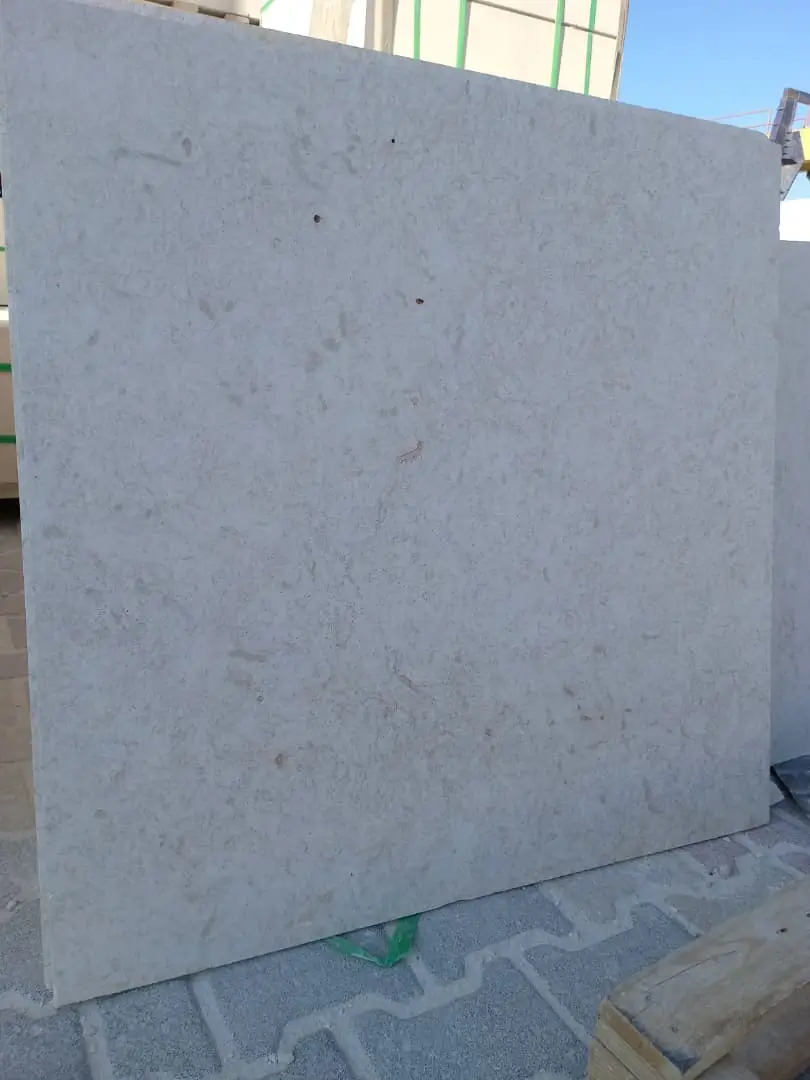
Your edge quality requirements for flagstone precision edges need to address three distinct characteristics: dimensional tolerance, surface finish, and edge integrity. Most specifications focus exclusively on dimensional accuracy while ignoring surface finish parameters that directly affect joint appearance and long-term performance. When you specify flagstone bridge saw cutting Arizona for commercial projects, you should define acceptable edge deviation as ±1/16 inch over any 4-foot length, with surface roughness not exceeding Ra 250 microinches for premium applications.
Edge integrity becomes critical in freeze-thaw environments like Flagstaff and higher elevations where compromised edges create water infiltration pathways. You need to verify that cutting operations don’t create subsurface micro-fractures extending more than 1/8 inch beyond the visible cut line. These hidden fractures aren’t apparent during initial inspection but propagate during thermal cycling, leading to edge spalling that appears 2-4 years post-installation.
The relationship between blade wear and edge quality follows a predictable degradation curve that you should factor into production planning. Fresh diamond blades produce edges within ±0.015 inches of target dimension with minimal chipping. As blade wear progresses beyond 40% of service life, you’ll see dimensional variance increase to ±0.045 inches and chip-out frequency triple. For projects requiring consistent edge appearance, you need to establish blade replacement protocols based on linear feet cut rather than arbitrary time intervals.
Cutting Parameters for Arizona Stone
Arizona’s flagstone varieties demand specific cutting parameters that differ significantly from granite or marble processing standards. Sedimentary stones prevalent in Arizona deposits—primarily sandstone, limestone, and occasionally quartzite—exhibit layered structures that respond differently to cutting forces depending on orientation. When you set up flagstone automated sawing operations, you need to identify bedding plane orientation and cut perpendicular to these planes whenever possible to minimize delamination risk.
- You should maintain blade depth 1/8 inch beyond full stone thickness to ensure complete cutting without requiring secondary passes
- Feed rate adjustments of 20-30% are necessary when cutting across visible lamination layers compared to cutting parallel to bedding planes
- Water temperature control between 65-75°F prevents thermal shock in dense limestone varieties common to southern Arizona quarries
- Blade lateral runout exceeding 0.012 inches creates washboarding effects visible in reflected light on honed edge surfaces
What professional fabricators understand is how Arizona’s ambient conditions affect cutting operations differently than humid climates. The state’s low humidity allows stone to dry rapidly between cuts, but also means that insufficient water delivery creates dust that embeds in diamond matrices, effectively glazing the blade surface. You’ll need water flow rates 15-20% higher than manufacturer base recommendations to compensate for rapid evaporation, particularly during summer months when shop temperatures exceed 95°F.
The silica content in northern Arizona sandstones creates blade wear patterns distinct from calcium-rich southern limestone. When you process high-silica flagstone, you’re looking at blade life reduction of 30-40% compared to limestone cutting. This affects your cost calculations and production scheduling—verify material composition before committing to fixed-price cutting services. For comprehensive material sourcing options and current availability, review wholesale paving flagstone pricing in Peoria to understand how material characteristics affect both cutting requirements and project costs.
Production Efficiency Considerations
Your production planning for flagstone straight cutting needs to account for setup time, cut time, and material handling time as distinct components. Setup time for bridge saw operations—including stone positioning, measurement verification, and fence adjustment—typically consumes 4-8 minutes per piece for irregular flagstone compared to 1-2 minutes for pre-squared slabs. When you’re processing 200-300 pieces for a large paving project, this setup differential translates to 10-20 additional labor hours that affect project economics.
Actual cutting time varies based on stone thickness, blade condition, and required edge finish. You can expect 12-18 seconds per linear foot for 2-inch thick Arizona sandstone at optimal feed rates, increasing to 20-28 seconds per foot for 3-inch limestone that requires slower feeds to prevent chipping. These times assume sharp blades and proper equipment setup—degraded equipment performance can double cutting times while producing inferior edge quality.
Material handling logistics often represent the bottleneck in high-volume production scenarios. Your workflow needs to minimize double-handling by positioning rough flagstone for efficient loading onto saw beds, then staging cut pieces for direct loading onto delivery trucks. Shop layout that requires moving cut stone multiple times reduces effective production capacity by 25-35% compared to optimized flow-through configurations. Warehouse organization becomes critical when you’re managing multiple projects with different stone varieties and cut specifications.
Common Cutting Mistakes
The most frequent error you’ll encounter in flagstone machine cutting involves attempting to cut stone with excessive speed to boost production throughput. Aggressive feed rates create chip-out along the exit edge where the blade completes its cut through the stone. This exit chipping isn’t repairable and necessitates either accepting substandard edge quality or re-cutting the piece with appropriate feed parameters. You should establish feed rate protocols that prioritize edge quality over production speed—the cost of rejected pieces far exceeds time saved through aggressive cutting.
- Inadequate water flow allows blade segments to overheat, causing diamond pullout that destroys edge finish quality and reduces blade life by 40-60%
- Cutting multiple passes to reach full depth creates visible step marks in edge surfaces that become pronounced after weathering exposure
- Neglecting blade tensioning verification allows lateral wobble that produces wavy edges requiring expensive grinding corrections
- Processing flagstone with bedding planes parallel to the cut direction invites delamination failures that appear weeks or months after cutting
Another critical mistake involves insufficient support for flagstone during cutting operations. Natural flagstone pieces often have irregular thickness variations across their surface. When you position these pieces on bridge saw beds without proper shimming to eliminate rocking, vibration during cutting transfers through the stone structure and creates micro-fractures that compromise long-term durability. Professional operations use pneumatic bladder systems or dense foam pads that conform to irregular stone bottoms while providing uniform support during cutting.
Blade Selection Parameters
Your blade selection for flagstone precision edges requires matching diamond concentration, matrix hardness, and segment geometry to specific stone characteristics. Arizona limestone with Mohs hardness 3-4 responds optimally to blades with 25-30 concentration (25-30% diamond content by volume) in medium-soft metal matrices. These specifications allow the matrix to wear at rates that continuously expose fresh diamond particles for efficient cutting. When you use blades designed for harder stone on soft limestone, the matrix wears too slowly, glazing occurs, and cutting efficiency drops by 50% or more.
Conversely, northern Arizona sandstone with higher silica content and Mohs hardness 6-7 demands harder matrices with 35-40 concentration to prevent excessive diamond pullout. The abrasive nature of silica-rich stone wears both diamonds and matrix rapidly—you’ll see blade life reduced to 60-70% of what you’d achieve cutting limestone of equivalent thickness. This affects your cost analysis when comparing material options for large projects where cutting costs represent significant budget components.
Segment geometry affects cutting speed and edge finish quality through kerf width and segment height specifications. Narrow kerf blades (0.120-0.140 inches) reduce material waste and cutting resistance but offer less lateral stability during cutting. You’ll find these appropriate for thin flagstone under 1.5 inches thick where lateral deflection forces remain manageable. Thicker flagstone benefits from wider kerf blades (0.160-0.180 inches) that provide greater rigidity and resist deflection under the increased cutting forces required for deeper cuts.
Dimensional Consistency Challenges
Achieving consistent dimensions across multiple flagstone pieces cut from the same rough slab presents challenges that don’t exist with manufactured materials. Natural stone thickness varies by 1/4 to 3/8 inches across a single piece, creating complications when you need uniform finished dimensions. Your cutting strategy needs to account for whether you’re targeting consistent top surface elevation or consistent total thickness in the finished installation.
When you specify cutting for installations where top surface consistency matters most—such as pool decks or entries where tripping hazards must be eliminated—you need to orient each rough piece on the saw bed with the desired surface down and cut excess material from the bottom. This approach maintains the natural weathered or textured top surface while creating a consistent bottom plane for setting. The trade-off is increased material waste because you’re removing variable amounts from each piece based on its thickest point.
- Your specification should clarify whether dimension tolerance applies to minimum thickness, maximum thickness, or average thickness across each piece
- Cutting operations must account for 10-15% material loss when creating consistent-thickness pieces from naturally irregular flagstone
- Automated positioning systems reduce setup time by 40% when processing multiple pieces to identical dimensions
- Digital measuring systems with 0.001-inch resolution ensure you maintain specified tolerances across production runs exceeding 500 pieces
The warehouse logistics for maintaining cut-to-size inventory become increasingly complex as you manage multiple projects with different dimension requirements. You need inventory tracking systems that identify not just stone type and color, but also cut specifications and project allocation. Mixing pieces intended for different projects creates costly sorting operations and potential shortages that delay project completion.
Citadel Stone Natural Flagstone Arizona Specification Guide
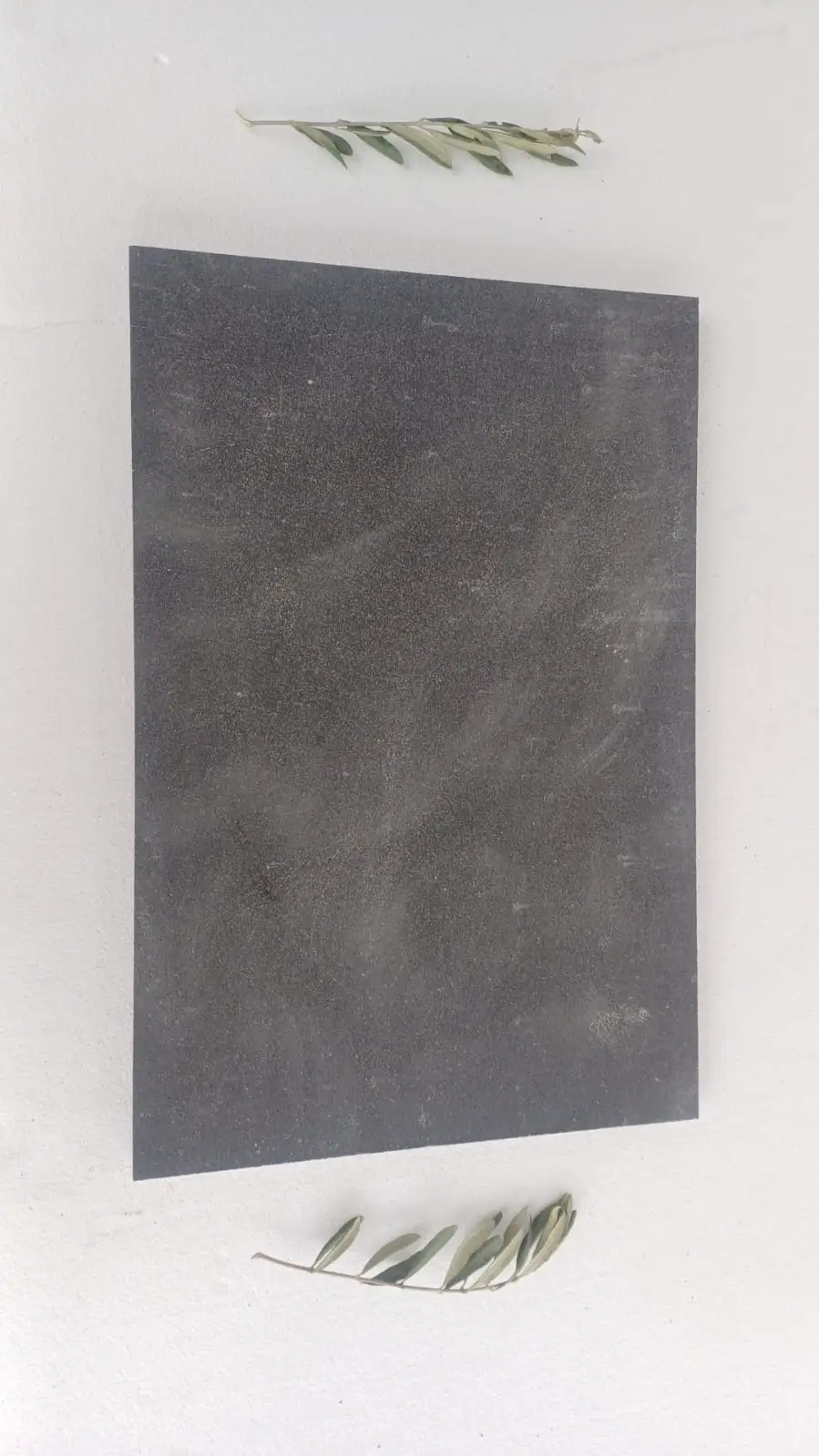
When you consider Citadel Stone’s natural flagstone for your Arizona project, you’re evaluating premium materials that combine aesthetic versatility with proven durability across the state’s diverse climate zones. At Citadel Stone, we provide technical guidance for hypothetical applications across Arizona’s varied environments, from low desert installations to high-elevation mountain settings. This section outlines how you would approach specification decisions for six representative cities, addressing the climate factors, material considerations, and installation parameters that affect long-term performance.
Your material selection process should account for how Arizona’s elevation gradients create distinct micro-climates within relatively short distances. Temperature differentials between Phoenix at 1,100 feet elevation and Flagstaff at 7,000 feet drive fundamentally different thermal cycling patterns that affect flagstone behavior. You need to evaluate how flagstone automated sawing precision contributes to joint consistency that accommodates these regional variations in thermal expansion without compromising structural integrity.
Phoenix Heat Management
In Phoenix’s extreme heat environment, you would need to address thermal mass properties that create surface temperatures 25-35°F above ambient air temperature during peak summer months. Your flagstone specification should prioritize lighter-colored varieties that reflect rather than absorb solar radiation, keeping surface temperatures within ranges suitable for barefoot traffic. Natural flagstone in buff or tan tones typically maintains surface temperatures 15-20°F cooler than darker gray varieties under identical exposure conditions. You should verify that your selected material demonstrates thermal conductivity below 1.8 BTU/(hr·ft·°F) to ensure comfortable surface characteristics during summer use. The precision edges from flagstone bridge saw cutting Arizona become critical here because consistent joint widths allow uniform sand fill that contributes to overall thermal performance.
Tucson Monsoon Considerations
Tucson’s monsoon season creates unique water management requirements that you would address through both material selection and installation detailing. Your specification would need to account for intense rainfall events that deliver 1-2 inches of precipitation within 30-60 minutes, creating substantial surface runoff and potential subsurface saturation. Natural flagstone with porosity between 4-7% provides adequate water absorption to moderate runoff while maintaining structural integrity during wet conditions. You would want to ensure that your installation includes proper base drainage capable of handling 15-20 gallons per minute per 100 square feet of paving during peak storm events. The straight edges achieved through flagstone precision edges allow you to maintain consistent 3/8-inch joints that facilitate drainage without creating trip hazards.
Scottsdale Luxury Standards
In Scottsdale’s high-end residential market, you would need flagstone that meets aesthetic expectations while delivering performance appropriate for premium outdoor living spaces. Your material selection would emphasize color consistency, minimal natural fissures, and edge quality that supports upscale design intent. At Citadel Stone, we recommend specifying natural flagstone pieces with dimensional tolerances within ±1/8 inch to ensure the refined appearance luxury clients expect. You should require cut edges that exhibit less than 5% chip-out area to maintain the clean lines essential for contemporary landscape designs. Surface finish specifications would typically call for honed or thermal surfaces rather than rough natural splits, with slip resistance maintained above 0.45 DCOF for pool deck applications.
Flagstaff Freeze-Thaw Durability
Flagstaff’s elevation and climate create freeze-thaw conditions that occur 80-100 times annually, requiring you to specify natural flagstone with proven durability under cyclic freezing. Your material selection must prioritize stones with less than 3% water absorption to prevent ice formation within pore structures that causes spalling and delamination. You would need to verify that your selected flagstone demonstrates compressive strength exceeding 12,000 PSI and flexural strength above 1,800 PSI to withstand the mechanical stresses imposed by ice formation. Edge integrity becomes particularly critical in freeze-thaw environments—the precision achieved through flagstone machine cutting minimizes edge damage that creates water infiltration pathways. You should specify sealed joints using polymeric sand or urethane products that remain flexible through temperature swings from -10°F to 90°F across Flagstaff’s annual range.
Sedona Aesthetic Integration
In Sedona’s visually sensitive environment, you would approach flagstone selection with emphasis on color harmony with surrounding red rock formations. Your specification would likely favor warm-toned natural flagstone in rust, buff, and tan ranges that complement rather than contrast with the iconic landscape. Material selection would balance aesthetic goals with practical performance requirements, as Sedona’s elevation creates moderate freeze-thaw exposure requiring water absorption below 5%. You should consider how flagstone straight cutting allows you to create geometric patterns that provide visual interest while respecting the natural landscape character. Installation details would typically minimize visible joint materials by specifying narrow 1/4-inch joints filled with decomposed granite or color-matched sand that integrates seamlessly with the overall design palette.
Yuma Desert Extremes
Yuma represents Arizona’s most extreme desert environment, where you would need to address both intense heat and minimal precipitation in your flagstone specification. Temperature management becomes paramount as summer conditions regularly exceed 115°F with surface temperatures approaching 160°F on dark-colored materials. Your material selection should prioritize the lightest available natural flagstone colors to maintain surface temperatures within acceptable ranges for functional outdoor spaces. You would want to verify thermal expansion coefficients below 6.0 × 10⁻⁶ per °F to minimize joint opening during daily temperature swings that can reach 40-50°F. The minimal rainfall in Yuma’s desert climate reduces concern about water infiltration but increases focus on dust control and edge stability. Precision edges from flagstone automated sawing provide the tight fits necessary to prevent sand migration from joints, a chronic maintenance issue in desert installations with high wind exposure.
Quality Control Verification
Your quality control protocols for flagstone bridge saw cutting Arizona need to verify dimensional accuracy, edge finish, and structural integrity across production runs. Professional operations implement inspection procedures at multiple stages: pre-cut verification of rough stock orientation, mid-production sampling to confirm blade performance, and post-cut inspection of finished edges before pieces leave the cutting area. You should establish reject criteria that clearly define acceptable versus unacceptable edge conditions to prevent disputes during final acceptance.
Dimensional verification requires measuring equipment capable of 0.001-inch resolution to confirm that finished pieces meet specification tolerances. Digital calipers or coordinate measuring systems provide this accuracy level, but you need to establish consistent measurement protocols that account for natural stone irregularities. Your inspection procedures should specify measurement locations relative to edge geometry—measurements taken at edge peaks may differ by 1/16 inch or more from measurements at edge valleys on naturally textured flagstone.
- You should verify straightness using precision straightedges at least 48 inches long to detect deviation over meaningful spans
- Edge finish assessment requires standardized lighting conditions to ensure consistent identification of chips, fractures, or surface anomalies
- Structural integrity testing through controlled impact procedures identifies subsurface fractures not visible during visual inspection
- Documentation photography with calibrated lighting preserves evidence of edge quality for future reference if disputes arise
Statistical process control becomes valuable when you’re managing high-volume production where manual inspection of every piece becomes impractical. Sampling protocols that inspect 10-15% of production at random intervals provide statistical confidence while maintaining reasonable inspection labor costs. You need to establish control limits that trigger process adjustments when dimensional variance trends toward specification boundaries before producing out-of-tolerance pieces.
Equipment Maintenance Requirements
Your bridge saw equipment requires systematic maintenance protocols that prevent the degradation in cut quality that comes from worn components. Blade arbor bearings represent the most critical wear point—when these bearings develop clearance beyond 0.003 inches, you’ll see lateral blade movement that creates wavy edges and accelerated blade wear. Professional operations implement bearing inspection and replacement schedules based on operating hours rather than waiting for obvious performance problems that indicate advanced wear conditions.
Rail and carriage systems require regular cleaning and lubrication to maintain smooth, consistent feed motion during cutting. Built-up stone slurry in rail channels creates resistance variations that cause feed speed fluctuations visible as subtle scalloping in finished edges. You should establish daily cleaning protocols that remove accumulated debris and weekly lubrication schedules using products compatible with wet cutting environments. Water system maintenance includes filter cleaning, pump inspection, and nozzle verification to ensure consistent flow delivery to cutting interfaces.
Blade mounting procedures directly affect cut quality and operator safety. You need to verify proper blade orientation, secure arbor nut tightening, and flange cleanliness before each blade installation. Accumulated stone dust or damaged flanges create vibration that compromises edge quality and creates dangerous operating conditions. Your maintenance logs should document blade changes, noting linear feet cut with each blade to establish life expectancy data that improves future blade purchasing and scheduling decisions.
Cost Analysis Framework
When you evaluate flagstone straight cutting costs for project budgeting, you need to account for multiple factors beyond simple per-linear-foot cutting charges. Material waste represents a significant cost component that varies based on rough stock dimensions relative to finished piece requirements. Cutting rectangular pieces from irregular flagstone generates 15-25% waste in most scenarios, with higher waste percentages when dimensional consistency requirements are stringent. You should factor this material loss into your total stone procurement budget rather than discovering shortages mid-project.
Labor costs for cutting operations include not just saw operator time but also material handling, setup, quality inspection, and logistics coordination. Professional fabrication shops typically allocate 1.5-2.0 total labor hours per hour of actual cutting time when accounting for these support activities. Your cost analysis needs to reflect this reality rather than assuming fabrication costs equal only direct cutting time. Truck access for material delivery and pickup affects handling costs—sites requiring manual carrying beyond 50 feet from vehicle access points can double material handling labor compared to direct loading scenarios.
Equipment amortization, blade costs, and facility overhead contribute to cutting charges that may seem high relative to simple saw operation time. Quality bridge saw equipment represents $25,000-$75,000 capital investment with 10-15 year service life expectations. Diamond blade costs range from $300-$800 per blade with service life varying from 1,500-4,000 linear feet depending on stone characteristics and cutting parameters. You should expect professional cutting services to charge $4-$9 per linear foot for flagstone precision edges that meet architectural specifications, with pricing varying based on stone hardness, thickness, and required edge finish quality.
Integration with Installation
Your cutting specifications need to coordinate with installation methods to ensure that edge quality serves project objectives effectively. Tight-joint installations where pieces fit with minimal gaps benefit most from precision cutting, as dimensional consistency becomes visually prominent when joints are narrow. You should specify dimensional tolerances within ±1/16 inch when planning installations with joints under 1/4 inch. Looser joint installations with 3/8 to 1/2 inch joints provide more tolerance for dimensional variation, allowing you to relax cutting specifications and reduce fabrication costs.
The relationship between cut edges and joint fill materials affects long-term appearance and performance. Straight, clean edges provide optimal surfaces for polymeric sand adhesion, creating joint stability that resists erosion from weather exposure and cleaning operations. When you use conventional joint sand with precision-cut flagstone, you achieve better sand retention than installations using rough natural edges because uniform joint width promotes consistent compaction. For technical insights on finishing processes that complement precision cutting, review Professional techniques for achieving weathered finishes on Arizona flagstone before you finalize your material processing specifications.
Edge orientation during installation requires attention to how cut edges were created relative to stone bedding planes. You should verify that installers understand which edges are cut perpendicular to bedding planes versus parallel to these natural layers, as this affects structural performance under traffic loading. Edges cut parallel to bedding planes should not be positioned as leading edges in high-traffic areas where concentrated loads might promote delamination. Your installation drawings should identify edge orientations when structural considerations warrant this level of detail.
Final Considerations
Professional specification of flagstone bridge saw cutting Arizona requires you to balance aesthetic objectives with performance requirements while managing cost constraints inherent in architectural stone projects. Your success depends on understanding how cutting parameters interact with material characteristics specific to Arizona’s sedimentary stone deposits. The precision achieved through automated sawing equipment provides dimensional consistency that supports contemporary design requirements while respecting the natural character that makes flagstone appealing for landscape and architectural applications. Jointing compounds coordinate through Citadel Stone’s complete flagstone paving and building supplies in Arizona.