
When you specify flagstone diamond grinding Arizona for your hardscape projects, you’re addressing one of the most critical aspects of surface finishing — achieving the precise texture and slip resistance your installation requires. Diamond grinding transforms rough-cut flagstone into refined surfaces that balance aesthetics with functional performance. You’ll find this process essential for commercial applications, pool decks, and high-traffic areas where surface consistency directly affects user safety and long-term durability.
The Arizona climate presents unique challenges for flagstone surface preparation. Your grinding specifications must account for extreme thermal cycling, intense UV exposure, and low humidity conditions that affect stone behavior during and after processing. Understanding how flagstone smoothing techniques interact with regional environmental factors determines whether your installation performs for 15 years or 25 years.
Diamond Grinding Fundamentals for Flagstone
Diamond grinding uses industrial abrasives bonded to metal or resin matrices, removing material through controlled mechanical abrasion. When you work with flagstone diamond grinding Arizona, you’re selecting from grits ranging from 30 (aggressive stock removal) to 3000 (mirror polish). The process differs fundamentally from sandblasting — grinding creates predictable surface planes while maintaining dimensional stability, whereas abrasive blasting creates textured profiles with less precision.
Your grinding approach depends on the flagstone type you’re processing. Sedimentary flagstones like sandstone and limestone respond differently than metamorphic varieties such as slate and quartzite. Sandstone typically grinds at 60-80 square feet per hour with 120-grit diamonds, while quartzite requires 40-50% more time due to higher silica content and Mohs hardness ratings of 7-8 versus 6-7 for most sandstones.
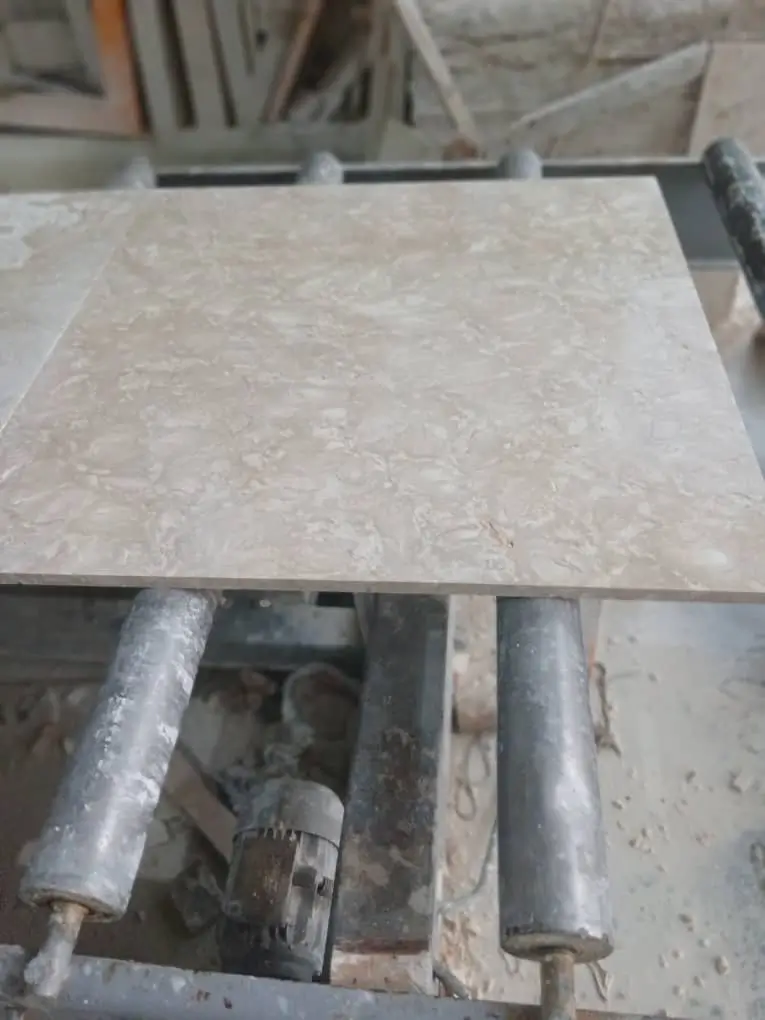
The abrasive sequence you specify directly impacts final surface characteristics. Starting with 50-grit diamonds removes saw marks and leveling inconsistencies at removal rates of 0.015-0.020 inches per pass. You’ll progress through 120-grit for initial smoothing, 220-grit for texture refinement, and 400-grit or higher for honed finishes. Skipping intermediate grits creates scratch patterns that telegraph through subsequent passes — a mistake that requires you to restart the entire sequence.
Equipment Selection and Operational Parameters
Professional flagstone honing procedures require walk-behind grinders for large-format installations and handheld angle grinders for edge details and confined areas. Walk-behind units deliver 15-25 HP with variable speed control from 600-1800 RPM, providing the consistent pressure distribution your flagstone diamond grinding Arizona applications demand. These machines typically weigh 180-250 pounds, using mass and controlled feed rates to maintain uniform material removal.
- You need to specify wet grinding for flagstone applications — dry grinding generates excessive heat that can cause thermal shock and microcracking in sedimentary stones
- Your water delivery system should provide 0.5-1.0 gallons per minute at grinding heads, creating slurry that removes debris and controls friction heat
- You should maintain head speeds appropriate for stone hardness — 800-1000 RPM for soft sandstones, 1200-1600 RPM for harder quartzites
- Your operator training must emphasize consistent overlap patterns with 30-40% pass overlap to prevent visible grinding tracks
Handheld grinders serve specialized roles in flagstone surface refinement, particularly for radius work and detail finishing. These 7-9 inch angle grinders operate at 4000-6000 RPM but require experienced operators to prevent gouging and maintain plane consistency. You’ll find them essential for addressing lippage between adjacent stones and refining perimeter edges where walk-behind equipment cannot reach.
Achieving Specific Surface Finishes
When you specify flagstone polishing methods for Arizona installations, you’re selecting from four primary finish categories: ground (120-220 grit), honed (400-800 grit), semi-polished (1500-2000 grit), and polished (3000+ grit). Each finish delivers distinct performance characteristics for slip resistance, maintenance requirements, and visual appearance. Your selection process must balance aesthetic preferences with functional safety requirements and long-term maintenance realities.
Ground finishes produced by flagstone diamond grinding Arizona processes deliver DCOF (Dynamic Coefficient of Friction) values of 0.58-0.65 wet, making them ideal for pool decks and exterior applications where slip resistance is paramount. The 120-220 grit range creates visible texture while eliminating the rough peaks found in guillotined or thermal-finished surfaces. You’ll observe that this finish shows wear patterns more prominently than honed surfaces but maintains superior traction throughout its service life.
Honed finishes represent the most popular specification for commercial flagstone applications in Arizona. Using 400-800 grit diamonds, you achieve smooth, matte surfaces with DCOF values of 0.48-0.55 wet — meeting ADA requirements while providing refined aesthetics. The flagstone honing procedures for this finish typically require 4-6 grinding passes with progressive grit sequences. You should specify this finish for interior applications, covered patios, and areas where barefoot traffic is common but extreme slip resistance is less critical.
Climate-Specific Processing Considerations
Arizona’s environmental conditions create processing challenges you won’t encounter in temperate regions. Ambient temperatures during summer months frequently exceed 110°F, affecting grinding slurry behavior and stone temperature during processing. When you schedule flagstone diamond grinding Arizona operations, you need to account for how elevated stone temperatures (140-160°F in direct sun) affect diamond bond matrices and grinding efficiency.
Low relative humidity (5-15% during hot months) accelerates slurry evaporation, requiring you to increase water delivery rates by 40-60% compared to humid climate operations. The rapid evaporation also concentrates mineral content in grinding slurry, creating abrasive paste that can score stone surfaces if not continuously flushed. Your water management system must provide adequate flow to maintain slurry consistency between 15-20% solids by volume.
Thermal expansion during grinding presents another Arizona-specific challenge. Flagstone surface temperatures can vary 80-100°F between shaded and sun-exposed areas on the same installation. When you begin flagstone smoothing techniques on hot surfaces, the initial water contact creates thermal shock that can propagate existing microfractures. Professional practice requires pre-wetting stone surfaces 15-20 minutes before grinding begins, gradually reducing surface temperature to within 30°F of ambient air temperature.
Material Removal Rates and Thickness Management
Your flagstone diamond grinding Arizona specifications must account for material removal across the complete grit sequence. Total material removal from initial 50-grit grinding through final 400-grit honing typically ranges from 0.040-0.065 inches for sedimentary flagstones. This becomes critical when you’re working with thinner materials (3/4 to 1 inch thick) where excessive removal compromises structural integrity.
Removal rates vary significantly by stone type and hardness. Soft Arizona sandstones remove at 0.018-0.022 inches per pass with 50-grit diamonds, while dense quartzites remove at 0.008-0.012 inches per pass under identical parameters. You need to verify actual stone hardness through field testing rather than relying on generic specifications — natural variation within individual quarries can shift hardness ratings by 1-2 Mohs points.
- You should establish maximum removal depths before grinding begins, typically limiting total removal to 6-8% of original stone thickness
- Your grinding plan must account for uneven starting surfaces where high spots require additional material removal
- You’ll need to verify that base preparation provides adequate support after grinding reduces stone thickness
- Your quality control process should include thickness measurements at 10-foot intervals to confirm uniform removal
Edge Details and Transition Management
Perimeter edges and transitions present unique challenges in flagstone surface refinement applications. Walk-behind grinders typically leave 2-3 inches of unprocessed stone along walls, columns, and fixed obstacles. You’ll need to specify handheld grinding protocols for these areas, ensuring finish consistency between machine-ground fields and hand-finished edges. The visual discontinuity between these zones becomes obvious under raking light if not properly managed.
When you detail edge finishing for flagstone diamond grinding Arizona projects, you’re addressing both horizontal surfaces and vertical edge profiles. Horizontal grinding should extend to within 1/4 inch of vertical surfaces, with final passes using the same grit sequence as field areas. Vertical edge profiles benefit from slightly coarser finishes (220-grit final) that provide visual contrast while maintaining tactile smoothness.
For projects incorporating prefabricated flagstone pavers, you’ll find that factory-finished edges rarely match field-ground surfaces without additional processing. The solution requires light grinding of prefabricated edges using 220-400 grit to blend visual and tactile characteristics. This adds 15-20% to edge finishing time but eliminates the obvious transition between prefabricated and site-finished materials.
Lippage Elimination Through Precision Grinding
Lippage — vertical displacement between adjacent stone surfaces — represents one of the primary reasons you specify flagstone diamond grinding Arizona services. Industry standards define acceptable lippage as 1/16 inch or less for interior applications and 1/8 inch for exterior installations, but premium projects often require tighter tolerances of 1/32 inch. Achieving these specifications requires systematic grinding approaches that address both individual stone surfaces and transition zones.
Your grinding strategy for lippage elimination depends on displacement severity. Minor lippage (1/16 to 1/8 inch) responds to progressive grinding starting with 120-grit diamonds, removing material primarily from high stones while touching low stones minimally. Severe lippage (1/8 to 1/4 inch) requires aggressive 50-grit initial passes that remove material from both high and low stones to establish a common plane, followed by complete refinishing through your specified grit sequence.
The flagstone honing procedures for lippage elimination consume 35-50% more time than surface refinishing alone. You’re essentially creating a new surface plane rather than improving an existing one. This impacts project scheduling and budget — preliminary lippage surveys should inform your grinding specifications and cost estimates. Installations with average lippage exceeding 3/16 inch may require complete releveling rather than grinding alone, particularly where base settlement has occurred.
Quality Control and Finish Verification
Professional flagstone diamond grinding Arizona specifications include measurable quality standards and verification protocols. Surface flatness tolerates no more than 1/8 inch deviation across a 10-foot straightedge for exterior applications, tightening to 1/16 inch for interior installations. You should specify these measurements at 15-foot intervals in both directions, with additional measurements at apparent high/low areas identified visually.
Slip resistance verification requires field testing with portable tribometers measuring both dry and wet DCOF. Your specifications should establish minimum values based on application: 0.42 wet DCOF for covered areas with minimal water exposure, 0.50 wet DCOF for uncovered exterior paving, and 0.60 wet DCOF for pool decks and water features. Testing should occur at 20-foot grid intervals with additional tests at transitions between different finish areas.
- You need to verify scratch pattern uniformity through visual inspection under raking light at oblique angles
- Your acceptance criteria should address color consistency, recognizing that grinding exposes subsurface stone characteristics that may vary from original faces
- You should document finish gloss levels using portable gloss meters if semi-polished or polished finishes are specified
- Your punch list process must identify and remedy any areas showing grinding tracks, swirl marks, or cross-grain scratches
Long-Term Maintenance and Reprocessing
When you specify flagstone polishing methods and grinding protocols, you’re establishing maintenance requirements that extend throughout the installation’s service life. Ground and honed finishes (120-400 grit) require resealing every 2-3 years in Arizona’s intense UV environment, while polished finishes (1500+ grit) need resealing every 4-5 years due to reduced porosity and enhanced stain resistance.
Traffic wear patterns emerge differently across finish types. Ground finishes (120-220 grit) show minimal visual change over 15-20 years of normal traffic, as the textured surface conceals gradual wear. Honed finishes (400-800 grit) develop subtle polished paths in high-traffic zones after 8-12 years — not a functional issue but a visual consideration for formal installations. You can address these wear patterns through localized reprocessing using 600-800 grit diamonds to restore original appearance.
The flagstone surface refinement approach you specify affects cleaning protocols and ongoing maintenance costs. Smoother finishes (honed and polished) simplify routine cleaning but show dust and debris more readily than textured surfaces. Textured finishes hide soiling but require more aggressive cleaning methods that gradually wear surface texture. Your maintenance specifications should match finish type to owner expectations and available maintenance resources.
Cost Factors and Project Estimating
Flagstone diamond grinding Arizona costs vary significantly based on finish specification, stone characteristics, and site conditions. Basic grinding to 220-grit finish typically ranges from $4.50-$7.00 per square foot for straightforward installations. Honing to 400-600 grit adds $1.50-$2.50 per square foot, while polishing to 1500+ grit increases costs by $3.00-$5.00 per square foot above basic grinding rates.
Stone hardness dramatically affects processing costs. Soft sedimentary flagstones (Mohs 4-6) process at standard rates, while hard metamorphic varieties (Mohs 7-8) require 40-60% additional labor and consumable costs due to slower material removal and increased diamond wear. You should verify stone hardness through field testing before committing to fixed-price grinding contracts — supplier classifications don’t always reflect actual material characteristics.
- You need to account for edge detail finishing as separate line items, typically priced at $8-$12 per linear foot depending on complexity
- Your estimates should include lippage elimination as measured work when displacement exceeds 1/8 inch average
- You’ll find that site access constraints affecting equipment delivery add 15-25% to baseline grinding costs
- Your project schedule must accommodate 200-300 square feet per day production rates for premium honed finishes
Common Specification Errors and Solutions
One frequent mistake in flagstone diamond grinding Arizona specifications involves inadequate grit sequence documentation. Generic specifications calling for “smooth honed finish” without defining final grit leave room for interpretation that creates disputes. You should specify exact final grit (400, 600, 800) and the complete progression sequence (50-120-220-400 as example) to ensure consistent results.
Another common error involves specifying uniform finishes across installations with significant drainage requirements. Smooth honed and polished surfaces reduce surface friction that aids water drainage, potentially creating standing water in low-slope areas (less than 2%). You need to balance finish specifications with drainage performance — consider textured grinding (120-220 grit) for areas with minimal slope and reserve honed finishes (400+ grit) for properly sloped surfaces.
Failure to address existing sealers and coatings before grinding represents a third specification oversight. Diamond grinding through acrylic or polyurethane coatings loads diamond segments with polymer residue, reducing cutting efficiency by 60-80% and creating uneven removal. Your specifications must require complete coating removal through chemical stripping or aggressive mechanical preparation before flagstone smoothing techniques begin.
Citadel Stone Wholesale Flagstone Pavers Arizona — Regional Specification Guidance
When you evaluate Citadel Stone’s wholesale flagstone pavers for your Arizona projects, you’re working with premium sedimentary and metamorphic materials engineered for extreme climate performance. At Citadel Stone, we provide technical guidance for surface finishing applications across Arizona’s diverse climatic zones. This section outlines how you would approach flagstone diamond grinding Arizona specifications for six representative cities, accounting for elevation, temperature, and specific environmental factors that affect grinding protocols and long-term finish performance.
Phoenix Applications
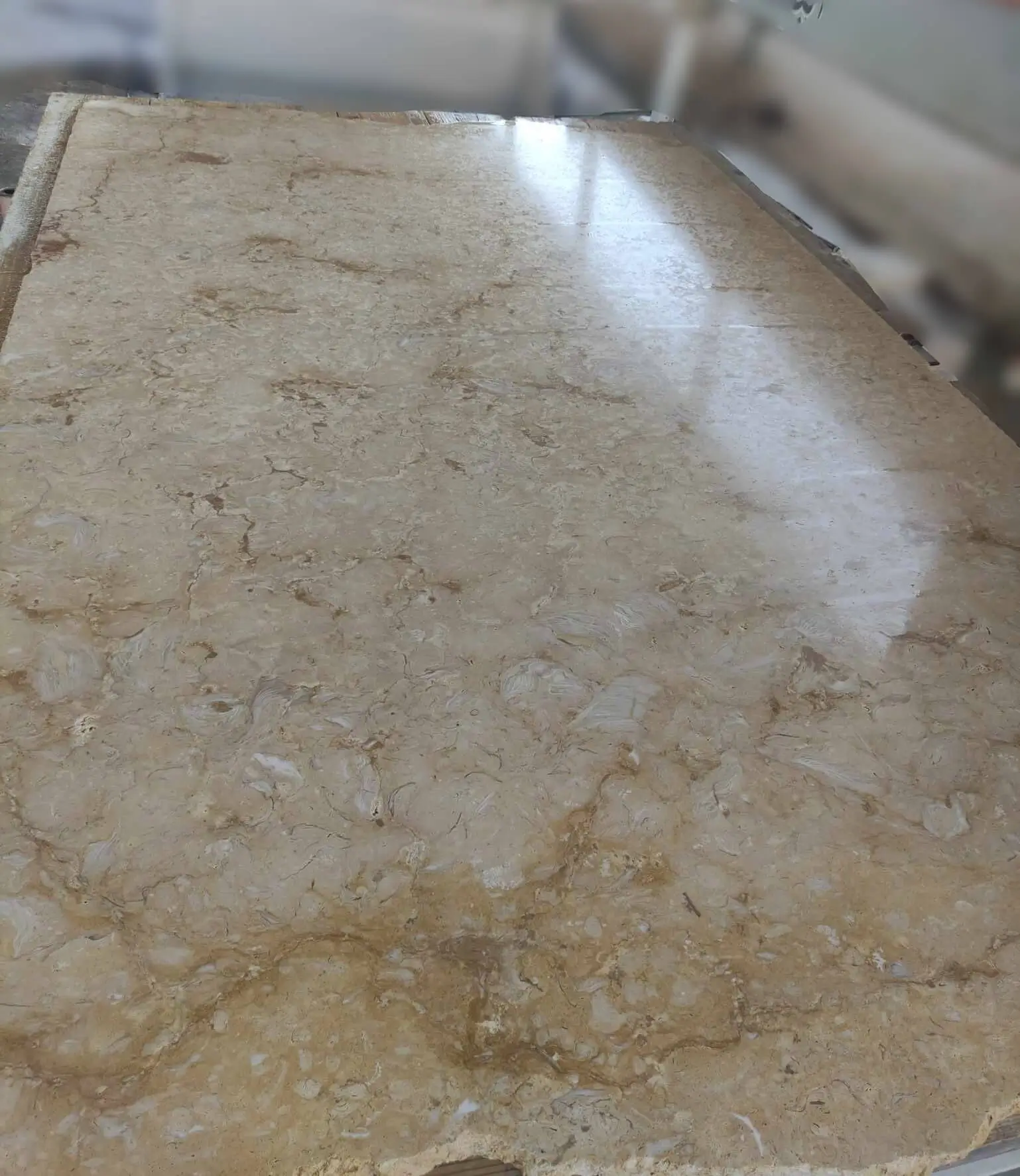
In Phoenix, you would encounter extreme heat conditions requiring you to schedule grinding operations during cooler months (November-March) or early morning hours when stone temperatures remain below 95°F. Your flagstone diamond grinding Arizona approach would emphasize honed finishes (400-600 grit) that balance slip resistance with the smooth surfaces preferred for barefoot pool deck applications. The low humidity environment would require you to increase water delivery rates to 0.8-1.0 GPM to maintain proper slurry consistency. You should specify 220-grit minimum finishes for shaded areas and 400-grit for sun-exposed surfaces where thermal comfort matters. Citadel Stone maintains regional warehouse inventory that would ensure material availability for your project timeline requirements.
Tucson Considerations
Your Tucson specifications would account for slightly lower temperatures than Phoenix but similar UV intensity requiring durable surface finishes. You would specify flagstone honing procedures emphasizing 400-800 grit ranges for commercial installations and resort properties where refined aesthetics complement desert architecture. The regional soil characteristics containing caliche deposits would require you to verify base preparation prevents subsurface salt migration that can cause efflorescence through ground flagstone surfaces. You should consider 600-grit honed finishes for covered ramadas and courtyards where glare reduction improves comfort. Traffic patterns in hospitality applications would guide your slip resistance specifications, with pool areas requiring 0.55+ wet DCOF and dining patios accepting 0.48-0.52 wet DCOF values.
Scottsdale Premium Projects
Scottsdale’s luxury residential and resort market would drive your specifications toward premium honed and semi-polished finishes (800-1500 grit) that deliver refined aesthetics matching high-end architectural standards. You would need to balance visual sophistication with functional slip resistance, often specifying different finishes for distinct use zones within single properties. Your flagstone surface refinement approach would incorporate polished borders (1500+ grit) surrounding honed field areas (600-800 grit) creating visual hierarchy while maintaining safety. The area’s design-conscious market would require you to provide finish samples demonstrating exact texture and appearance before proceeding with full grinding. Premium specifications would include edge details ground to match field finishes and hand-finished radius work at columns and water features.
Flagstaff Mountain Environment
Your Flagstaff specifications would address dramatically different climate conditions than lower-elevation Arizona cities. At 7,000 feet elevation with 100+ freeze-thaw cycles annually, you would specify textured grinding finishes (120-220 grit) that provide superior slip resistance on potentially icy surfaces while allowing proper drainage. The flagstone diamond grinding Arizona approach here would emphasize durability over refined aesthetics, recognizing that smoother finishes accelerate freeze-thaw damage in absorbed moisture. You should verify stone porosity remains below 5% after grinding to minimize water absorption driving freeze-thaw deterioration. Summer processing windows (June-September) would accommodate your grinding schedule, as cold-weather operations risk thermal shock when heated grinding equipment contacts cold stone surfaces.
Sedona Red Rock Context
In Sedona, you would specify grinding finishes complementing the area’s distinctive red rock geology and tourism-oriented architecture. Your flagstone polishing methods would favor natural, textured finishes (220-400 grit) that harmonize with surrounding landscape rather than creating visual contrast through high polish. The moderate elevation (4,500 feet) would provide more comfortable grinding conditions than Phoenix while avoiding Flagstaff’s freeze-thaw challenges. You should account for high pedestrian traffic at commercial properties requiring durable finishes that maintain appearance despite heavy use. Color consistency becomes critical in this market — grinding exposes subsurface stone characteristics that must coordinate with Sedona’s earth-tone aesthetic preferences. Warehouse delivery logistics would require coordination given the city’s distance from major distribution centers.
Yuma Desert Extremes
Your Yuma specifications would address the most extreme heat conditions in Arizona, with summer temperatures regularly exceeding 115°F creating intense thermal stress on flagstone surfaces. You would need to restrict grinding operations to October-April when stone temperatures permit safe processing without thermal shock risk. The flagstone smoothing techniques you specify would emphasize moderate honing (400-600 grit) providing smooth tactile surfaces while maintaining adequate slip resistance for water-adjacent applications. Agricultural dust prevalent in the region would require more frequent sealer reapplication (every 18-24 months) than other Arizona locations. You should specify darker stone colors that show dust accumulation less prominently and honed finishes that simplify cleaning protocols in this challenging environment.
Final Considerations
Your success with flagstone diamond grinding Arizona projects depends on comprehensive specifications addressing stone characteristics, equipment parameters, finish requirements, and regional climate factors. The grinding approach you select determines not just immediate aesthetics but long-term performance, maintenance requirements, and user safety across the installation’s 20-30 year service life. You need to balance multiple competing requirements — slip resistance versus refined appearance, processing costs versus finish quality, and maintenance simplicity versus visual sophistication.
Professional specifications require you to document exact grit sequences, establish measurable quality standards, and account for Arizona’s unique environmental challenges affecting both processing and performance. The difference between adequate and exceptional results lies in these specification details and your understanding of how material properties interact with regional conditions. For comprehensive guidance on alternative surface treatment approaches, review Professional abrasive methods for modifying flagstone surface characteristics before finalizing your project specifications. Regional warehousing makes Citadel Stone accessible flagstone distributors in Arizona pickup.