
When you specify flagstone for Arizona installations, you need to verify compression strength ratings that exceed baseline standards. Your project’s success depends on understanding load-bearing capacity across diverse applications, from residential walkways to commercial plaza installations. Flagstone compression strength testing Arizona provides the technical foundation for professional specifications that withstand extreme thermal cycling and structural demands unique to desert environments.
You’ll encounter compression strength requirements that vary based on application intensity, substrate conditions, and long-term performance expectations. The testing protocols address how material density, porosity, and mineral composition interact under compressive loads ranging from pedestrian traffic to vehicle-rated installations. Your specification process needs to account for these variables to ensure 20-30 year performance in Arizona’s challenging climate.
Compression Strength Fundamentals for Flagstone Applications
Compression strength measures the material’s resistance to failure under axial loading. You’re evaluating the maximum compressive stress flagstone can withstand before structural compromise occurs. For Arizona installations, you should specify minimum 8,000 PSI compressive strength for pedestrian applications, increasing to 12,000-15,000 PSI for vehicular-rated surfaces.
The testing follows ASTM C170 protocols, applying controlled loads perpendicular to the bedding plane until failure occurs. You need to understand that flagstone exhibits anisotropic properties — compression strength varies based on load direction relative to sedimentary layering. Your specifications should reference testing perpendicular to natural bedding for consistency with field installation orientation.
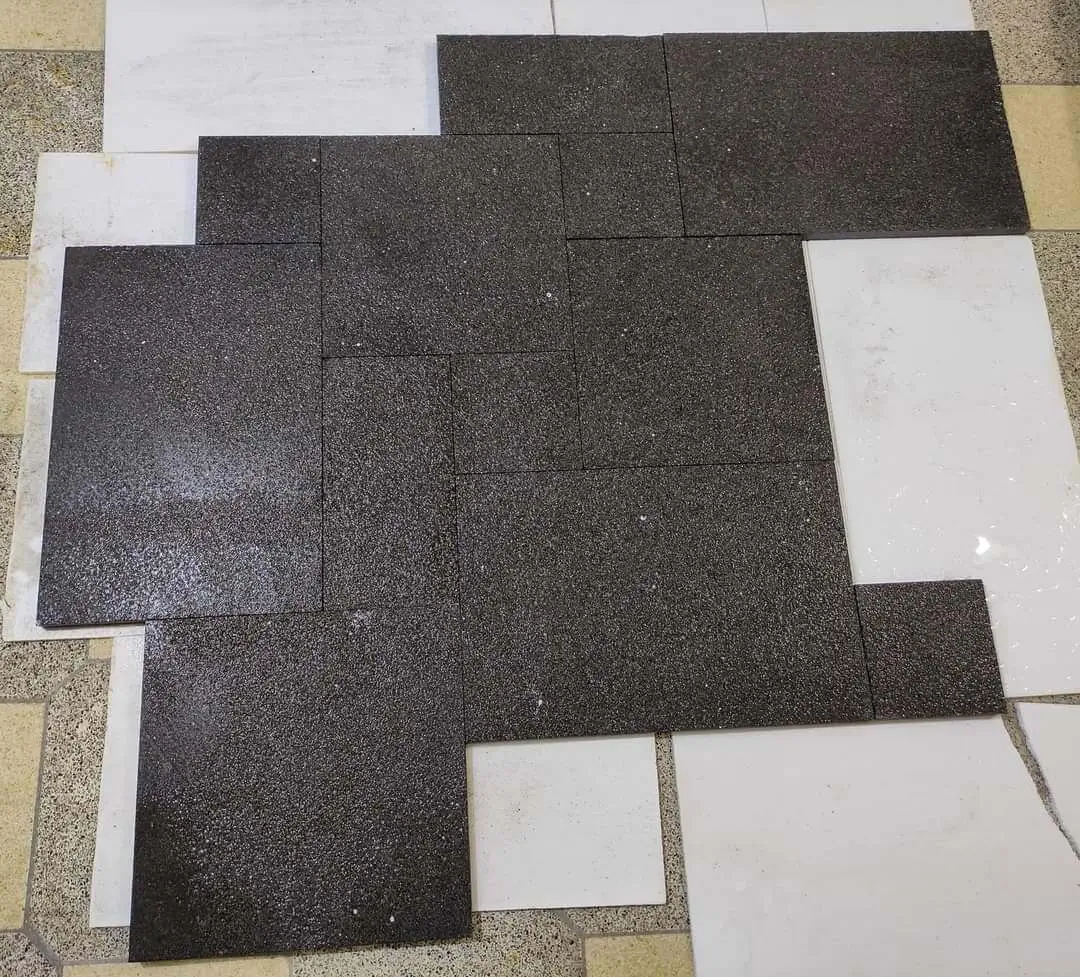
Testing protocols require you to evaluate multiple specimens from each production lot. The material’s compression performance correlates directly with density and porosity characteristics. Higher density flagstone typically demonstrates superior compression ratings, but you’ll need to balance this against thermal mass properties and slip resistance requirements for your specific application.
Load-Bearing Capacity Requirements by Application Type
Your specification criteria change dramatically based on intended use. Residential patio installations require different compression thresholds than commercial vehicular applications. Understanding these distinctions prevents over-specification that increases costs unnecessarily while ensuring adequate performance margins.
- You should specify 8,000-10,000 PSI for residential pedestrian walkways and patios with standard foot traffic patterns
- Your commercial plaza specifications need 10,000-12,000 PSI minimum to accommodate concentrated loads from furniture, planters, and high-volume pedestrian use
- You must require 12,000-15,000 PSI for vehicular-rated applications including driveways, service courts, and emergency vehicle access routes
- Your pool deck installations benefit from 9,000-11,000 PSI ratings that balance compression strength with slip resistance surface treatments
The substrate preparation directly influences how compression loads transfer through the flagstone into the base system. When you install over compacted aggregate bases, point loading concentrates differently than installations over concrete substrates. Your compression strength specifications should account for substrate type and installation method to prevent premature failure at load concentration points.
Testing Protocols and Verification Procedures
Flagstone compression strength testing Arizona requires you to understand specimen preparation protocols that significantly affect results. The testing lab cuts samples to specific dimensional tolerances, typically 2-inch cubes or cylinders with height-to-diameter ratios of 2:1. You need to verify that specimen preparation follows ASTM C170 guidelines to ensure result validity.
Surface preparation of test specimens matters more than most specifiers realize. When you examine testing procedures, you’ll find that specimen surfaces must be ground flat and parallel within 0.001 inches to prevent load distribution irregularities. Uneven surfaces create stress concentrations that produce artificially low compression ratings not representative of field performance.
Your verification process should include reviewing testing documentation for moisture content at time of testing. Flagstone exhibits reduced compression strength when saturated compared to dry conditions. Testing standards require oven-dry specimens, but you should request additional testing at field moisture conditions for installations in irrigated landscapes or areas with persistent moisture exposure.
Density and Porosity Interaction with Compression Performance
The relationship between density, porosity, and compression strength creates specification trade-offs you must evaluate carefully. Higher density flagstone typically achieves superior compression ratings, often exceeding 14,000-16,000 PSI. However, increased density correlates with reduced porosity, affecting drainage characteristics and freeze-thaw performance in northern Arizona elevations.
You’ll find that flagstone with 3-5% porosity demonstrates optimal compression strength while maintaining adequate drainage properties. When porosity drops below 3%, compression strength increases but the material becomes less permeable, potentially creating subsurface water accumulation. Your specifications need to balance these competing factors based on climate zone and drainage design.
Mineral composition influences both density and compression performance. Silica-rich flagstone exhibits higher compression ratings than calcium carbonate-based materials. When you evaluate flagstone temperature resistance for Arizona applications, you’re assessing how mineral composition affects both compression maintenance under thermal stress and overall structural integrity across seasonal temperature swings.
Thermal Cycling Effects on Compression Strength Maintenance
Arizona’s extreme temperature fluctuations create thermal stress cycles that gradually affect compression strength over time. You need to understand how daily temperature swings from 50°F to 115°F generate expansion-contraction cycles that can produce microfractures in flagstone matrix structures.
Flagstone climate testing demonstrates that materials meeting initial compression strength requirements may experience 8-12% reduction in compression capacity after 500-1000 thermal cycles. Your specifications should account for this degradation by requiring initial compression strengths 15-20% above minimum application thresholds to maintain adequate performance margins throughout the installation’s service life.
The interaction between compression loads and thermal stress becomes critical in vehicular applications. When you specify flagstone for driveways in Phoenix or Tucson, you’re dealing with surface temperatures that can reach 160-180°F under direct summer sun. These elevated temperatures occur simultaneously with vehicle loads, creating combined stress conditions that accelerate compression strength degradation compared to pedestrian-only applications.
For professional sourcing options, consider bulk flagstone paving pavers in Chandler to evaluate material specifications and availability for your Arizona projects.
Substrate and Base Preparation Impact on Load Distribution
Your base preparation decisions directly affect how compression loads distribute through flagstone installations. A properly compacted aggregate base distributes loads more uniformly than poorly prepared substrates, reducing point loading that creates localized compression stress concentrations.
- You should compact aggregate bases to 95-98% modified Proctor density for pedestrian applications
- Your vehicular installations require 98% minimum compaction to prevent differential settlement that increases localized compression stress
- You need to verify base course thickness meets or exceeds 6 inches for pedestrian use, increasing to 8-12 inches for vehicular applications
- Your edge restraint systems must prevent lateral base migration that creates unsupported flagstone edges subject to cantilever loading
When you install flagstone over concrete substrates, compression loads transfer differently than aggregate base installations. Concrete provides rigid support that eliminates deflection, but creates potential for stress concentrations at flagstone edges and corners. Your mortar bed thickness and composition affect load distribution — thicker beds provide better stress distribution but increase installation costs and complexity.
Joint Spacing and Load Transfer Mechanisms
The spacing between flagstone units affects compression load distribution across your installation. Tighter joint spacing increases the number of load transfer points, distributing compression forces across more stone-to-stone interfaces. You’ll typically specify 3/8-inch to 3/4-inch joints for most applications, balancing aesthetic preferences with structural performance.
Flagstone heat cycle durability improves when you maintain consistent joint spacing that accommodates thermal expansion without creating binding conditions. Inconsistent joints create areas where thermal expansion generates compressive forces between adjacent units, effectively pre-loading the material before any external loads apply. Your installation specifications should require joint spacing tolerance of ±1/16 inch to prevent these conditions.
Joint fill material selection influences load transfer characteristics. When you specify polymeric sand or mortar joints, you’re creating semi-rigid connections between flagstone units that help distribute compression loads. Traditional sand joints provide minimal load transfer, requiring each flagstone unit to independently support applied loads without assistance from adjacent units.
Edge Detail Specifications for Compression Load Management
Unsupported edges represent critical failure points where compression capacity decreases significantly. You need to design edge conditions that prevent cantilever loading scenarios where flagstone extends beyond adequate base support. The material’s compression strength becomes irrelevant when installation geometry creates bending moments that exceed flexural strength limits.
Your edge restraint details should specify soldier course installations, concrete curbing, or steel edging that contains the base system and prevents lateral migration. When base materials shift away from flagstone edges, you create unsupported conditions where even modest loads generate failure. Professional installations maintain base support extending 2-3 inches beyond flagstone edges to ensure full bearing contact.
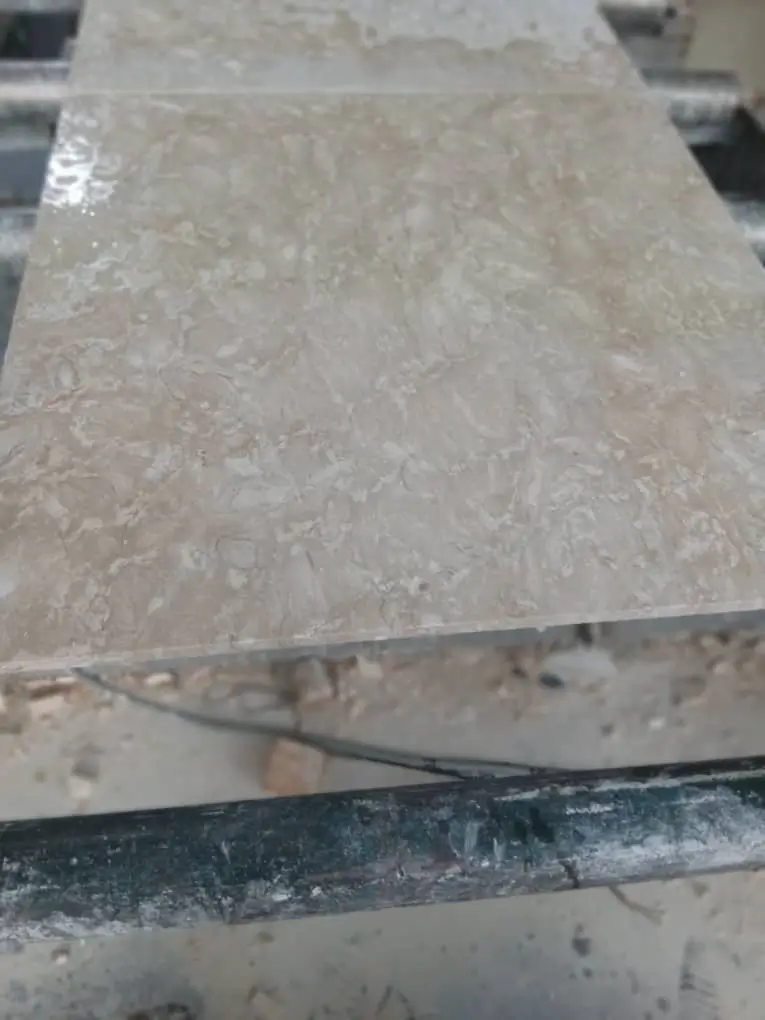
Edge chamfering affects compression performance at unit perimeters. Sharp 90-degree edges concentrate compression stress, creating spalling potential under heavy loads. When you specify 1/8-inch chamfers or slightly rounded edges, you distribute edge loading across broader contact areas, reducing stress concentrations that can initiate compression failures.
Thickness Variation Impact on Compression Distribution
Flagstone thickness tolerances directly affect compression load distribution across installations. When you specify natural cleft flagstone, you’re accepting thickness variations that typically range ±1/4 inch to ±3/8 inch across individual units. These variations create high points that receive disproportionate compression loads while low points remain partially unloaded.
Your installation specifications should address leveling procedures that minimize thickness-induced load concentration. Setting flagstone on screeded sand beds allows individual height adjustment, but creates potential for future settlement as base materials consolidate under load. Mortar-set installations over concrete provide better long-term stability but require careful leveling during installation to prevent creating permanent high spots.
Flagstone thermal performance becomes relevant when thickness variations interact with thermal expansion. Thicker areas expand more in absolute terms than thin areas, creating differential movement that generates internal stress. Your specifications should limit thickness variation to ±3/16 inch for mortar-set installations to minimize these effects.
Moisture Content Effects on Compression Capacity
Water saturation reduces flagstone compression strength by 10-18% compared to dry conditions. You need to account for this reduction when specifying materials for installations subject to irrigation exposure, pool deck applications, or areas with poor drainage. The compression strength you receive in laboratory testing documentation typically reflects oven-dry conditions not representative of field moisture states.
Pore water pressure contributes to compression strength reduction under saturated conditions. When you apply loads to saturated flagstone, water within the pore structure resists compression, creating hydraulic pressure that counteracts the stone’s inherent compression capacity. This effect becomes more pronounced in higher porosity materials where interconnected pore networks facilitate pressure distribution.
- You should request wet compression testing for pool deck applications where flagstone remains persistently saturated
- Your irrigation system design needs to minimize direct spray exposure that maintains elevated moisture content in flagstone installations
- You need to specify adequate base drainage that prevents subsurface water accumulation and capillary rise into flagstone units
- Your sealed installations may trap moisture, requiring you to verify compression ratings account for potential saturation conditions
Installation Method Considerations for Compression Performance
Dry-set installations over aggregate bases distribute compression loads differently than mortar-set applications over concrete. When you specify dry-set methods, individual flagstone units bear loads independently, requiring higher compression strength ratings to prevent localized failures. Mortar-set installations distribute loads across broader areas through the mortar bed and concrete substrate.
Your mortar bed composition affects compression load distribution. Lean mortar mixes with higher sand content provide limited stress distribution, while richer mixes create more uniform bearing surfaces. You should specify mortar mixes appropriate for compression loads — Type S mortar (1,800 PSI minimum) for pedestrian applications, Type M mortar (2,500 PSI minimum) for vehicular installations.
Flagstone thermal shock testing Arizona reveals that mortar-set installations experience different thermal stress patterns than dry-set applications. The mortar interface creates composite behavior where thermal expansion coefficients of flagstone, mortar, and substrate must all be considered. Differential expansion can induce compression or tension stress at bond interfaces independent of external loads.
Citadel Stone — Premier Flagstone Manufacturers in Arizona Specification Guide
When you evaluate Citadel Stone’s flagstone manufacturers products for Arizona applications, you’re considering manufactured stone options engineered for consistent compression performance. At Citadel Stone, we provide technical guidance for specifying compression-rated flagstone across Arizona’s diverse climate zones. This section outlines how you would approach load-bearing capacity verification for representative Arizona cities, demonstrating the specification process for hypothetical installations.
Compression strength consistency matters significantly in professional specifications. You need predictable performance across production lots to ensure your installation meets design criteria uniformly. The following city-specific considerations illustrate how you would adapt compression requirements based on local conditions, application types, and performance expectations.
Phoenix Commercial Specifications
In Phoenix commercial applications, you would specify flagstone compression strength minimum 12,000 PSI to accommodate high-traffic plaza installations and outdoor dining areas. The urban heat island effect amplifies thermal cycling, requiring you to account for compression strength maintenance across temperature swings from 45°F winter nights to 118°F summer days. Your base preparation would require 98% compaction of aggregate materials to distribute compression loads uniformly across large-format installations. Vehicular-rated applications in Phoenix would necessitate 14,000-15,000 PSI compression ratings to ensure long-term performance under combined thermal and mechanical stress.
Tucson Residential Applications
For Tucson residential patio installations, you would typically specify 9,000-10,000 PSI compression strength ratings that balance performance with cost considerations. The slightly lower temperatures compared to Phoenix allow you to reduce compression requirements marginally while maintaining adequate safety factors. Your installation specifications would address monsoon moisture exposure that temporarily reduces compression capacity by 12-15% during saturated conditions. You would need to verify that drainage design prevents standing water that maintains elevated moisture content beyond typical 24-48 hour drying periods following precipitation events.
Scottsdale Pool Deck Requirements
Scottsdale pool deck applications would require you to specify 10,000-11,000 PSI compression strength with wet testing verification. The persistent moisture exposure from pool splash-out and cleaning operations maintains flagstone in near-saturated conditions, reducing effective compression capacity. Your specifications would need to address slip resistance treatments that don’t compromise compression performance through surface modification. You would coordinate compression requirements with thermal performance criteria since pool decks experience barefoot traffic during peak summer temperatures when surface heat becomes a comfort concern affecting material selection beyond pure compression considerations.
Flagstaff Climate Considerations
In Flagstaff’s higher elevation climate, you would need to balance compression strength requirements with freeze-thaw durability. Your specifications would require minimum 10,000 PSI compression strength while limiting porosity to 4-6% to accommodate freeze-thaw cycles that create internal hydraulic pressure potentially affecting compression capacity. The temperature range from -15°F winter conditions to 85°F summer peaks creates different thermal stress patterns than desert locations. You would verify that compression testing addresses how freeze-thaw cycling affects long-term compression strength maintenance across the installation’s anticipated 25-30 year service life.
Sedona Aesthetic Integration
For Sedona installations, you would specify compression strength requirements that accommodate aesthetic preferences for natural-appearing surfaces integrated with the distinctive red rock landscape. Your 9,500-11,000 PSI compression ratings would support both residential and light commercial applications while allowing selection of materials with color tones and textures complementing the regional character. The moderate climate compared to low-desert areas permits you to prioritize aesthetic factors without compromising essential compression performance. You would coordinate compression specifications with surface finish requirements that maintain the natural cleft appearance valued in Sedona architectural contexts.
Yuma Extreme Heat Performance
Yuma’s extreme heat environment would require you to specify compression strength ratings with particular attention to thermal degradation factors. Your minimum 11,000 PSI compression requirements would account for surface temperatures potentially reaching 175-185°F during peak summer conditions. The extended high-temperature exposure creates accelerated thermal cycling compared to other Arizona locations, necessitating higher initial compression ratings to maintain adequate capacity after thermal degradation. You would need to verify warehouse inventory availability for high-compression-rated materials since demand in extreme desert climates drives specifications toward premium performance tiers that may have extended lead times.
Long-Term Performance Expectations and Maintenance
Your compression strength specifications establish initial performance baselines, but you need to understand degradation patterns over time. Well-specified flagstone installations typically maintain 85-90% of original compression capacity after 20-25 years in Arizona conditions. The degradation results from cumulative thermal cycling, minor freeze-thaw effects at elevation, and gradual weathering of surface minerals.
Maintenance practices affect compression strength retention. When you implement regular cleaning protocols that remove organic growth and mineral deposits, you help maintain surface integrity that contributes to compression performance. Conversely, allowing moss or algae growth in shaded areas creates moisture retention that accelerates compression strength degradation through persistent saturation conditions.
Your resealing schedule influences compression performance maintenance. Penetrating sealers reduce moisture absorption that causes temporary compression strength reduction, but you need to verify sealer compatibility with flagstone mineral composition. Some sealers create subsurface moisture barriers that trap water within the stone matrix, potentially reducing compression capacity more than unsealed conditions.
Specification Documentation and Verification Requirements
Your specification documents should clearly state compression strength requirements with referenced testing standards. You need to require that suppliers provide certified test results from accredited laboratories following ASTM C170 protocols. The documentation should include specimen orientation relative to bedding planes, moisture condition at testing, and number of specimens tested per production lot.
You should specify acceptance criteria that account for natural material variation. Requiring that 100% of specimens meet minimum compression ratings may be unrealistic for natural stone. Instead, specify that average compression strength meets or exceeds requirements with no individual specimen falling below 90% of stated minimum. This approach accommodates natural variation while ensuring adequate overall performance.
Your project specifications benefit from requiring pre-installation testing when large quantities are involved or when applications involve critical loading conditions. You can request that testing laboratories extract samples from your specific material lot rather than relying on generic product line testing that may not represent the exact stone you’re receiving.
Key Takeaways
Successful flagstone compression strength specification requires you to integrate multiple performance factors including application loads, substrate conditions, and Arizona’s unique thermal environment. Your specifications need to account for compression strength reduction under saturated conditions, thermal cycling degradation, and load distribution mechanisms that vary with installation method. Professional compression testing verification provides the foundation for confident material selection that delivers reliable long-term performance across residential, commercial, and vehicular applications. For additional technical standards addressing thermal durability factors, review Temperature cycle resistance standards for flagstone in Arizona before finalizing your project specifications. Tumbled edges come from Citadel Stone’s aged manufactured flagstone pavers character.