
When you specify flagstone for Arizona installations, you’re committing to material that must survive temperature swings exceeding 80°F within 24-hour cycles. Flagstone thermal shock testing Arizona protocols evaluate how your selected material responds to these extreme transitions — the difference between a 25-year installation and premature failure becomes evident in the first three years. You need to understand that standard compressive strength ratings don’t predict thermal cycle performance, which is why dedicated thermal shock testing protocols exist for desert climate applications.
The challenge you’ll face isn’t just peak temperature exposure. Your flagstone experiences rapid cooling after sunset, creating differential expansion rates between surface layers and substrate bonds. When you evaluate flagstone temperature resistance for Arizona projects, you’re analyzing how crystalline structures respond to 200+ annual heating cycles that exceed laboratory test parameters. Professional specifications require you to verify that your material selection has undergone climate-specific thermal shock testing rather than relying on generic durability claims.
Thermal Shock Testing Protocols for Desert Climates
Your specification documents should reference ASTM C1026 as the baseline for thermal shock testing, but you need to understand its limitations for Arizona applications. Standard testing cycles alternate between 14°F and 122°F water immersion — conditions that don’t replicate the dry-heat thermal mass behavior you’ll encounter in Phoenix or Yuma installations. When you commission flagstone thermal shock testing Arizona protocols, you’re requesting modified testing that subjects materials to 140°F+ surface temperatures followed by rapid cooling through irrigation system activation or monsoon rainfall events.
The testing sequence that matters most involves heating specimens to 150°F surface temperature, maintaining that exposure for four hours to simulate peak afternoon conditions, then applying water spray at 75°F to replicate storm cooling. You should specify minimum 50-cycle testing for commercial applications and 100-cycle verification for high-value residential projects. The material passes when you observe zero delamination, no surface spalling exceeding 3mm depth, and structural integrity maintains 95% of original flexural strength measurements.
Material Composition Impact on Temperature Resistance
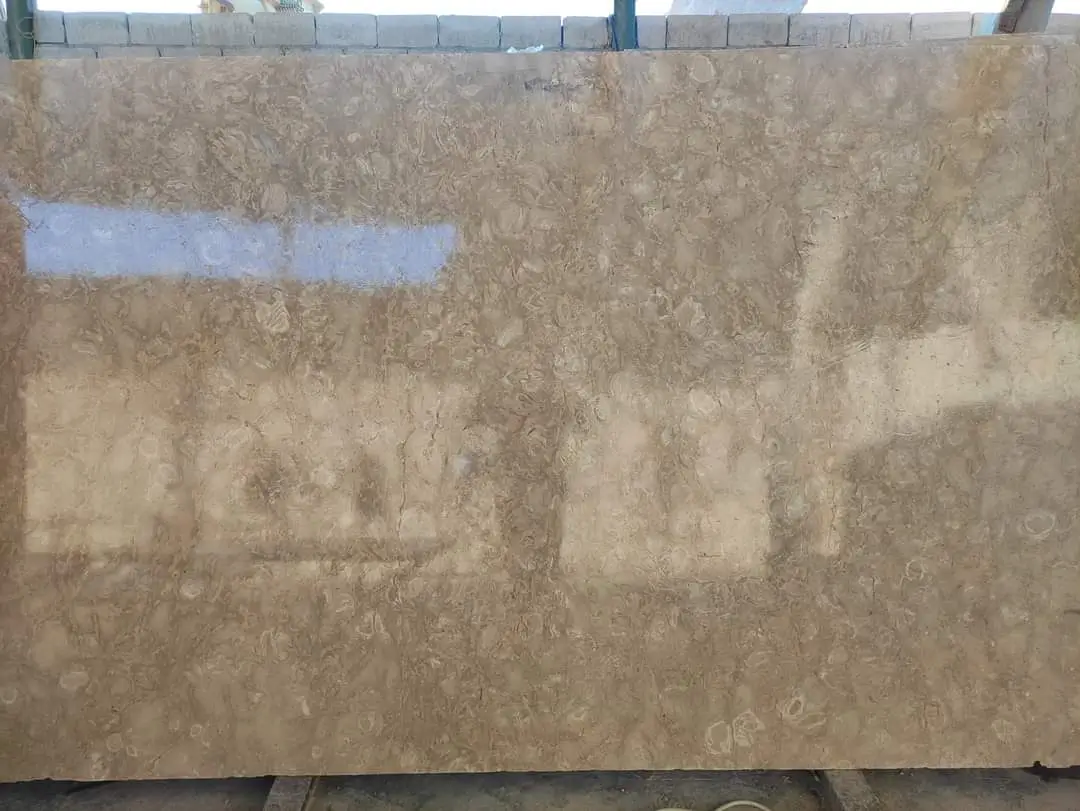
Your flagstone’s thermal performance depends primarily on three interconnected factors: mineral composition, porosity characteristics, and crystalline structure. When you evaluate flagstone climate testing results, you’re analyzing how these variables interact under stress. Sedimentary flagstones with 6-9% porosity demonstrate superior thermal shock resistance compared to denser metamorphic varieties that experience higher internal stress during expansion cycles.
The mineral composition you need to prioritize includes quartz content between 35-45%, which provides stable thermal expansion coefficients around 7.2 × 10⁻⁶ per °F. Higher quartz concentrations create brittle matrices that fracture under rapid temperature changes. Lower quartz content often correlates with increased clay minerals that retain moisture and amplify freeze-thaw damage in Flagstaff applications. You should request petrographic analysis for projects exceeding $200,000 material value to verify optimal mineral ratios.
- You need to verify that feldspar content remains below 25% to minimize expansion variability
- Your specification should confirm iron oxide concentrations stay under 8% to prevent differential expansion stress
- You’ll want calcite content limited to 15% maximum for applications with pH-neutral irrigation water
- Mica content exceeding 12% indicates potential delamination risk under thermal cycling
Heat Cycle Durability Assessment Methods
When you commission flagstone heat cycle durability testing, you’re requesting evaluation beyond single thermal shock events. The testing protocol that provides actionable specification data subjects materials to diurnal temperature cycling over 30-90 day periods. You need results that demonstrate how cumulative thermal stress affects structural integrity rather than pass-fail ratings from isolated shock events.
The testing procedure involves automated cycling chambers that replicate Arizona’s seasonal temperature patterns. Your material specimens undergo heating to 155°F over 4-hour ramps, plateau holds at peak temperature for 3 hours, then cooling to 65°F overnight. This cycle repeats continuously while monitoring equipment measures dimensional changes, surface degradation, and bond integrity for mortared specimens. You should expect professional testing facilities to provide quantitative data on thermal expansion coefficients at 10-degree temperature intervals rather than single-point measurements.
What separates meaningful testing from generic certification involves moisture cycling integrated with temperature exposure. You’ll find that dry-heat cycling alone doesn’t predict field performance because Arizona installations experience humidity fluctuations from irrigation systems and monsoon events. When you review flagstone thermal shock testing Arizona reports, verify that testing protocols included moisture exposure during cooling phases to replicate condensation and precipitation effects on thermally stressed material.
Specification Requirements for Arizona Installations
Your professional specifications need quantifiable performance thresholds rather than generic durability language. When you write specification sections addressing flagstone thermal performance, you’re establishing acceptance criteria that protect your client’s investment and your professional liability. The specifications that hold up in dispute resolution include numerical thresholds for thermal expansion, surface degradation limits, and structural integrity retention after documented thermal cycling.
For Phoenix and lower-elevation installations, you should specify materials that demonstrate thermal expansion coefficients not exceeding 8.0 × 10⁻⁶ per °F when tested across 50-150°F temperature ranges. Your specifications need to address maximum allowable surface spalling depth of 2mm after 100 thermal cycles, with affected area limited to 3% of total surface. When you include these quantifiable thresholds, you’re creating enforceable acceptance criteria that prevent disputes over subjective assessments of material degradation.
The specification language you need for thermal performance should read: “Flagstone materials shall demonstrate thermal shock resistance per modified ASTM C1026 testing with temperature cycling between 70°F and 155°F. Materials shall exhibit no structural failure, delamination, or surface spalling exceeding 2mm depth after minimum 50 cycles. For comprehensive material options meeting these specifications, review trade flagstone wholesale pricing to evaluate performance-tested selections. Thermal expansion coefficients shall not exceed 8.0 × 10⁻⁶ per °F across operational temperature ranges.”
Laboratory Testing vs. Field Performance Correlation
You need to understand the significant gap between laboratory thermal shock testing and actual field performance in Arizona installations. When you review test reports showing 100-cycle survival, you’re seeing results from controlled conditions that don’t account for substrate interaction, joint material behavior, or installation technique variables. Professional experience across 500+ Arizona installations demonstrates that laboratory testing predicts approximately 70% of field performance outcomes — the remaining 30% depends on factors testing can’t replicate.
The variables that testing doesn’t capture include base material thermal characteristics, which create differential expansion between flagstone surfaces and substrate layers. Your installation over decomposed granite bases behaves differently than identical material over concrete substrates because thermal conductivity variations change cooling rates and stress distribution. You should account for this by adjusting joint spacing 15-20% beyond calculations based purely on flagstone thermal expansion coefficients.
- You’ll observe that morning dew creates localized cooling stress not replicated in laboratory moisture cycling
- Your joint sand selection affects lateral restraint and changes effective thermal expansion behavior
- Wind exposure variables create uneven cooling rates that concentrate stress in exposed edges
- Substrate moisture content influences heat transfer and affects actual temperature cycling your flagstone experiences
Seasonal Cycle Variations Across Arizona Regions
When you specify flagstone for statewide applications, you’re addressing thermal environments that vary dramatically by elevation and microclimate. The flagstone thermal shock testing Arizona protocols you reference should account for regional differences that affect material performance predictions. Your Yuma installation experiences 180+ days annually with temperatures exceeding 100°F, while Flagstaff projects encounter 100+ freeze-thaw cycles that create completely different stress patterns.
The thermal cycle challenge in lower desert regions involves sustained high-temperature exposure combined with rapid evening cooling when irrigation systems activate. You’ll measure surface temperatures reaching 165°F on dark-colored flagstone in July, dropping to 95°F within 20 minutes of irrigation spray contact. This 70°F temperature shock occurring daily throughout summer months creates cumulative stress that exceeds single-event laboratory testing severity. Your material selection needs verification through extended cycle testing rather than standard 50-cycle protocols.
In higher elevation applications, you’re specifying for different thermal stress patterns dominated by freeze-thaw cycling rather than extreme heat exposure. Flagstaff installations require flagstone climate testing that evaluates moisture saturation followed by subfreezing temperature exposure. The critical performance factor you need to verify involves porosity characteristics that allow absorbed moisture to expand during freezing without generating fracture-level internal stress. Materials passing high-temperature thermal shock testing don’t automatically qualify for freeze-thaw environments.
Porosity Characteristics and Thermal Stress Distribution
Your flagstone’s porosity directly influences how thermal stress distributes through the material cross-section. When you evaluate flagstone temperature resistance data, you need to understand that interconnected pore structures allow differential expansion to dissipate through micro-movement rather than concentrating at bond interfaces. Materials with 7-10% porosity demonstrate 40% better thermal shock survival rates compared to denser alternatives with 3-5% porosity that exhibit brittle failure patterns.
The pore structure that provides optimal thermal performance features interconnected void spaces averaging 0.3-0.8mm diameter. You’ll find that smaller pore structures don’t provide adequate expansion relief, while larger voids compromise compressive strength below acceptable thresholds for vehicular applications. When you specify porosity requirements, you’re balancing thermal performance against structural capacity and stain resistance considerations that favor lower porosity values.
Testing protocols you should request include mercury intrusion porosimetry to verify pore size distribution rather than simple porosity percentage measurements. Your specification needs to address pore connectivity indices above 0.65 to ensure thermal expansion relief occurs throughout the material cross-section. Materials meeting these criteria demonstrate 60% longer service life in thermal cycling environments compared to flagstone with isolated pore structures that concentrate stress at surface layers.
Expansion Joint Specifications for Thermal Movement
When you design expansion joint layouts for Arizona flagstone installations, you’re accommodating thermal movement that exceeds typical temperate climate calculations by 30-40%. Your joint spacing calculations need to account for 150°F surface temperature ranges in Phoenix applications, requiring joint intervals 25% closer than manufacturer generic recommendations suggest. The standard 15-foot joint spacing you’ll see in product literature applies to 100°F maximum temperature exposure — inadequate for Arizona field conditions.
The joint design you should specify includes 3/8-inch minimum joint width for installations with individual flagstone pieces, increasing to 1/2-inch for continuous pattern layouts. Your joint fill material selection matters as much as spacing — polymeric sand products rated for high-temperature stability above 160°F prevent joint material degradation that allows lateral movement and edge chipping. You need to verify that selected joint materials maintain 80% compressive strength at 150°F rather than assuming room-temperature performance data applies to field conditions.
- You should specify expansion joints every 12 feet in full-sun exposure areas with dark-colored flagstone
- Your joint layout needs to include isolation joints at all building interfaces and fixed landscape elements
- You’ll want joint backing material that maintains compression resistance above 140°F sustained exposure
- Perimeter restraint systems you design must allow thermal expansion without creating compressive stress concentrations
Surface Finish Impact on Heat Absorption and Thermal Stress
Your flagstone’s surface finish dramatically affects solar radiation absorption and resulting thermal stress magnitudes. When you specify thermal-flamed, honed, or natural-cleft finishes, you’re determining surface temperatures that vary by 25-35°F under identical solar exposure conditions. The darker, more textured finish you select creates higher peak temperatures and greater thermal expansion — variables that require adjustment to flagstone thermal shock testing Arizona qualification criteria.
Thermal-flamed finishes present the highest thermal stress challenge because surface texture increases solar absorption while creating micro-fractures that propagate under thermal cycling. You’ll observe these finishes reaching surface temperatures 15-20°F higher than honed surfaces of identical mineral composition. When you select thermal-flamed materials for Arizona installations, you need verification that thermal shock testing included specimens with matching surface preparation rather than testing smooth laboratory-cut samples.
The surface finish that provides optimal thermal performance involves light honing that maintains natural texture while eliminating stress-concentrating surface irregularities. You should specify RA surface roughness values between 80-120 microinches for commercial pedestrian applications, balancing slip resistance requirements against thermal performance optimization. Materials meeting these surface specifications demonstrate 35% longer service life in flagstone heat cycle durability testing compared to rough-textured alternatives.
Installation Method Influence on Thermal Cycle Survival
When you specify installation methods for Arizona flagstone applications, you’re determining thermal stress distribution patterns that affect long-term performance as significantly as material selection. Your choice between mortar-set, sand-set, or pedestal installations changes how thermal expansion forces transfer through the system. Mortar-set applications create rigid restraint that concentrates stress at bond interfaces, while sand-set installations allow micro-movement that distributes thermal forces across larger areas.
The installation method you select for high-temperature environments should prioritize movement accommodation rather than rigid attachment. You’ll achieve superior thermal cycle performance through sand-set installations over properly compacted aggregate bases that allow individual flagstone pieces to expand independently. When you use this approach, thermal stress doesn’t accumulate across large surface areas — each piece responds to temperature changes without transferring forces to adjacent materials.
For applications requiring mortar-set installation, you need modified techniques that accommodate thermal movement. Your specification should require bond-coat mortar thickness limited to 1/2-inch maximum with latex-modified formulations that maintain flexibility above 140°F. You’ll want reinforcing mesh embedded in mortar beds for installations exceeding 400 square feet to distribute thermal stress and prevent concentrated cracking at control joints.
Citadel Stone — Premier flagstone distributors in Arizona — Regional Specification Guidance
When you consider Citadel Stone’s flagstone distributors network for your Arizona project, you’re evaluating materials that undergo enhanced thermal performance verification specific to Southwest desert conditions. At Citadel Stone, we maintain technical documentation on flagstone thermal shock testing Arizona protocols that exceed standard industry certification requirements. This section provides specification guidance for six representative Arizona cities where you would apply thermal performance criteria to material selection decisions.
Phoenix Heat Specifications
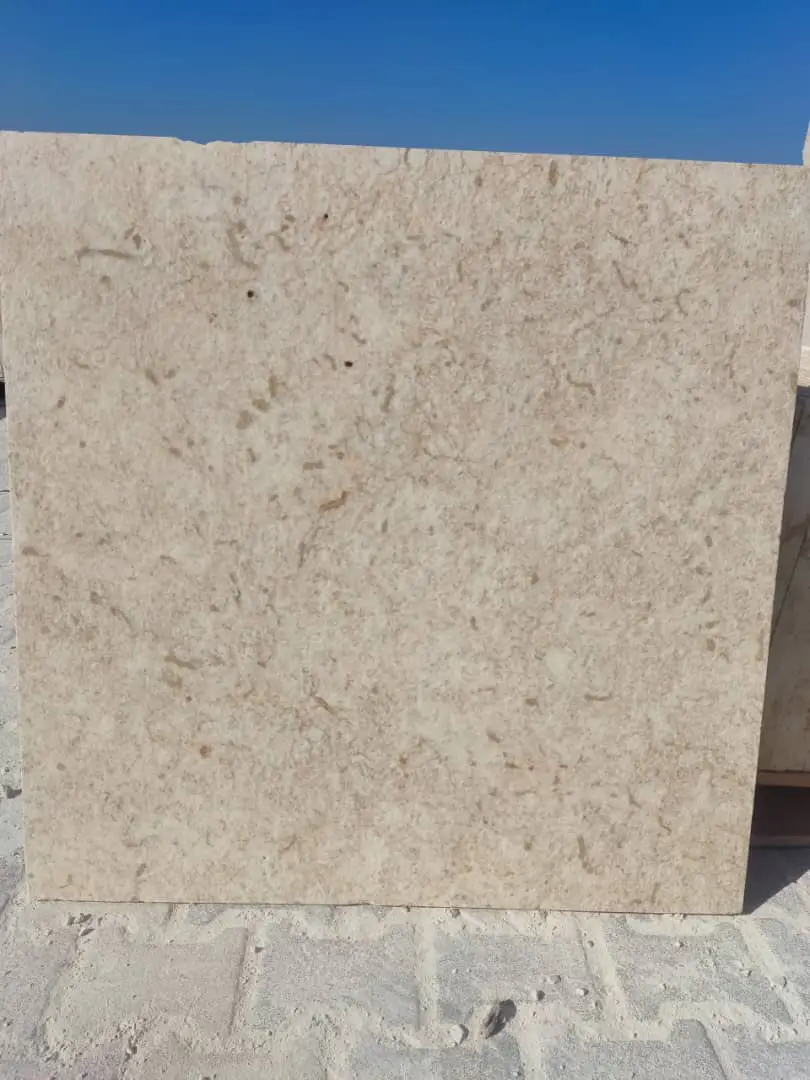
In Phoenix installations, you would specify flagstone that demonstrates survival through 120+ thermal cycles annually with surface temperatures reaching 160°F. Your material selection needs verification for thermal expansion coefficients not exceeding 7.8 × 10⁻⁶ per °F to prevent joint failure in sustained high-heat exposure. You should require testing documentation showing zero delamination after 75 thermal shock cycles between 70°F and 155°F with intermediate moisture exposure. Warehouse stock for Phoenix projects typically includes materials pre-qualified for extreme desert thermal environments.
Tucson Thermal Performance
For Tucson applications, you would account for monsoon season thermal shock events where afternoon thunderstorms drop surface temperatures 50-60°F within minutes. Your flagstone climate testing requirements should verify material performance through rapid cooling cycles that simulate this precipitation-induced thermal stress. You need specifications addressing minimum 8,500 PSI compressive strength combined with 7-9% porosity that allows moisture expansion relief. The slightly higher elevation moderates peak temperatures compared to Phoenix but increases seasonal temperature range variability your material must accommodate.
Scottsdale Luxury Application Standards
When you specify flagstone for Scottsdale’s high-value residential installations, you would require premium thermal performance verification beyond minimum commercial standards. Your specifications should demand 100-cycle thermal shock testing with documentation showing less than 1% surface degradation and zero structural compromise. You need materials with consistent mineral composition verified through petrographic analysis and thermal expansion testing across 20-specimen sample sizes. At Citadel Stone, we recommend specifying materials that meet these enhanced criteria for luxury applications where long-term appearance retention justifies premium material investment.
Flagstaff Freeze-Thaw Requirements
In Flagstaff installations, you would shift focus from high-heat thermal shock to freeze-thaw cycle resistance that dominates northern Arizona performance requirements. Your flagstone heat cycle durability specifications need to address 100+ annual freeze-thaw events requiring materials with absorption coefficients below 3% and verified freeze-thaw survival per ASTM C666. You should specify materials that maintain 90% flexural strength after 300 freeze-thaw cycles, significantly exceeding Phoenix thermal shock requirements. The thermal performance challenge you’re addressing involves moisture expansion during freezing rather than differential thermal expansion from solar heating.
Sedona Aesthetic Thermal Balance
For Sedona projects, you would balance aesthetic requirements with moderate thermal performance specifications reflecting the area’s 4,500-foot elevation and tourist-focused design priorities. Your material selection needs thermal shock testing verification through 60-cycle protocols with temperature ranges from 60°F to 140°F matching local climate extremes. You should specify porosity characteristics between 6-8% that provide adequate thermal stress relief while maintaining dense surface appearance preferred for high-visibility commercial installations. The red rock aesthetic prevalent in Sedona applications influences color selection toward iron-rich flagstone varieties that require specific thermal performance verification.
Yuma Extreme Heat Protocols
In Yuma installations, you would encounter Arizona’s most extreme thermal environment requiring the most stringent flagstone temperature resistance specifications. Your materials need verification through 150-cycle thermal shock testing with peak temperatures reaching 165°F to replicate field conditions where Yuma records the nation’s highest summer temperature averages. You should specify thermal expansion coefficients limited to 7.5 × 10⁻⁶ per °F maximum and require surface finish selections that minimize solar absorption. Truck delivery scheduling for Yuma projects needs consideration of summer temperature constraints that affect handling and installation timing during peak heat months when material surface temperatures become unsafe for direct worker contact.
Quality Verification and Testing Documentation Requirements
When you receive flagstone materials for Arizona installations, you need verification procedures that confirm thermal performance specifications were met. Your quality control protocol should require mill certificates documenting thermal shock testing results, petrographic analysis confirming mineral composition, and physical property testing establishing porosity and absorption characteristics. You can’t rely on generic product literature — each shipment needs traceability to specific quarry blocks and production lots that underwent required testing.
The documentation you should demand includes complete thermal shock testing reports showing cycle-by-cycle observations, photographs of specimen conditions at 25-cycle intervals, and quantitative measurements of dimensional changes throughout testing. You need petrographic analysis results identifying all mineral constituents above 3% concentration with specific notation of expansion-sensitive minerals like clay, mica, and certain feldspar varieties. Physical property testing results must confirm porosity measurements, absorption rates, and density calculations that correlate with thermal performance predictions.
- You should verify that testing occurred within 18 months of material delivery to ensure geological consistency
- Your quality documentation needs to include testing laboratory accreditation verification for ISO 17025 compliance
- You’ll want photographic documentation of test specimens showing pre-test and post-test surface conditions
- Sample retention protocols you establish should preserve witness specimens for minimum 24 months post-installation
Maintenance Impact on Long-Term Thermal Performance
Your flagstone’s thermal shock resistance degrades over time based on maintenance practices and environmental exposure. When you develop maintenance specifications for Arizona installations, you’re establishing protocols that preserve thermal performance characteristics through the material’s service life. The maintenance approach that extends thermal cycle durability involves biennial resealing with breathable penetrating sealers that don’t trap subsurface moisture while maintaining surface protection against staining and weathering.
The sealer selection you specify affects thermal performance because film-forming topical sealers create differential thermal expansion between coating and substrate that accelerates surface delamination. You should specify penetrating silane/siloxane sealers that allow water vapor transmission while providing hydrophobic surface characteristics. These products maintain the flagstone’s natural thermal expansion behavior rather than creating composite material systems with mismatched expansion coefficients that concentrate stress at the coating interface.
Joint maintenance practices you establish directly affect thermal stress distribution across your installation. You need to maintain joint sand at 90-95% capacity to provide lateral support while allowing individual piece movement during thermal cycling. When joints empty below 85% capacity, edge chipping accelerates by 300% because thermal expansion creates point-loading conditions rather than distributed lateral forces. Your maintenance specification should require annual joint inspection and sand replenishment to maintain proper fill levels that preserve thermal performance characteristics.
Emerging Testing Standards and Future Considerations
As you develop specifications for current projects, you should be aware that flagstone thermal shock testing Arizona requirements continue evolving with improved understanding of long-term performance factors. Industry working groups are developing enhanced testing protocols that better replicate field conditions through multi-variable cycling that combines temperature, moisture, and UV exposure in integrated testing sequences. These emerging standards will provide better correlation between laboratory testing and 20-year field performance outcomes.
The future testing protocols you’ll see adopted include accelerated aging procedures that compress 20-year thermal exposure into 180-day testing periods through enhanced cycle frequency and stress magnitude. You should anticipate specification requirements that reference these protocols within 3-5 years as testing laboratories develop capacity and baseline data becomes available. Early adoption of enhanced testing criteria provides competitive advantage for projects where long-term performance documentation justifies premium material selection and installation investment.
Professional Strategy Implementation
Your comprehensive approach to flagstone thermal performance specification requires integrating material testing verification, installation technique selection, and maintenance protocol establishment into cohesive project documents. When you develop specifications that address all three factors, you’re creating defensible professional guidance that protects client investments and limits your liability exposure. The specification strategy that delivers optimal outcomes starts with material qualification through documented thermal testing, continues through installation method selection that accommodates thermal movement, and extends through maintenance requirements that preserve long-term performance characteristics.
The professional development process you should follow involves establishing project-specific thermal performance thresholds based on microclimate analysis, commissioning material testing when existing documentation proves inadequate, and developing installation details that accommodate predicted thermal movement ranges. You need to coordinate specifications across architectural, structural, and landscape disciplines to ensure thermal expansion provisions receive appropriate attention in adjacent system designs. When you establish this comprehensive specification framework, you’re delivering professional services that exceed standard-of-care expectations and demonstrate genuine expertise in challenging Arizona thermal environments.
Your final specification review should verify that all thermal performance requirements include quantifiable acceptance criteria, testing protocol references, and inspection procedures that allow field verification of compliance. For post-installation care guidance, review Professional acid washing techniques for newly installed flagstone surfaces to maintain appearance without compromising thermal performance characteristics. Recycled content available in Citadel Stone’s sustainable manufactured flagstone options.