
When you specify manufactured flagstone pavers dimensions Arizona for commercial or residential hardscape projects, you’re making decisions that affect installation efficiency, long-term performance, and visual consistency. The dimensional accuracy of manufactured flagstone pavers directly impacts labor costs, material waste, and your ability to meet architectural tolerances. You need to understand how manufacturing processes control thickness variation, how surface dimensions affect joint spacing, and what dimensional tolerances you should expect from quality suppliers.
Understanding manufactured flagstone pavers dimensions Arizona means evaluating more than nominal measurements. You’ll encounter variation between stated dimensions and actual field measurements, and these differences determine whether your installation proceeds smoothly or requires constant adjustment. Professional specification requires you to account for thermal expansion coefficients, edge profile consistency, and how dimensional stacking tolerances affect overall project outcomes.
Dimensional Tolerance Standards
Your specification documents should reference industry standards for dimensional accuracy, but you need to understand what these standards actually mean in practice. ASTM C1528 provides guidelines for manufactured paving units, establishing tolerances that balance manufacturing efficiency with installation requirements. When you evaluate manufactured flagstone pavers sizing, you’ll find that premium products maintain tighter tolerances than commodity materials.
Thickness variation represents the most critical dimensional factor you’ll manage. Quality manufactured flagstone pavers maintain thickness tolerance within ±3mm across the unit surface, while lower-grade products may vary by ±6mm or more. This difference becomes significant when you’re installing over pedestal systems or attempting to achieve consistent joint heights across large installations. You should verify actual thickness variation on sample units before committing to full project quantities.
- You need to specify maximum thickness variation of ±3mm for pedestrian applications
- Your vehicular applications require tighter tolerances of ±2mm to prevent edge spalling
- Length and width tolerances typically range from ±2mm to ±4mm depending on manufacturing method
- Edge straightness affects joint spacing consistency and should not exceed 1.5mm deviation per linear meter
Manufacturing processes directly influence dimensional consistency. Wet-cast production methods achieve tighter tolerances than dry-cast systems because concrete consolidation occurs under controlled vibration and pressure. When you source manufactured flagstone pavers measurements from wet-cast facilities, you’ll see thickness variation reduced by 30-40% compared to dry-cast alternatives. This precision translates to faster installation and reduced material waste during field cutting.
Thickness Specifications
Thickness selection determines structural performance, but you need to match thickness to substrate conditions and load requirements. Standard manufactured flagstone pavers specifications offer thickness options ranging from 20mm for residential pedestrian areas to 60mm for vehicular applications. Your selection should account for span distances between supports, anticipated load concentrations, and long-term deflection characteristics.
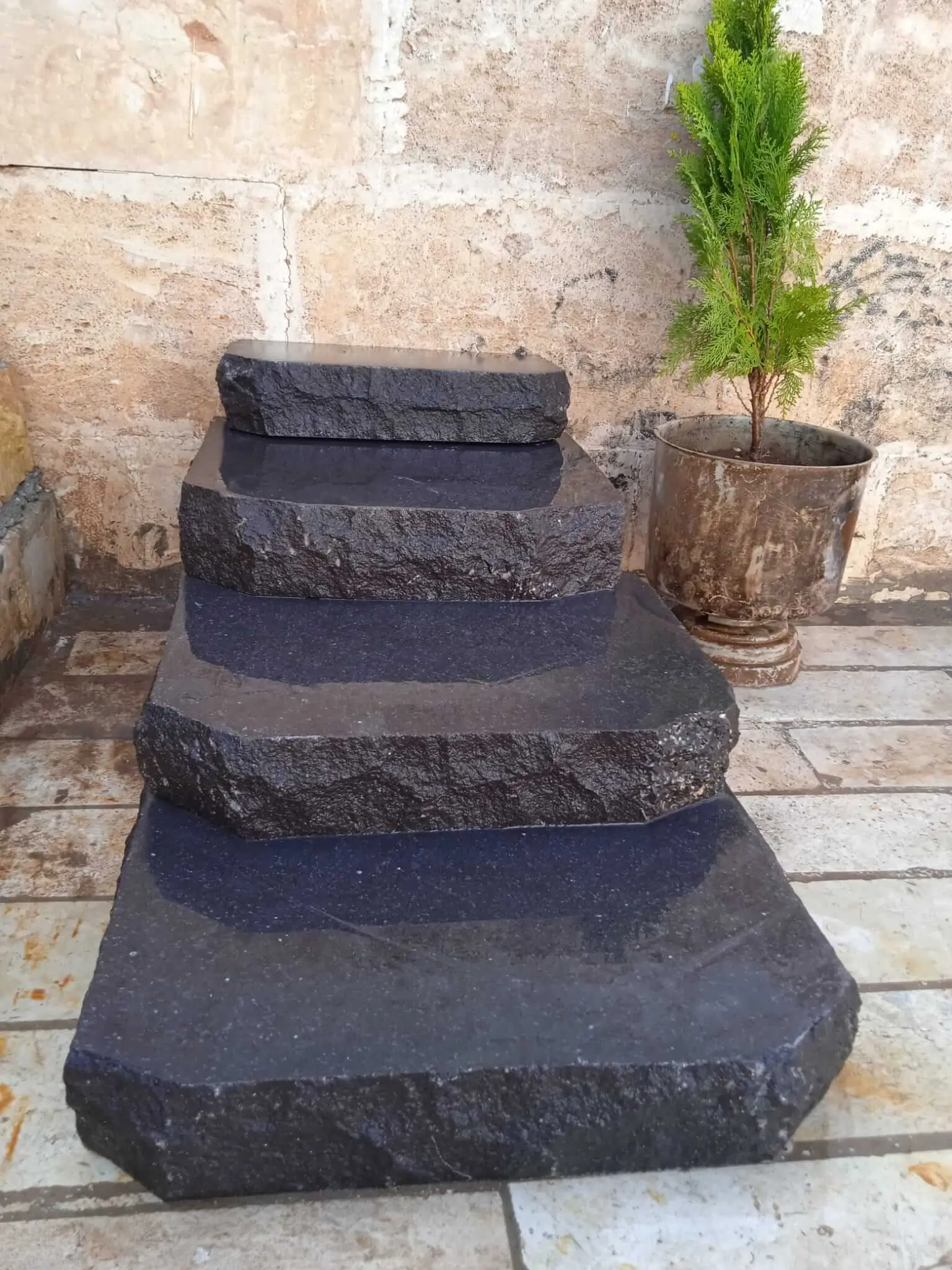
The relationship between thickness and flexural strength isn’t linear. When you increase thickness from 30mm to 40mm, you don’t simply add 33% more strength—you typically gain 55-65% additional load-bearing capacity due to improved moment resistance. This becomes critical in applications where you’re spanning across pedestal supports or bridging over utility access points. Professional specifications account for this non-linear relationship when determining minimum thickness requirements.
You’ll find that thermal mass increases proportionally with thickness, affecting surface temperature characteristics in Arizona’s extreme heat. A 40mm unit stores approximately 33% more thermal energy than a 30mm unit, creating longer heat retention periods after sunset. When you specify thicker units for pool decks or high-traffic pedestrian areas, you need to inform clients about extended cooling periods. Some installations benefit from reduced thickness to minimize thermal mass effects, particularly in areas with limited shade protection.
- Residential pedestrian applications perform well with 30mm thickness when properly supported
- Commercial pedestrian zones require 40mm minimum to handle concentrated foot traffic
- Light vehicular access demands 50mm thickness with appropriate base preparation
- Heavy vehicular loads necessitate 60mm units with engineered base systems
Surface Dimension Control
Surface dimensions determine layout efficiency and visual rhythm across your installation. Standard modular sizes for manufactured flagstone pavers dimensions Arizona include 300x300mm, 400x400mm, 600x300mm, and 600x600mm formats. You should select dimensions that minimize field cutting while creating visual interest through varied module combinations. Larger format units reduce joint quantity, which decreases long-term maintenance requirements for joint sand replenishment.
When you work with modular sizing systems, you’re balancing installation efficiency against thermal expansion requirements. Larger units cover area faster, reducing labor costs by 15-20% compared to smaller modules. However, these same large formats require more frequent expansion joints to accommodate thermal movement. You’ll need to establish expansion joints every 12-15 feet in Arizona installations, adjusting spacing based on unit size and color intensity. Darker colors expand more aggressively, requiring 10-15% tighter joint spacing than lighter tones.
Rectified edges improve dimensional consistency by mechanically cutting units to precise measurements after curing. When you specify rectified manufactured flagstone pavers uniformity, you achieve joint spacing consistency within ±1mm across entire installations. This precision enables narrow joint applications down to 3mm width, creating contemporary aesthetics that standard tumbled edges cannot achieve. The trade-off involves 12-18% higher material cost and sharper edges that may require chamfering for barefoot traffic areas.
Edge Profile Variations
Edge profiles affect both dimensional accuracy and installation methodology. You’ll choose between rectified, tumbled, and naturally irregular edge treatments based on desired aesthetics and joint width requirements. Rectified edges maintain consistent 90-degree corners with minimal variation, while tumbled edges introduce 2-4mm radius curves that soften appearance but increase dimensional variability. Your specification should match edge profile to joint spacing tolerance and overall design intent.
Tumbled edge processing reduces dimensional consistency by removing 1-3mm of material through mechanical abrasion. When you specify tumbled manufactured flagstone pavers specifications, you should increase joint spacing to 6-10mm to accommodate edge irregularity. This wider joint spacing provides installation flexibility but requires 25-30% more joint sand volume and increases long-term sand migration rates. Professional installations using tumbled edges typically experience joint sand replenishment requirements every 18-24 months compared to 36-48 months for rectified narrow joints.
- Rectified edges enable 3-5mm joint spacing with consistent visual lines
- Tumbled edges require 6-10mm joints to accommodate irregular profiles
- Natural cleft edges demand 10-15mm joints due to maximum dimensional variation
- Chamfered edges reduce trip hazards but add 0.5-1mm to dimensional tolerance stack
Edge straightness tolerance affects pattern complexity you can achieve. When you attempt running bond or herringbone patterns with units exceeding 2mm edge deviation per meter, you’ll see pattern drift that becomes visually apparent across 3-4 meter spans. For premium architectural installations requiring Citadel Stone flagstone distribution yard in Sedona pattern precision, you should specify maximum 1mm edge straightness tolerance and verify compliance through sample testing before production commitment.
Manufacturing Process Impacts
Manufacturing methodology determines achievable dimensional consistency before you even receive materials. Wet-cast processes compress concrete under high pressure, creating dense matrices with uniform thickness distribution. You’ll see thickness variation reduced to ±2mm in premium wet-cast products, compared to ±5mm or more in standard dry-cast alternatives. This difference affects installation labor costs significantly—tighter tolerances reduce shimming requirements and accelerate installation pace by 20-25%.
Curing conditions influence final dimensional stability. When manufactured flagstone pavers cure under controlled temperature and humidity, you minimize shrinkage variation between production batches. Uncontrolled curing environments create dimensional drift across production runs, meaning units from different batches may vary by 2-3mm even when produced from identical molds. You should require manufacturers to provide dimensional verification reports for each production batch, particularly on projects requiring multiple deliveries across extended timelines.
Mold design and maintenance directly impact surface dimension accuracy. New molds produce units within ±1mm of target dimensions, while worn molds introduce progressive dimensional drift. You’ll find that manufacturers rotating molds through regular maintenance cycles maintain better consistency than operations running molds to failure. When you verify warehouse stock for large projects, you should inquire about mold age and replacement schedules to ensure dimensional consistency across your full material quantity.
Thermal Expansion Factors
Thermal expansion affects effective dimensions throughout daily and seasonal temperature cycles. Manufactured flagstone pavers dimensions Arizona expand and contract based on ambient and surface temperatures, with coefficients typically ranging from 5.1 to 5.8 × 10⁻⁶ per °F. In Phoenix summer conditions where surface temperatures reach 165°F, a 600mm unit expands approximately 0.6mm compared to its 75°F installation dimension. Across a 20-foot span, this cumulative expansion totals 20mm—enough to buckle pavers if expansion joints aren’t properly incorporated.
Color intensity amplifies thermal expansion effects. When you specify dark charcoal or black manufactured flagstone pavers, surface temperatures exceed light-colored alternatives by 25-35°F under identical solar exposure. This temperature differential translates to 15-20% greater expansion, requiring adjusted expansion joint spacing. Your darker installations need expansion joints every 10-12 feet, while lighter colors perform adequately with 15-foot spacing. Ignoring this color-based adjustment creates serviceability failures within the first 18 months of installation.
- You should establish expansion joints every 12-15 feet for standard color ranges
- Your dark-colored installations require joints every 10-12 feet maximum
- Light-colored materials tolerate 15-18 foot spacing in most applications
- Restrained edges and perimeter conditions need expansion accommodation regardless of spacing
Quality Control Verification
You can’t assume dimensional compliance without verification testing. Professional specification requires you to establish acceptance criteria and testing protocols before production begins. Random sampling of 1% of total units, with minimum 10-unit sample sizes, provides statistical confidence in dimensional consistency. You should measure thickness at five points per unit, length and width at three points each, and edge straightness along full perimeters.
Dimensional measurement methodology affects reported results. When you measure thickness with digital calipers at unit centers only, you miss edge thickness variation that affects installation performance. Proper testing protocol requires measurements at 50mm from each corner plus unit center, recording maximum variation across all five points. This comprehensive approach reveals thickness consistency that single-point measurements cannot detect. You’ll find that materials passing single-point testing may fail multi-point protocols by revealing 40-50% greater variation.
Batch-to-batch consistency matters as much as within-batch tolerance. When your project requires materials delivered across multiple months, you should require manufacturers to hold production from consistent mold sets and maintain dimensional verification across all batches. Warehouse inventory from mixed production runs introduces dimensional variation that complicates installation even when individual batches meet specifications. You can avoid these issues by specifying production lot consistency in your procurement documents and verifying batch identity during delivery acceptance.
Installation Tolerance Stacking
Final installation accuracy results from stacked tolerances across multiple system components. When you combine paver dimensional tolerance (±3mm), setting bed thickness variation (±4mm), and base surface flatness (±6mm over 3 meters), your total system tolerance reaches ±13mm. This stacking effect means you cannot achieve ±3mm finished surface tolerance even with premium materials if other system components introduce greater variation. Professional specifications establish total system tolerance budgets that account for all contributing factors.
Base preparation quality determines whether you can achieve paver dimensional potential. When your base surface varies by ±8mm over 3-meter spans, you’ll spend installation labor shimming and adjusting rather than setting units to consistent elevations. This base irregularity negates the benefit of premium pavers with ±2mm thickness tolerance. You should establish base flatness requirements of ±4mm over 3 meters for pedestrian applications and ±3mm for vehicular installations, verifying compliance before paver installation begins.
- Base surface flatness contributes 40-50% of total elevation tolerance in typical installations
- Setting bed thickness consistency accounts for 25-35% of final variation
- Paver dimensional tolerance represents only 15-25% of total system accuracy
- Installation workmanship determines whether potential accuracy becomes actual performance
Field Cutting Considerations
Field cutting requirements increase when dimensional consistency decreases. You’ll find that materials with ±5mm variation require 30-40% more field cutting than products maintaining ±2mm tolerance. This additional cutting extends installation timelines, increases equipment wear, and generates more waste material requiring disposal. When you calculate project costs, dimensional consistency directly affects labor efficiency and waste hauling expenses beyond initial material pricing.
Cut edge quality depends on original unit density and dimensional uniformity. When you cut manufactured flagstone pavers with consistent thickness, saw blades track straight with minimal deflection. Variable thickness units cause blade wandering, producing irregular cut edges that require additional grinding or acceptance of reduced aesthetic quality. You should verify that specified dimensional tolerances enable clean cutting before finalizing material selection for projects requiring significant field fabrication.
Cutting dimensional accuracy deteriorates as installers work with progressively worn equipment. Fresh diamond blades produce cuts within ±1mm of layout marks, while worn blades introduce 2-3mm deviation. Your projects requiring precise fit should include blade replacement intervals in installation specifications, ensuring cutting accuracy maintains design intent throughout installation duration. This consideration becomes critical in pattern work where cumulative cutting errors create visible alignment issues across large areas.
Modular Coordination Systems
Modular dimensional systems enable pattern flexibility while maintaining material efficiency. When you select manufactured flagstone pavers dimensions Arizona from coordinated module families, you reduce cutting waste and accelerate installation. A 600x600mm base module coordinates with 600x300mm, 300x300mm, and 300x150mm units, allowing pattern development without custom cutting. You should verify that your selected sizes coordinate mathematically before committing to pattern designs that require extensive field modification.
Pattern complexity interacts with dimensional tolerance to determine achievable accuracy. Simple running bond patterns tolerate ±4mm dimensional variation without visible alignment issues. Complex patterns incorporating multiple unit sizes and orientation changes reveal dimensional inconsistency more readily, requiring ±2mm or tighter tolerance for acceptable results. When you design intricate patterns, you need to match dimensional specification to pattern sensitivity, ensuring material capability aligns with design expectations.
Joint spacing absorbs some dimensional variation, but only within limits. When you increase joint width from 5mm to 8mm, you accommodate an additional 3mm of dimensional inconsistency across each joint. However, this wider joint spacing changes visual character and increases sand volume requirements by 60%. You should determine joint width based on aesthetic intent first, then select materials with dimensional consistency appropriate to that joint width rather than using joints primarily to hide dimensional variation.
Citadel Stone Manufactured Flagstone Pavers Arizona Dimensional Specifications
When you consider manufactured flagstone pavers dimensions Arizona from Citadel Stone for your projects, you’re evaluating materials engineered for consistent dimensional performance in extreme Southwestern conditions. At Citadel Stone, we provide technical guidance for dimensional specification across Arizona’s diverse climate zones, from high-elevation freeze-thaw regions to low-desert extreme heat environments. This section outlines how you would approach dimensional considerations for six representative cities, helping you understand how local conditions affect dimensional requirements and material selection.
Phoenix Requirements
In Phoenix installations, you would specify manufactured flagstone pavers uniformity with thermal expansion as the primary dimensional consideration. Surface temperatures reaching 165°F during summer months create expansion cycles of 0.8-1.2mm per 600mm unit. Your specifications would require expansion joints every 12 feet for standard colors, reducing to 10-foot spacing for darker tones that absorb more solar radiation. You would need to account for the urban heat island effect in downtown areas, where reflected heat from surrounding structures amplifies thermal expansion by 15-20% compared to suburban installations. Typical residential projects would utilize 30mm thickness in 400x400mm and 600x300mm modular formats, while commercial applications require 40mm thickness to handle concentrated foot traffic around retail and hospitality venues.
Tucson Specifications
You would approach Tucson projects with similar heat considerations to Phoenix but account for slightly higher elevation and increased monsoon precipitation intensity. Your dimensional specifications would emphasize drainage capacity, requiring surface texture depth of 0.8-1.2mm to channel water while maintaining slip resistance. The manufactured flagstone pavers sizing you specify should coordinate with drainage slopes of 2% minimum, using larger 600x600mm formats in primary walkways and 400x400mm modules in transition areas. You would establish thickness tolerance of ±2.5mm to ensure consistent drainage performance across unit surfaces. Tucson’s caliche soil conditions affect base stability, requiring you to verify that dimensional specifications account for potential differential settlement of 3-4mm over initial 24 months.
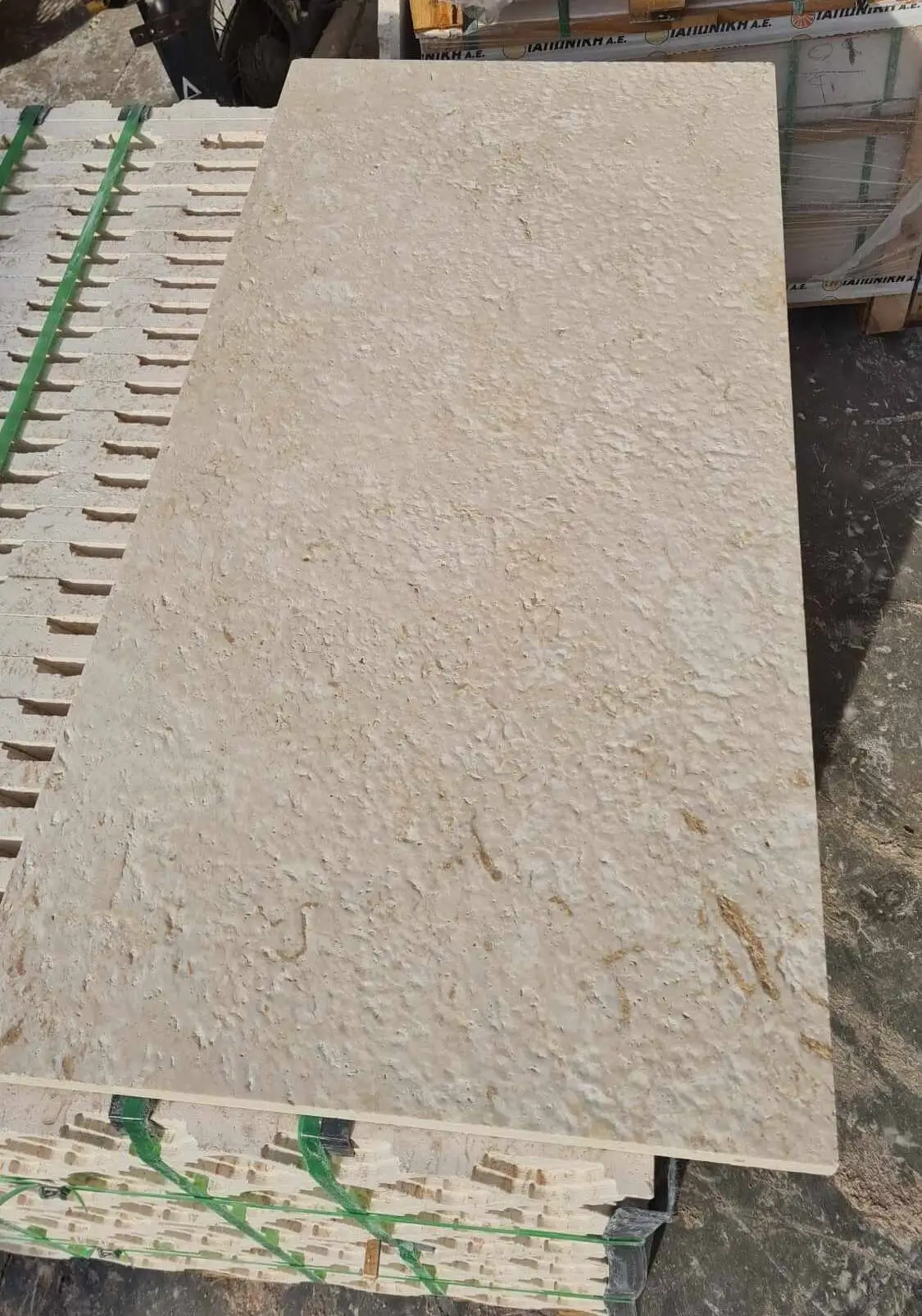
Scottsdale Premium Applications
Scottsdale’s high-end residential and resort projects would demand tighter dimensional tolerances than standard commercial work. You would specify manufactured flagstone pavers measurements of ±2mm thickness variation and ±1mm edge straightness for luxury applications requiring rectified edges with 3-5mm joint spacing. Premium Scottsdale installations often incorporate intricate geometric patterns demanding dimensional consistency that enables pattern accuracy across 20-30 meter spans without visible drift. Your specifications would require verification testing of 15-20 sample units before production commitment, with dimensional documentation for each delivery batch. Pool deck applications common in Scottsdale’s resort-oriented market would necessitate chamfered edges adding 0.5mm to dimensional tolerance while improving barefoot safety.
Flagstaff Freeze-Thaw Factors
In Flagstaff’s high-elevation environment, you would prioritize dimensional stability through freeze-thaw cycling over thermal expansion concerns. The manufactured flagstone pavers specifications you develop should address thickness consistency of ±2mm to ensure uniform freeze-thaw performance across unit volumes. You would specify increased thickness of 40-50mm even for pedestrian applications, providing thermal mass that moderates freeze-thaw cycle intensity. Your dimensional requirements would emphasize closed-cell pore structure that maintains dimensional stability despite moisture absorption and freezing. Flagstaff projects would require edge profile consistency within ±1.5mm to prevent spalling at unit corners where freeze-thaw stress concentrates. You would verify that dimensional tolerances remain stable after 100+ freeze-thaw cycles in laboratory testing before approving materials.
Sedona Color Coordination
Sedona installations would focus on color-coordinated dimensional selections that complement the region’s distinctive red rock landscape. You would specify manufactured flagstone pavers dimensions Arizona in earth-tone palettes requiring dimensional consistency that maintains pattern integrity across color transitions. Your specifications would account for thermal expansion variation between lighter and darker color ranges, adjusting expansion joint spacing by 15-20% between beige and terracotta tones. Sedona’s tourism-oriented developments demand high aesthetic standards, requiring you to specify rectified edges and ±2mm dimensional tolerance even in pedestrian-only applications. The region’s moderate elevation and mixed sun exposure would enable you to utilize standard 12-15 foot expansion joint spacing with adjustments for specific site microclimates and landscape shading patterns.
Yuma Extreme Heat
Yuma’s extreme desert heat environment would require you to specify the most aggressive thermal expansion accommodation in Arizona. Surface temperatures in Yuma regularly exceed those in Phoenix by 5-8°F, creating expansion coefficients you must address through 10-foot maximum expansion joint spacing regardless of color selection. Your dimensional specifications would emphasize light color ranges that minimize solar heat absorption, reducing surface temperatures by 20-25°F compared to dark alternatives. The manufactured flagstone pavers uniformity you specify should maintain ±2mm thickness consistency to prevent differential expansion between adjacent units that creates surface irregularity over time. Yuma’s agricultural economy means some installations occur in areas with high soil salinity, requiring you to verify that dimensional stability persists despite salt exposure during irrigation and seasonal flooding events.
Procurement Verification
Effective procurement requires you to establish dimensional verification protocols before accepting deliveries. Your receiving procedures should include random sampling of 2% of delivered units with measurement of thickness, length, width, and edge straightness. You need to document measurements for each delivery, creating records that demonstrate compliance with specified tolerances. When measured dimensions exceed specified tolerances, you should reject the delivery or negotiate pricing adjustments reflecting reduced material quality and increased installation labor requirements.
Supplier capability varies significantly across the manufactured stone industry. You should prequalify suppliers based on dimensional consistency demonstrated through historical performance data and production facility inspection. Manufacturing operations maintaining documented quality control programs with statistical process control achieve 40-50% better dimensional consistency than facilities relying on periodic spot-checking. Your prequalification process should evaluate production equipment sophistication, quality control staffing levels, and calibration procedures for dimensional measurement tools.
Long-term supplier relationships enable better dimensional consistency across multiple projects. When you work with the same supplier repeatedly, you develop understanding of their typical tolerance patterns and can adjust specifications to match demonstrated capability. This relationship approach reduces procurement risk and enables suppliers to maintain inventory of your preferred dimensional specifications, improving delivery reliability and reducing lead times. You should consider supplier consistency when evaluating total project cost rather than focusing exclusively on unit pricing.
Long-Term Dimensional Performance
Initial dimensional accuracy doesn’t guarantee long-term performance. You need to consider how dimensions change over time due to wear, weathering, and substrate movement. Surface wear in high-traffic areas reduces thickness by 0.5-1.5mm over 10-15 year service lives, affecting joint height relationships and creating trip hazards if wear occurs unevenly. Your specification should account for this wear pattern through material selection that balances initial dimensional precision with long-term wear resistance.
Substrate settlement affects effective dimensional relationships more than material dimensional change. When base materials settle differentially by 6-8mm across large installations, original paver dimensional consistency becomes irrelevant as units shift to follow substrate movement. You should design base systems that minimize settlement potential through proper compaction, adequate thickness, and appropriate material selection. Base system investment typically exceeds paver cost but determines whether dimensional accuracy persists throughout service life.
Maintenance practices influence dimensional relationship preservation. When you establish maintenance programs that maintain consistent joint sand levels and address settlement promptly, you preserve dimensional relationships for 25-30 years. Neglected installations experience progressive dimensional deterioration as joints empty, edges spall, and individual units settle independently. Your project documentation should include maintenance requirements that protect dimensional investment through regular inspection and prompt repair of minor issues before they cascade into major dimensional failures.
Specification Integration
Your final specification documents should integrate dimensional requirements with all other performance factors, creating comprehensive material standards that address project-specific conditions. Dimensional tolerances should reference applicable ASTM standards while tightening requirements where project conditions demand greater precision. You need to establish clear acceptance criteria that enable field verification during material receiving and installation progress inspections.
Specification language should address dimensional requirements at multiple scales—individual unit tolerances, batch-to-batch consistency, and total system accuracy including base preparation and installation workmanship. When you establish this comprehensive approach, you create accountability across all project participants rather than focusing exclusively on material supplier compliance. Your specifications should require dimensional verification documentation at each project phase, from material manufacturing through final installation acceptance.
The relationship between dimensional specification and project cost requires careful evaluation. Tighter tolerances increase material costs by 15-30% but reduce installation labor by 20-35% while improving long-term performance. You should analyze total lifecycle costs rather than initial material pricing when establishing dimensional requirements. For additional technical resources, review Quality control procedures in Arizona manufactured flagstone facilities before finalizing dimensional specifications for your critical projects. Base materials coordinate through Citadel Stone’s systematic flagstone paving and building supplies in Arizona.